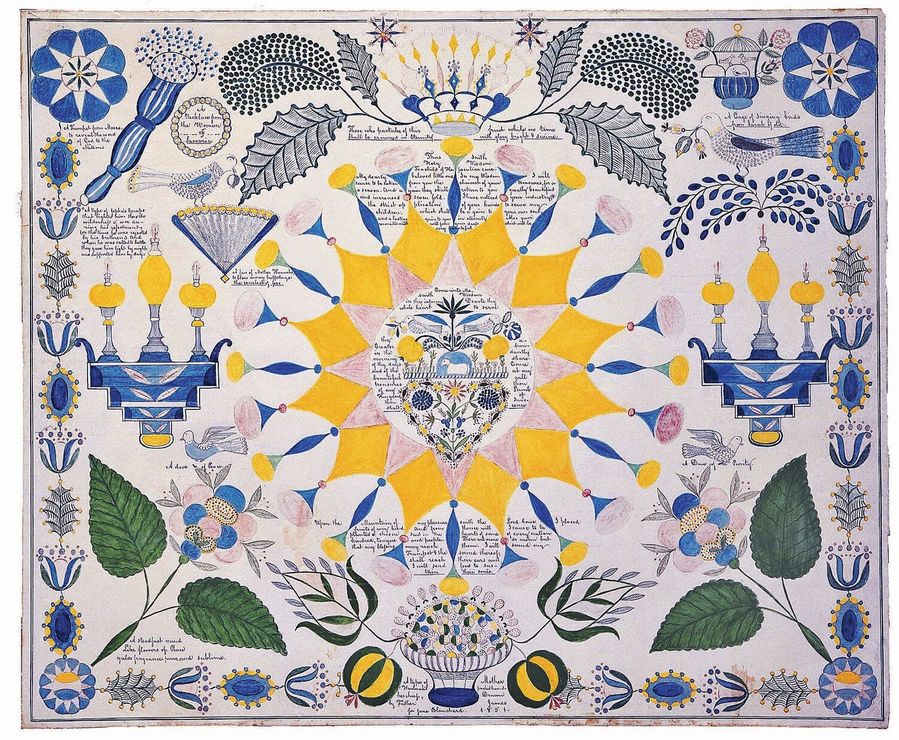
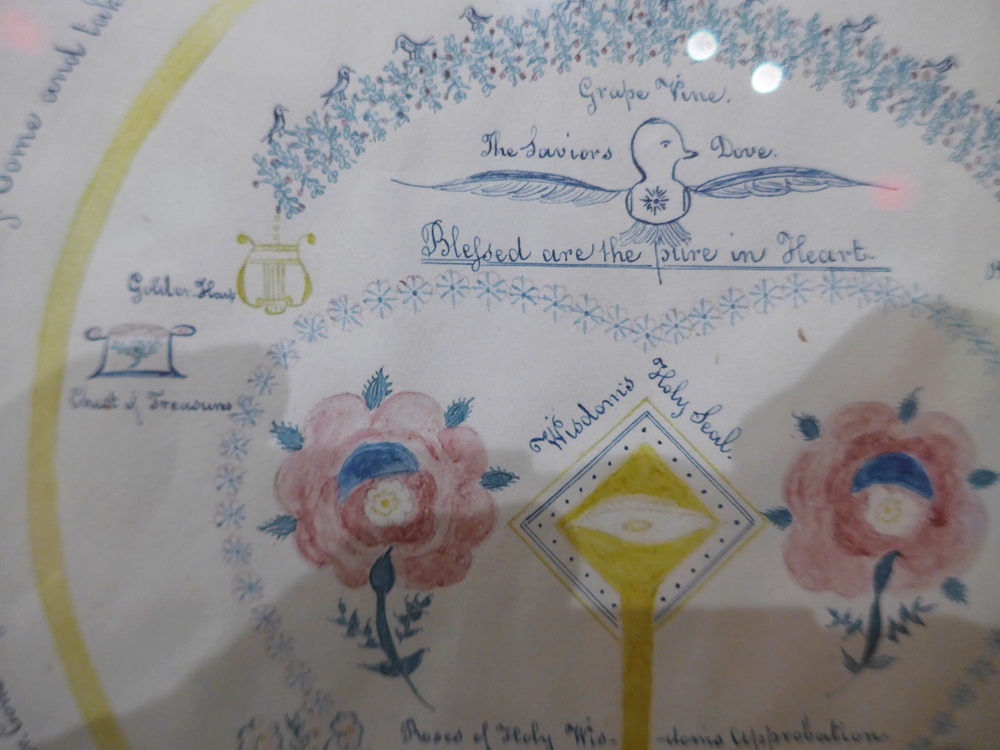
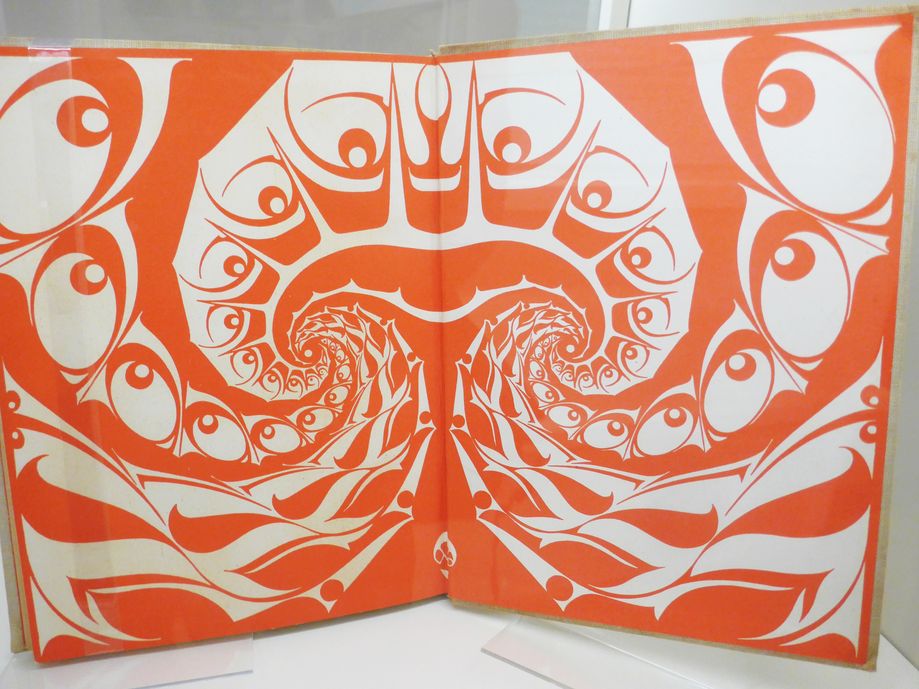
Shaker “gift” drawings such as these from the 1840s and 50s are the only objects where Shakers used ornament or decoration. Only around 200 are known to exist and 25 of them are at Hancock Shaker Village in Massachusetts where I saw these. Today they’re called ‘gift drawings’ only because they’re referred to as gifts the few times they’re mentioned in journals, where ‘gift’ meant a spiritual message received supernaturally from deceased Believers. Otherwise we don’t know what the Shakers called them and in fact no record exists of the Shakers referring to them as drawings at all, or as art.
Eclipse
Photos of the uncanny light and color in the landscape during the solar eclipse which are almost as exciting as the eclipse itself. I can’t find other photos like these anywhere online! (sun photos are at the bottom). Colors become dull, washed-out, greyish or reddish. At times everything looks flat and two-dimensional. Sometimes it looks like an old faded photograph or that thing on flat screen TVs nowadays where they make everything you watch look like a cheap badly-lit 80s daytime soap opera (it’s called “Motion Smoothing” but most people call it “soap-opera effect” and everyone hates it; most TVs have a hard-to-find setting that lets you switch it off ). It would take a very expensive camera and lots of experience to really capture the colors it but you can get the idea here.
I forgot to take pictures of the scene without the eclipse! Except for this one after the eclipse was finished which you’ll see is the only one that has completely normal picture-postcard green grass and blue sky.
Fascinating history of a Pacific Islander who traveled to Alaska in 1815 with a German poet/botanist
This is just to let you know there’s a whole long interesting story about these people on my other blog which is on the environment (this one’s for pictures, art and travel). The short version is that 1815 a German Romantic poet and scientist (left) was on an around-the-world expedition and befriended a Pacific Islander (right) who joined the voyage to Alaska. Their many discoveries included the life-cycle of strange jelly-like sea creatures who live in chains (middle), which was strongly disuputed but later found to be correct. The poet-scientist’s book about the journey anticipated antiracism in its respectful and thoughtful accounts of people in the Americas and Pacific and today he’s a semi-big deal in Alaska and Hawaii, where he appears on this mural which was in a bank until recently. The article is here.
Does the world really need more pictures of Paris?
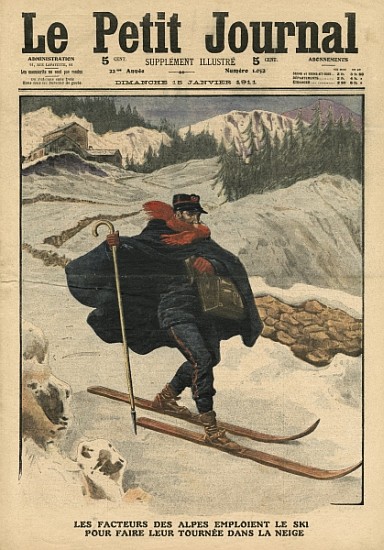
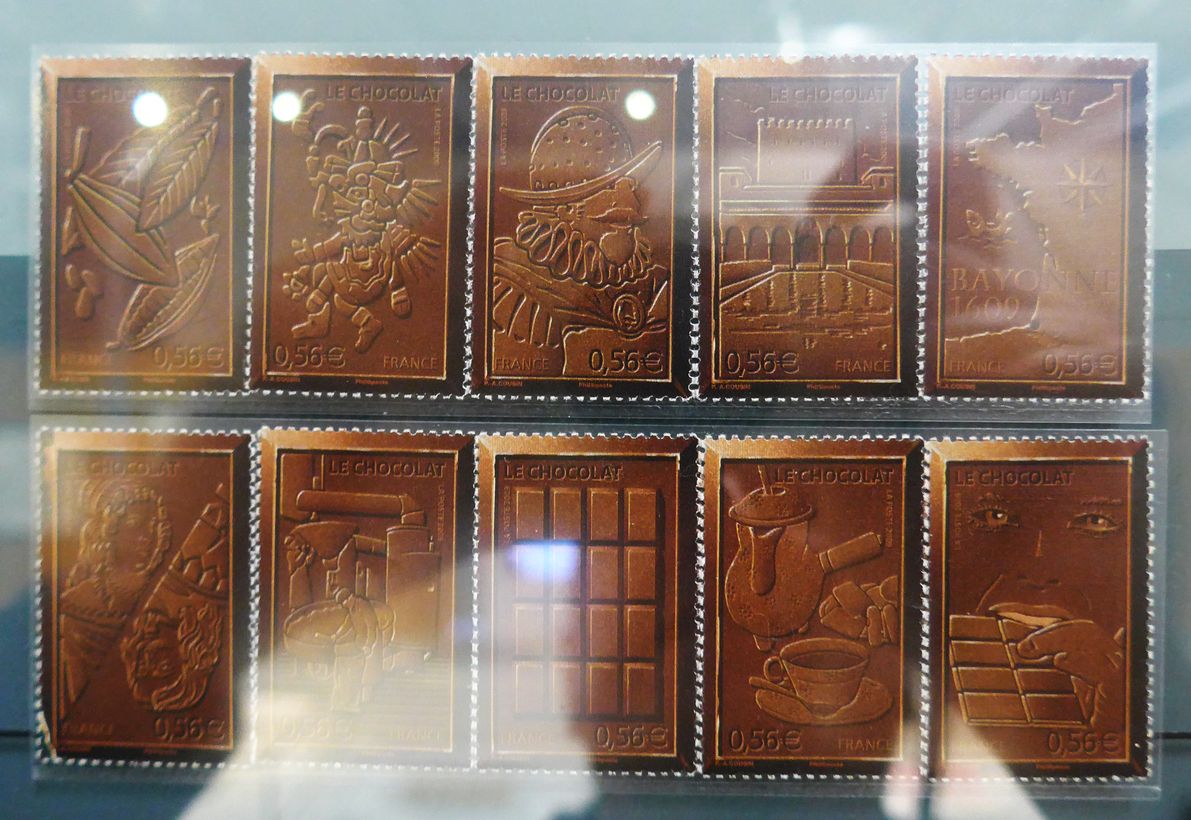
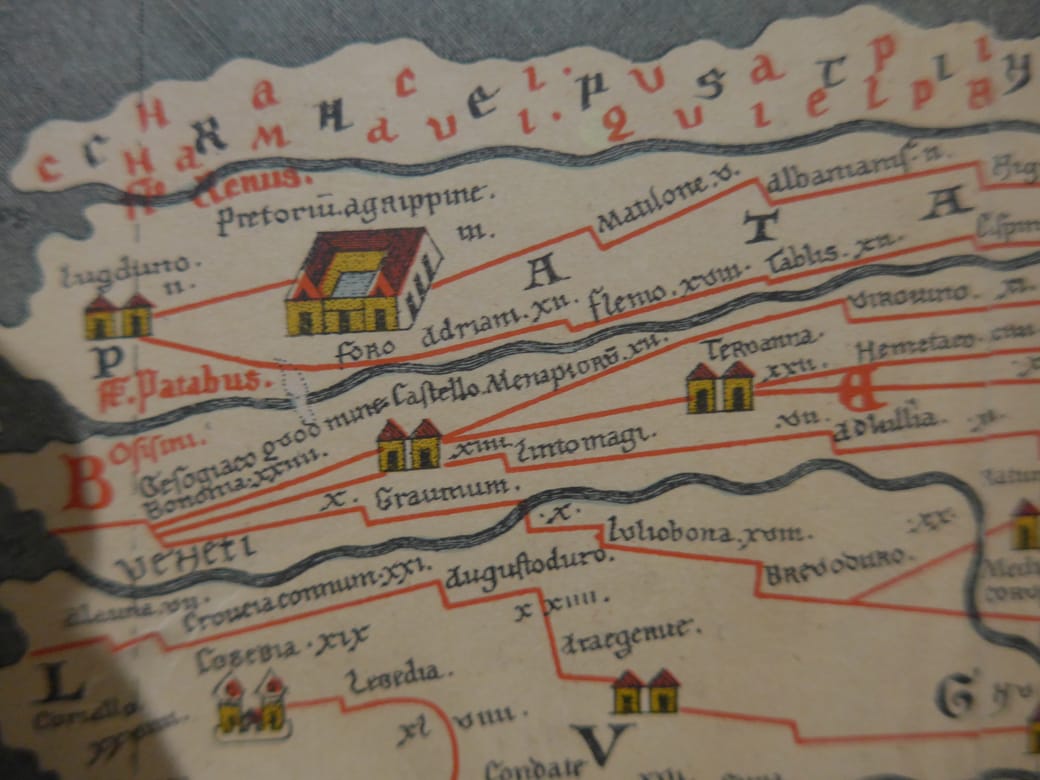
Yes of course when it’s things you don’t see every day such as the French counterpart of Target, chocolate-scented postage stamps and mail being delivered on stilts! As usual I’m posting pictures of things I’m pretty sure you’re not going see to anywhere else, with one or two exceptions.
I know, the Postal Museum sounds less interesting than watching paint dry –
but trust me it’s riveting and absolutely worth a visit.
Continue reading “Does the world really need more pictures of Paris?”
Whatever happened to the people who did that Eloise book?
“I’m so used to people not knowing about anything but Eloise. That sort of disappoints me.” – Hilary Knight, illustrator of Eloise
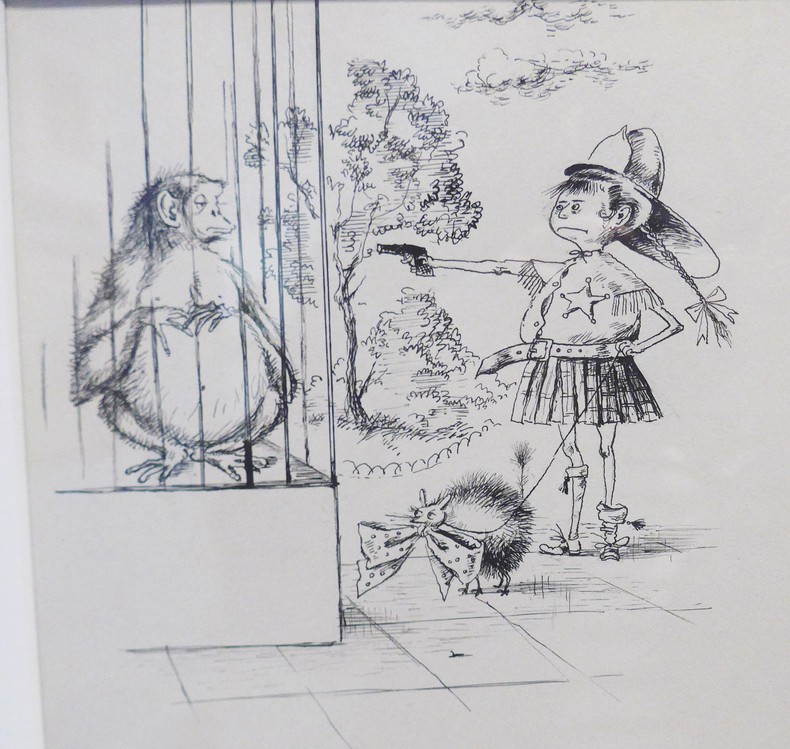
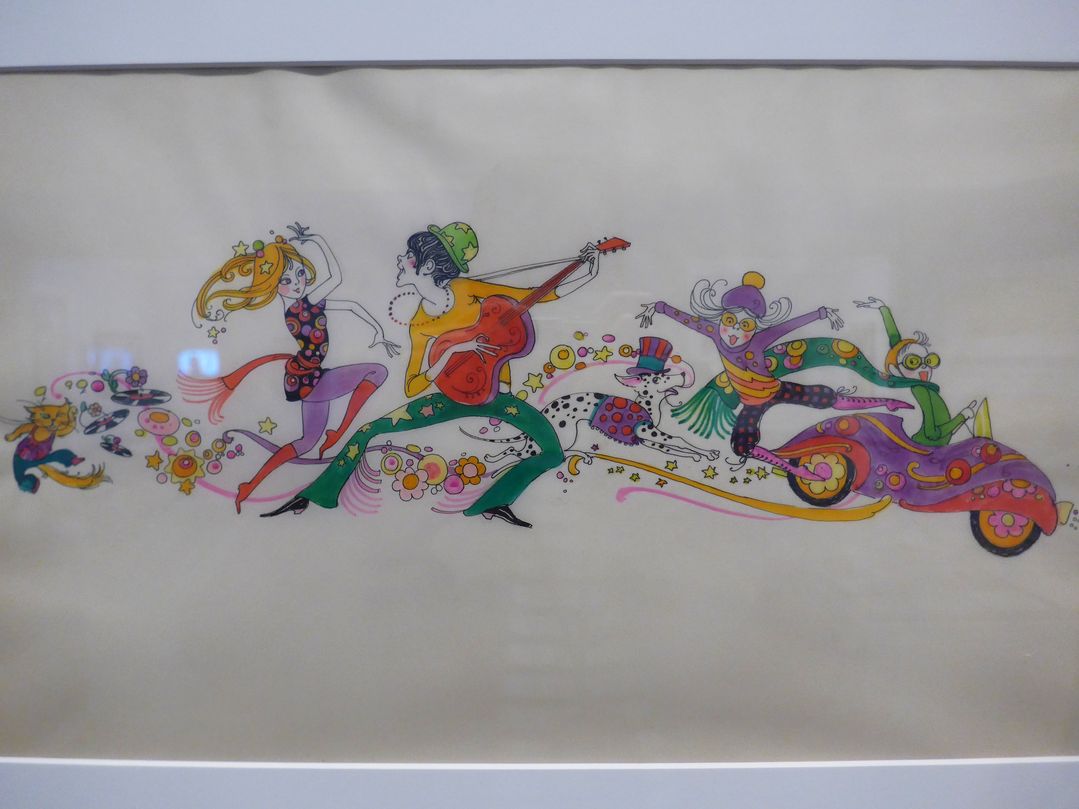
Here’s my collection of seldom-seen illustrations by Hilary Knight, who drew the pictures for the Eloise books and turns out to have had a long career as a brilliant and witty illustrator for magazines, books and posters, along with pictures from the fascinating history and background of Eloise, also seldom seen. Much of his work shares the droll, quirky charm of the Eloise books, making Knight one of our most inspired illustrators.
Some of what’s here I saw at an exhibition at the Normal Rockwell Museum in Massachusetts and had only been published once, ephemerally, such as in long-vanished magazine articles of the 1950s, before completely disappearing from view; others are never-published drafts and other rarities from the exhibition. Still others I dug up myself in online libraries and auction catalogues. Altogether, most of it has never been gathered all in one place.
Also I’ve pulled together the first-ever collection of all the material from the first Eloise book which was published in 1955 but underwent revisions in the 1980s, when it was decided that certain parts that were acceptable for children in the 1950s were now too racy, such as toilets, cannabis and poking fun at Peter Rabbit. As fas as I know the changes have only been mentioned once or twice in print and never all together in one place .
Continue reading “Whatever happened to the people who did that Eloise book?”
The strangely beautiful and sometimes droll currency of Germany’s deepest economic chaos
Warning: contains banknote showing donkey pooping money
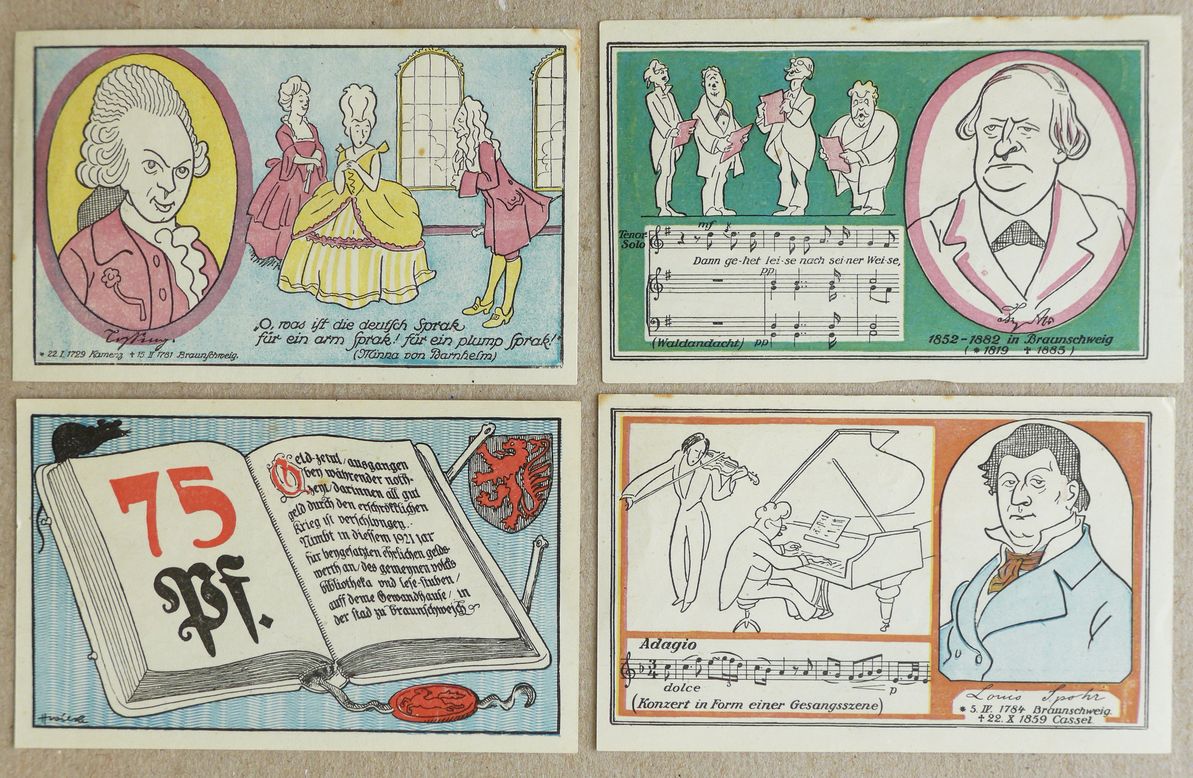
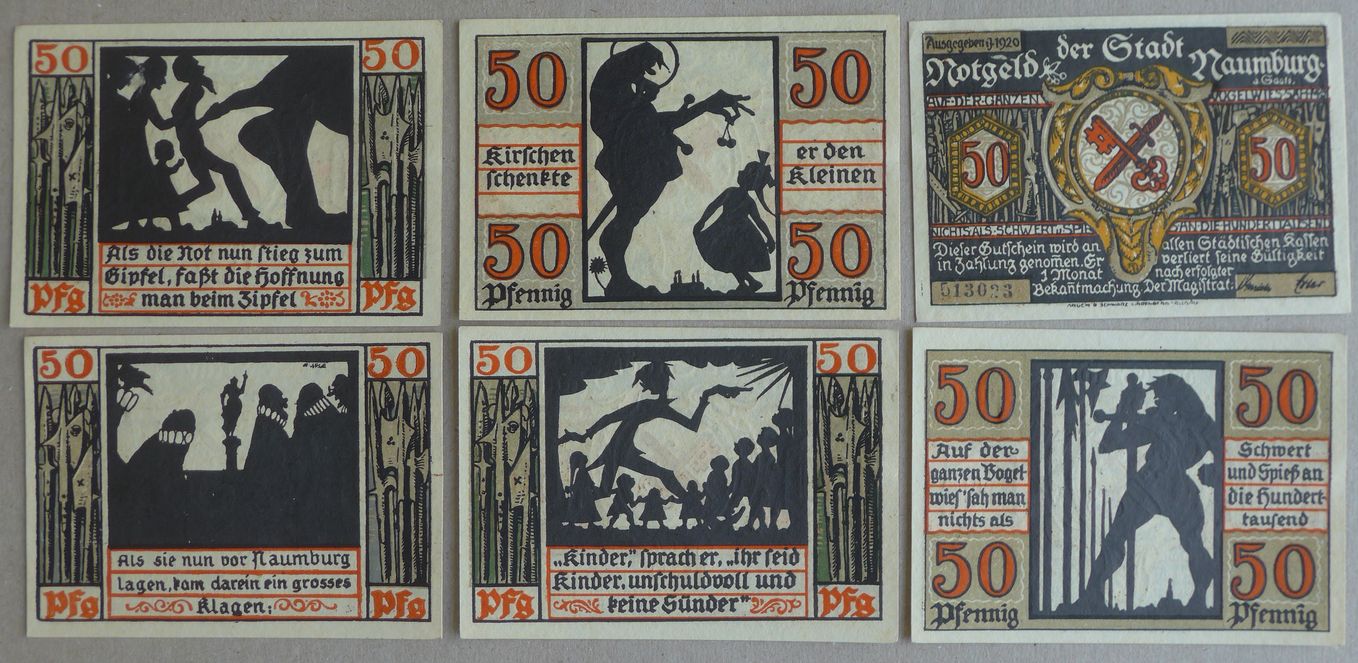
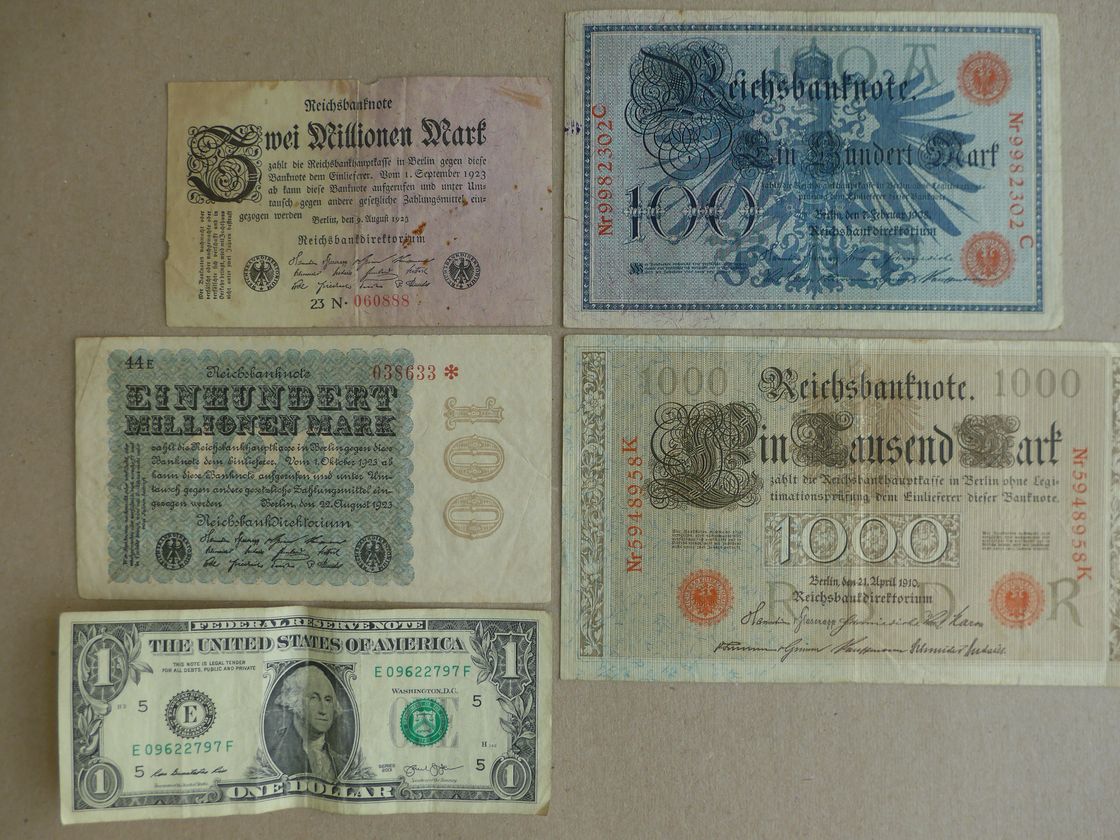
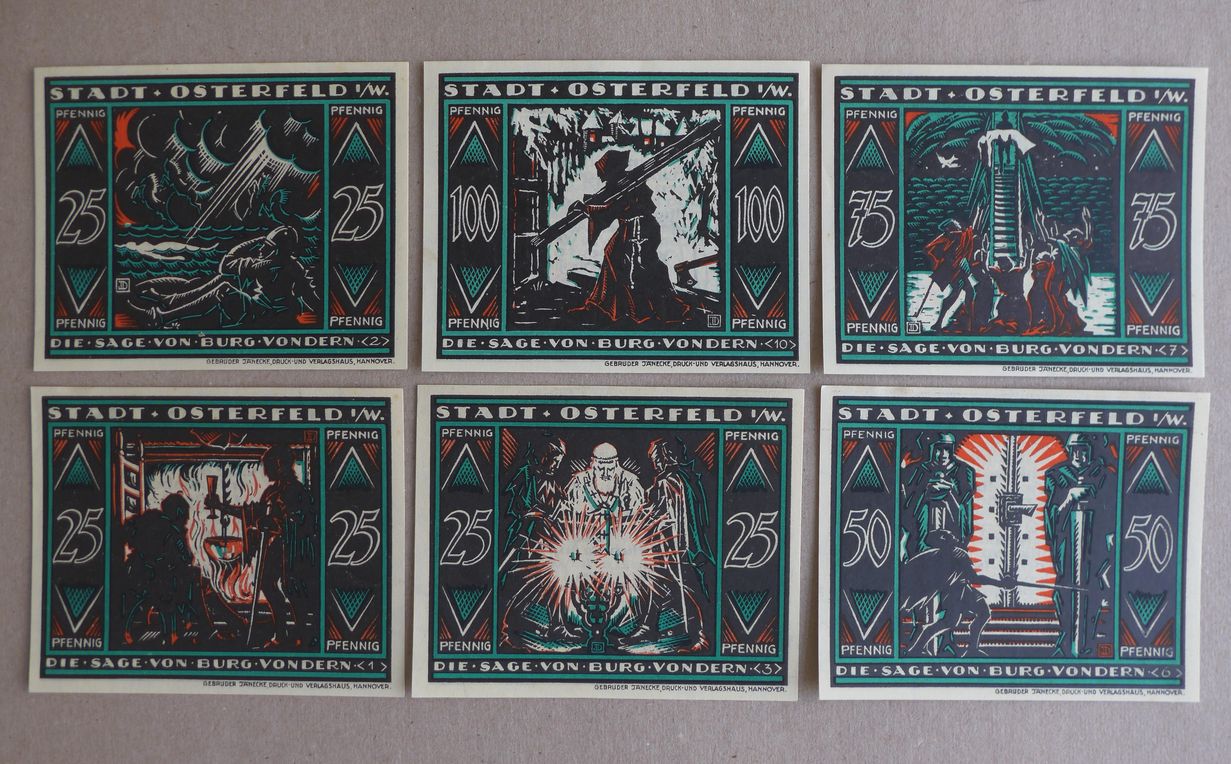
This is actual German currency from around 1914 to 1923 when the country issued hundreds of varieties of so-called emergency currency (Notgeld, “emergency money”) as a response to a number of different economic crises. By far the most famous of these was the hyperinflation from 1921 to 1923, when 100-trillion mark notes were issued and the exchange rate was around 4 trillion marks to one U.S. dollar. At bottom left are notes ranging from 100 to 100 million marks.
Click photos to enlarge
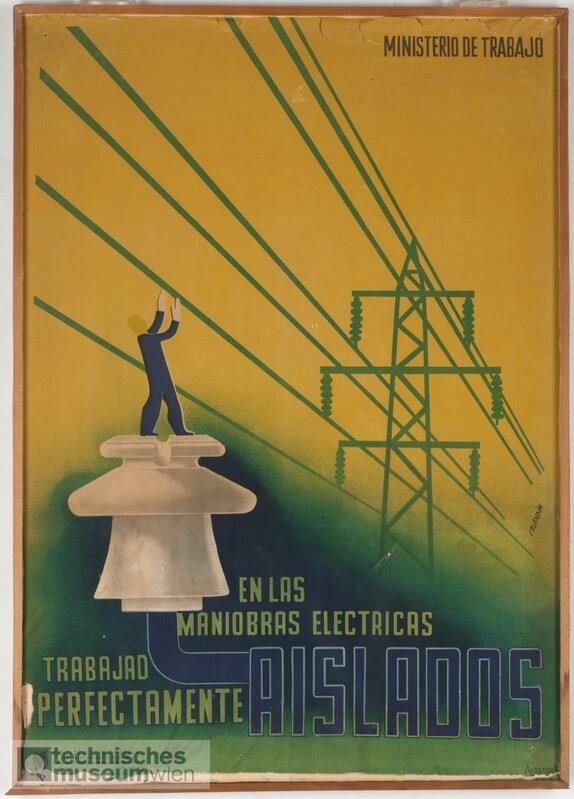
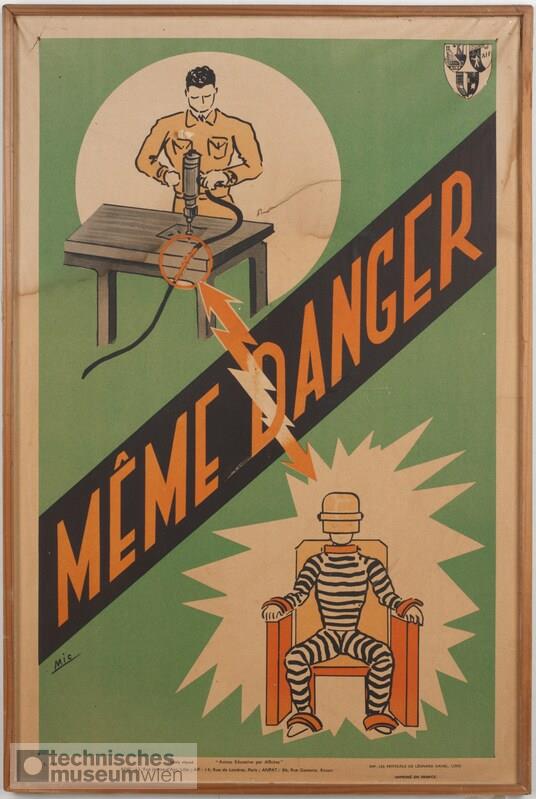
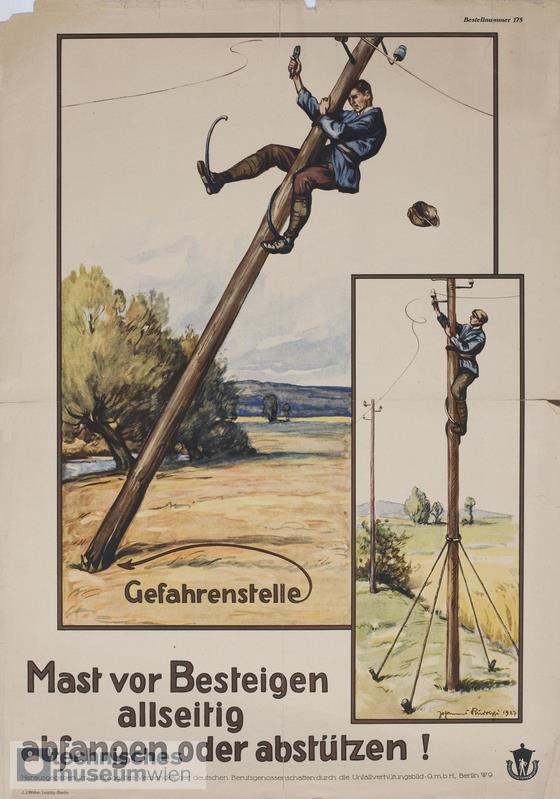
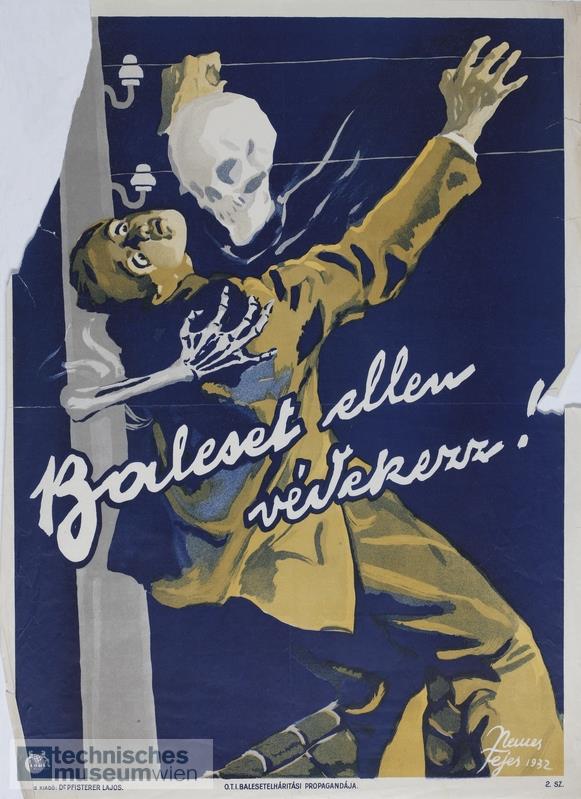
Electrical safety posters of the 1920s and 30s and the Jewish doctor who pioneered the treatment of electrical accidents
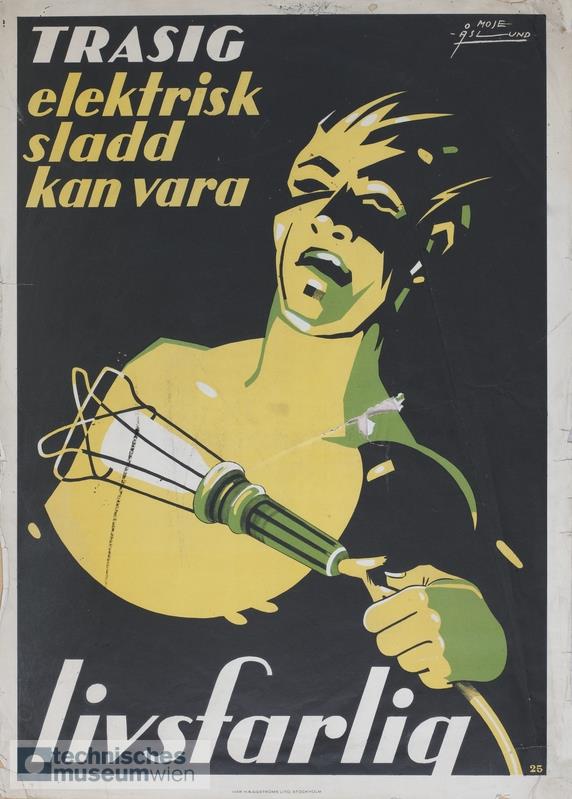
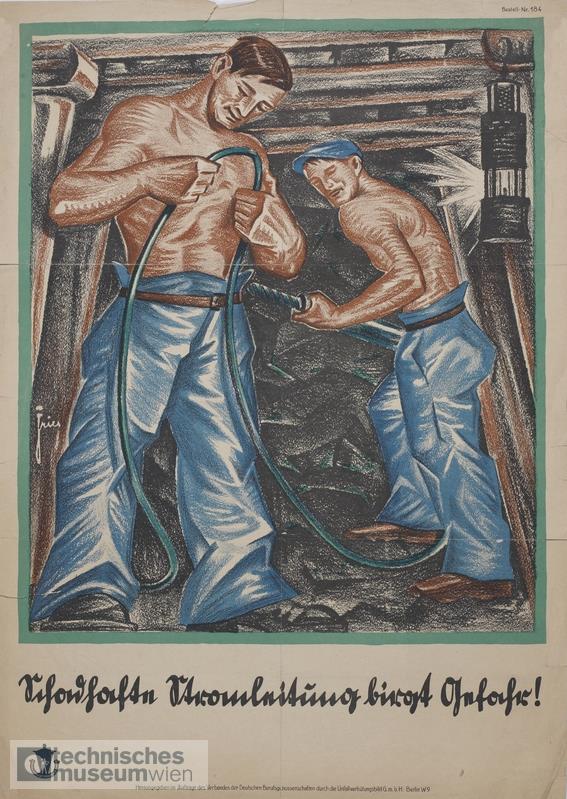
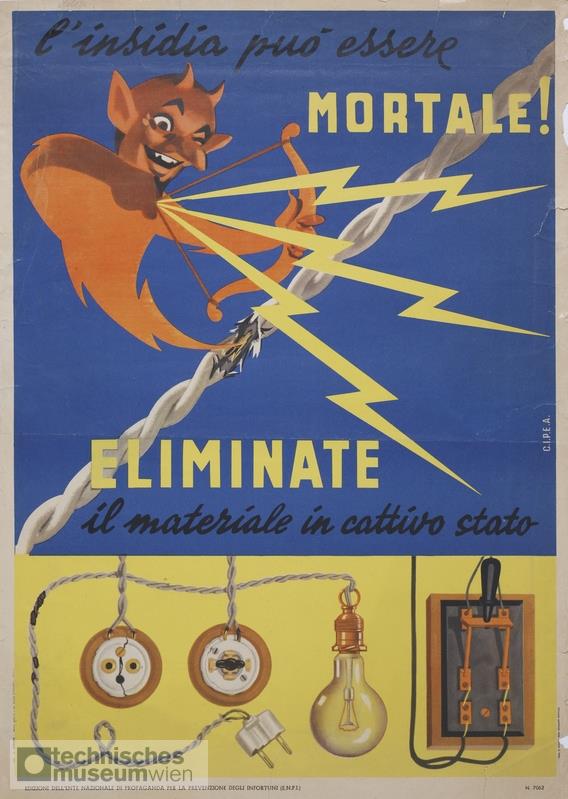
These are electrical safety posters from the 1920s and 30s from various countries that I found in the online archives of a science museum in Vienna (deeply buried and complicated to track down, by the way – poor database design!) Originally they were in the Museum of Electropathology which existed from 1906 to 2002 and was founded by a Jewish doctor named Stefan Jellinek who was the first to specialize in the science and treatment of electric shocks to the human body due to accidents and lightning, and electrical safety in the home and workplace.
Click to enlarge and use arrow keys to go to the next
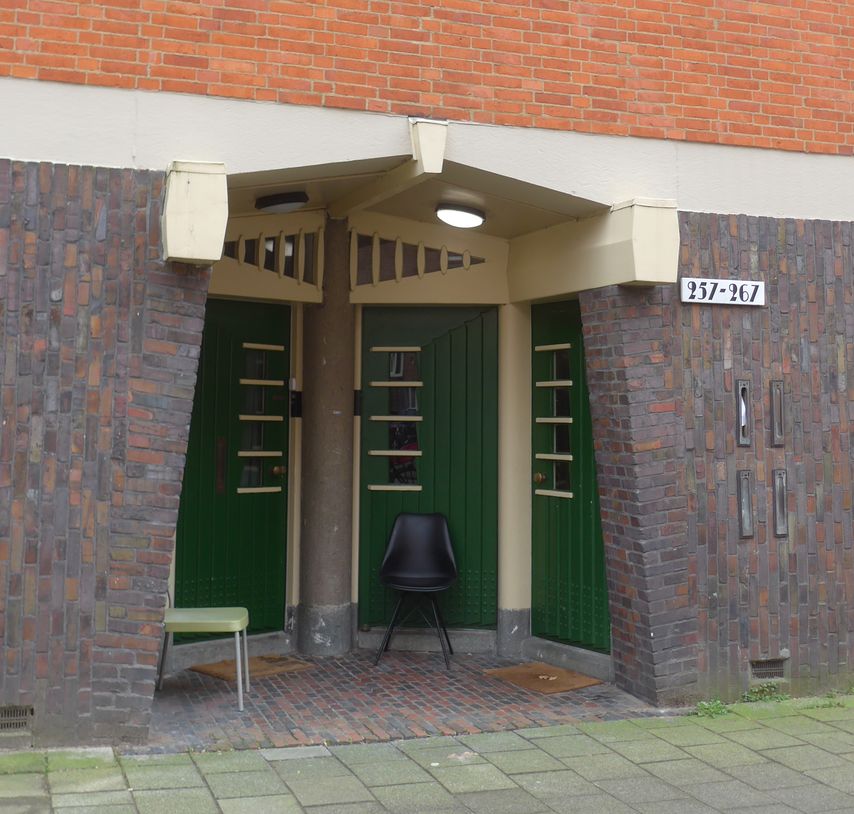
Imagine Bauhaus meets Frank Lloyd Wright and Dr. Suess, but with Indonesian – The eccentric genius of the Amsterdam School, 1910-1930
Recently in Amsterdam I trekked out to a semi-remote nondescript residential quarter to visit the world’s first modernist apartment building, built in 1917, which is also one of the most important examples of a gloriously eccentric, little-known and absolutely unique style called the Amsterdam School. Lasting from the late-1910s up to World War II, it combined the austere, spartan functionalism of 1920’s modernisn with Art Deco’s geometric extravagance; Frank Lloyd Wright’s dramatic intersecting planes; and – curve ball! – traditional Indonesian styles; and – another curve ball! – a quirkiness that looks like it could have come from Dr. Suess.
Click on images to enlarge and click again on the edges to jump to next or previous image.
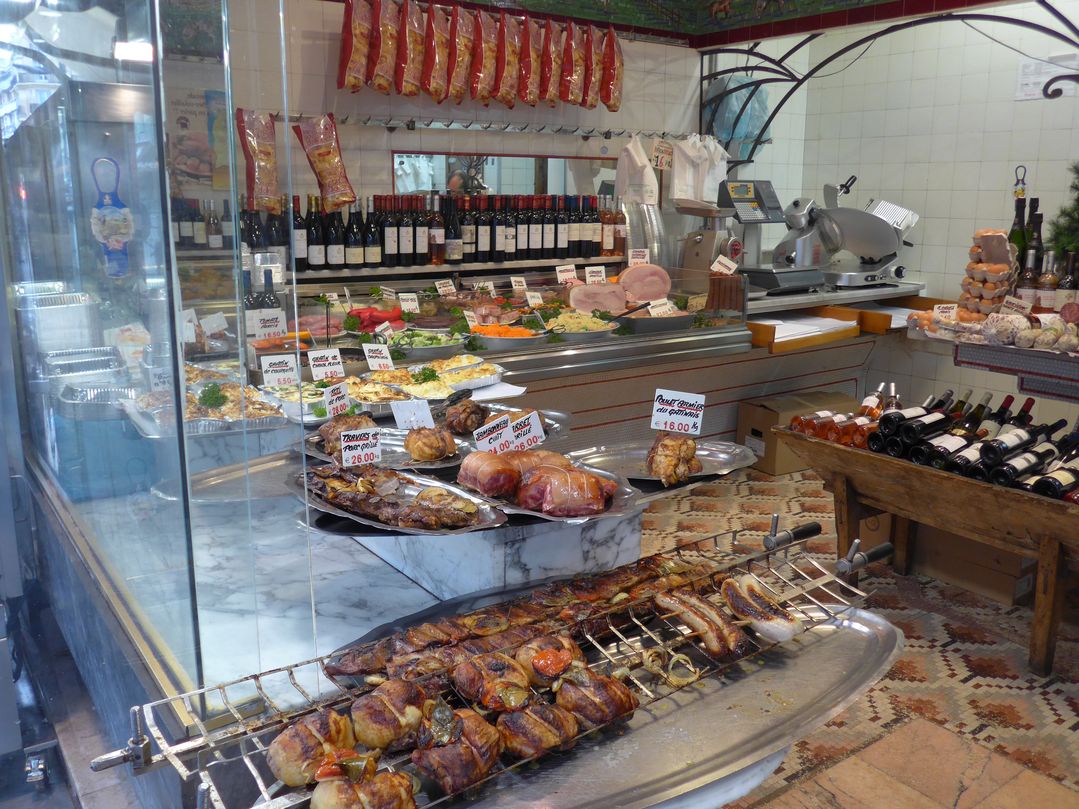
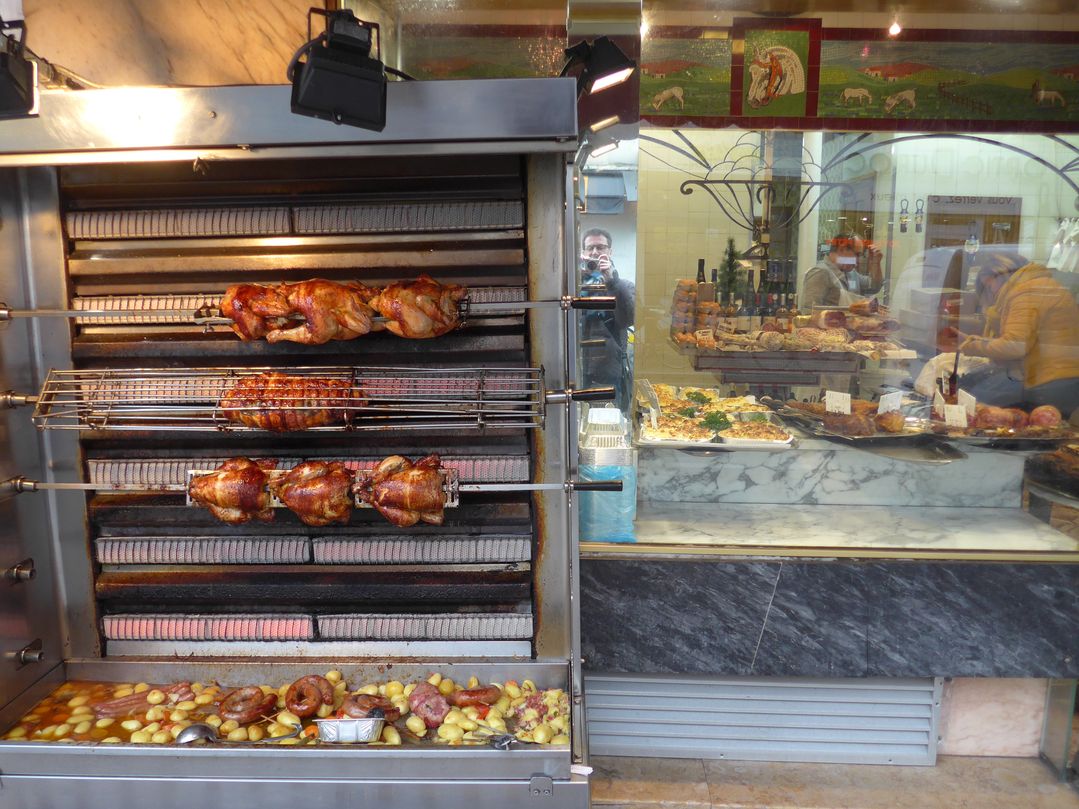
Four words and one tip that still aren’t in the guidebooks on France
Here are a couple of items that should shed some light on things that actual French people like and don’t like, or do and don’t do, and despite the endless flow of “insider’s” guidebooks, I’ve never seen them explained in English. (Did you know that you can’t order pastries in restaurants in France, for all intents and purposes?) This post was inspired by a friend who asked for some travel tips for a part of France that I hadn’t been to. It occured to me though that these tips should save every traveler time and headaches and I think they’re fascinating even if you’re not making a trip.
traiteur – a sort of deli that sells prepared foods to go and maybe sliced cheeses and meats (but not sandwiches! , which are sold at boulangeries, bakeries)….
Continue reading “Four words and one tip that still aren’t in the guidebooks on France”
Drawings from the French National Library
Incredible exhibition of eighteenth-century drawings from the Bibliothèque Nationale de France (French National Library) at the Clark Art Institute in Massachusetts. The point was to show drawings that were made for all sorts of purposes other than just sketches for paintings or to practice drawing human figures, which normally are just about only kind you ever see in museums and the reason why the drawings galleries are the boring ones you always skip (admit it!) This showed how exciting the drawings departments could be.
Above: Design for a toy carriage; shells by Émilie Bonnieu, one of the many women who had lucrative careers producing illustrations of natural specimens; Parisian street vendors with their cries notated Continue reading “Drawings from the French National Library”