Just wanted to plop down a few pages from Eric Sloane’s books to give some idea of what he was about. He wrote and illustrated books on rural buildings, woodworking, infrastructure such as bridges and roads, landscapes, and farm life in early colonial New England, as well as the weather and seasons. He even wrote a book just about bells. I’m not aware of anyone else like him regardless of era or region.
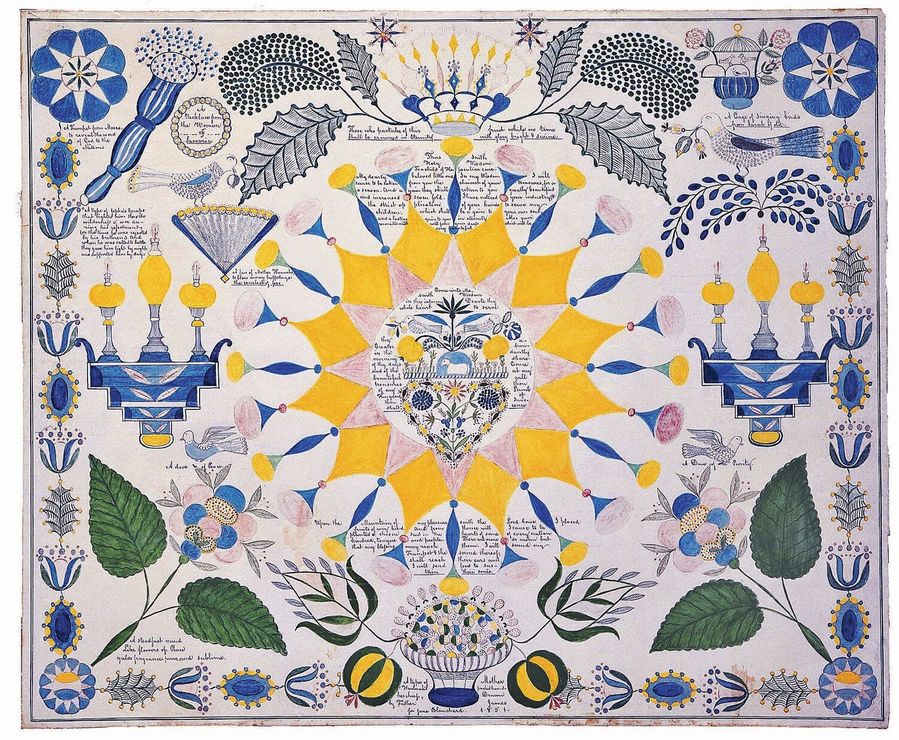
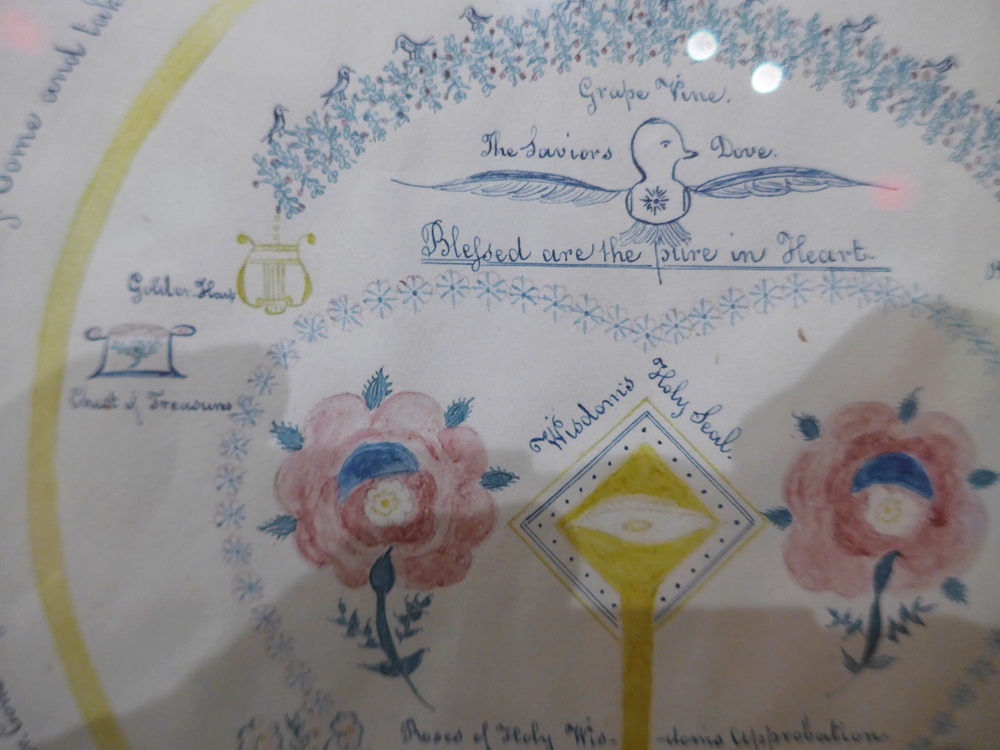
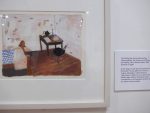
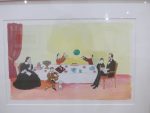
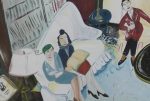
Shaker “gift” drawings such as these from the 1840s and 50s are the only objects where Shakers used ornament or decoration. Only around 200 are known to exist and 25 of them are at Hancock Shaker Village in Massachusetts where I saw these. Today they’re called ‘gift drawings’ only because they’re referred to as gifts the few times they’re mentioned in journals, where ‘gift’ meant a spiritual message received supernaturally from deceased Believers. Otherwise we don’t know what the Shakers called them and in fact no record exists of the Shakers referring to them as drawings at all, or as art.
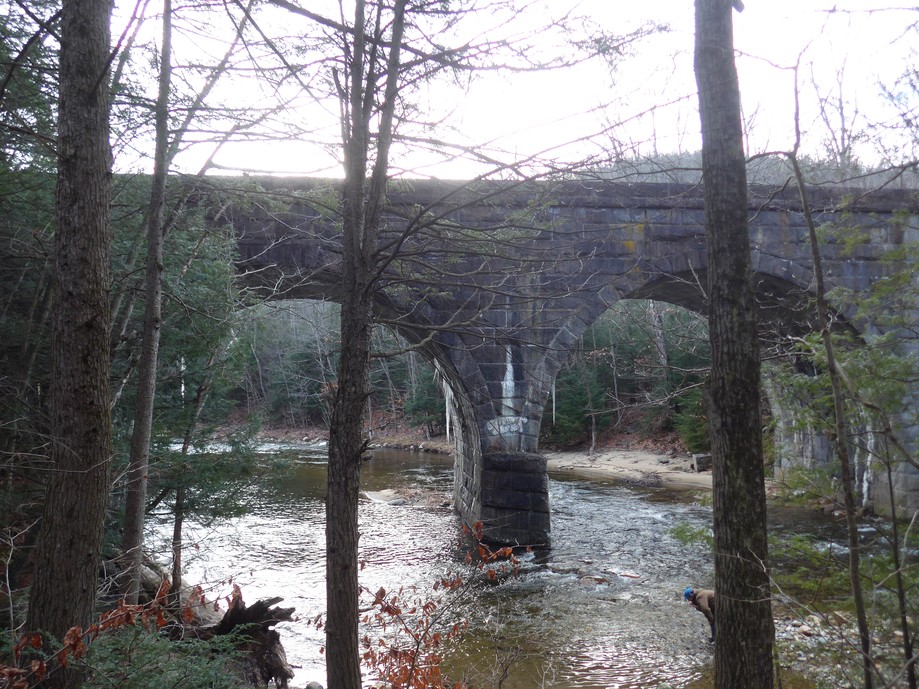
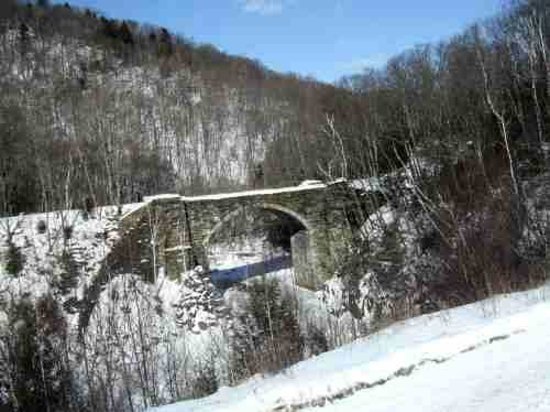
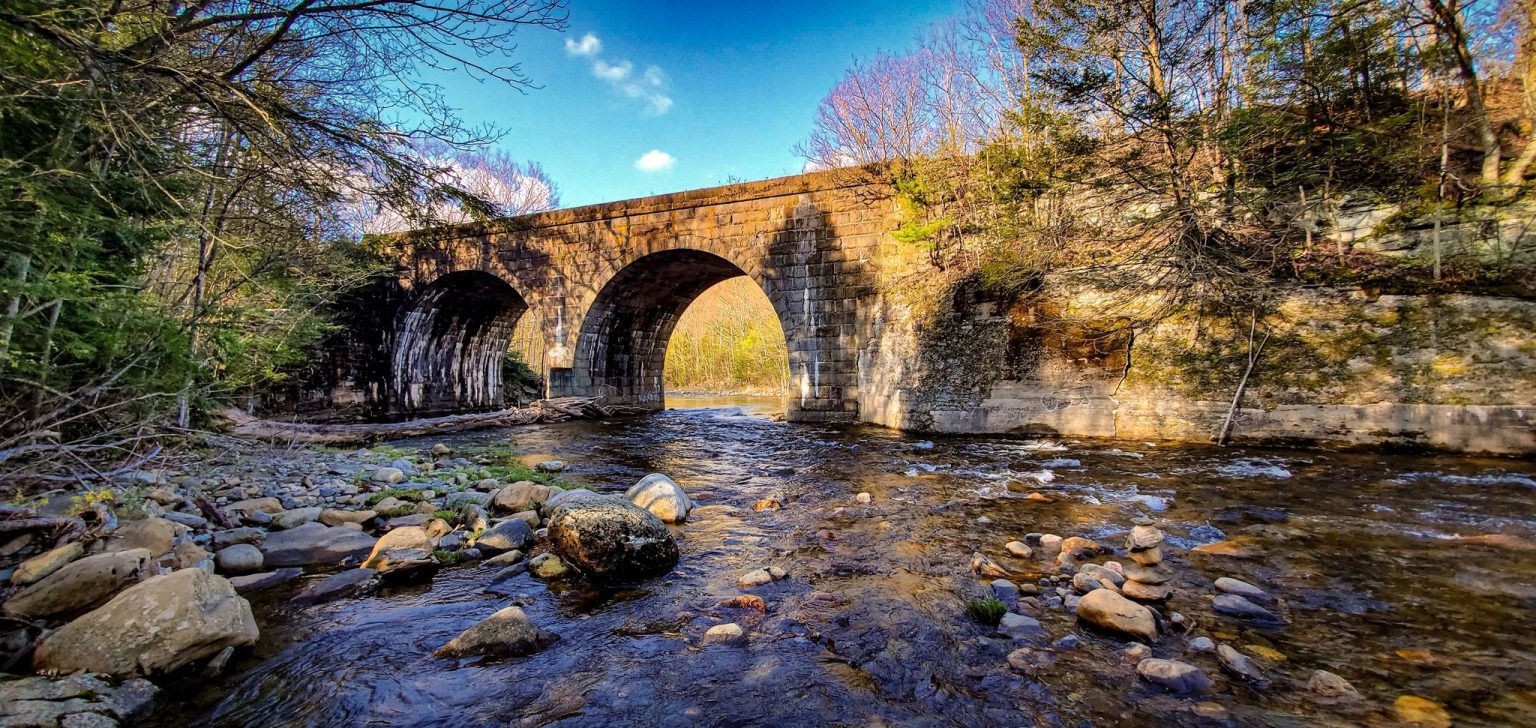
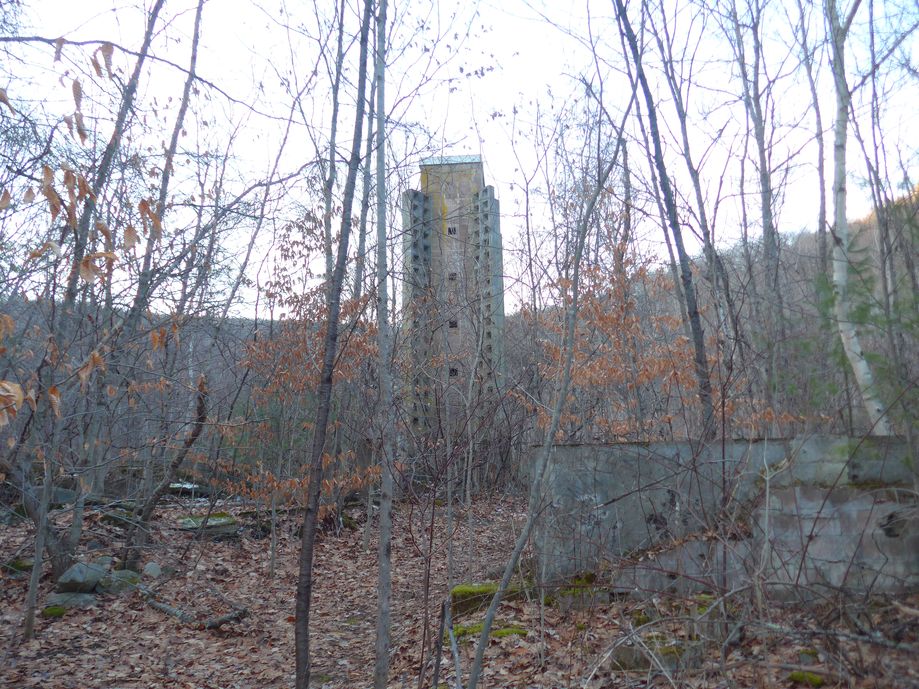
There’s about four arches deep in the woods an hour or so from Springfield and you can’t seem them from any road; you have walk on a trail which is a popular local sight. There’s also a few assorted disused bridges, a quarry and a tower remaining from some sort of artists colony or commune from the 1960s or 70s. Amtrak and freight trains still use the bridges and I saw an Amtrak train go by just a few feet from the trail.
The bridges were built in in 1840 as “dry” masonry, that is, stones just piled up without cement or mortar. The rail line was the world’s longest, highest and steepest, and the world’s first to go up a mountain. The lead engineer for the construction was Whistler’s father, that is, the husband of Whistler’s Mother, as in the famous painting by James MacNeill Whistler.
Arrow-key or click to scroll through photos
Clock tower, the only remains of a former artists’ colony or commune
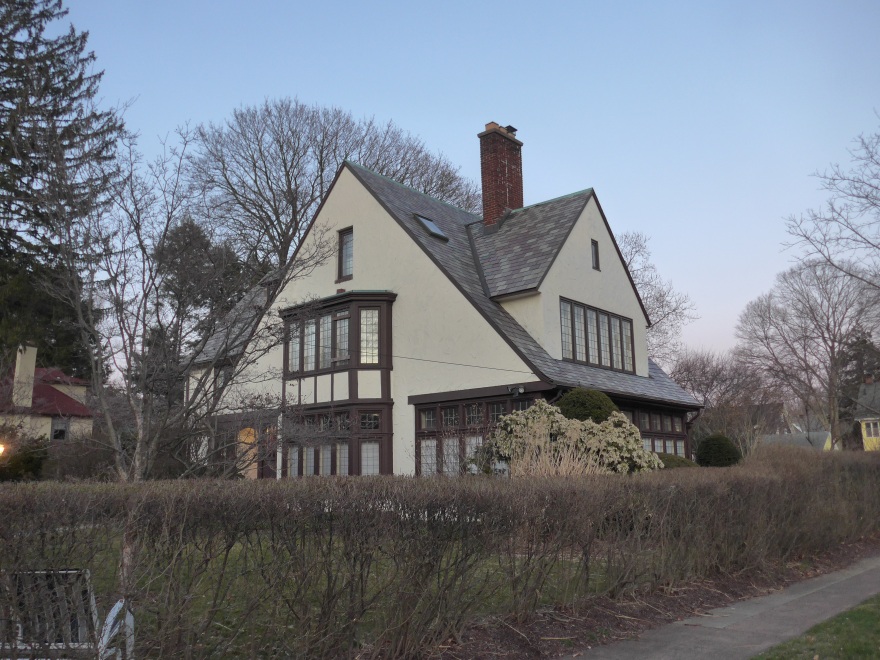
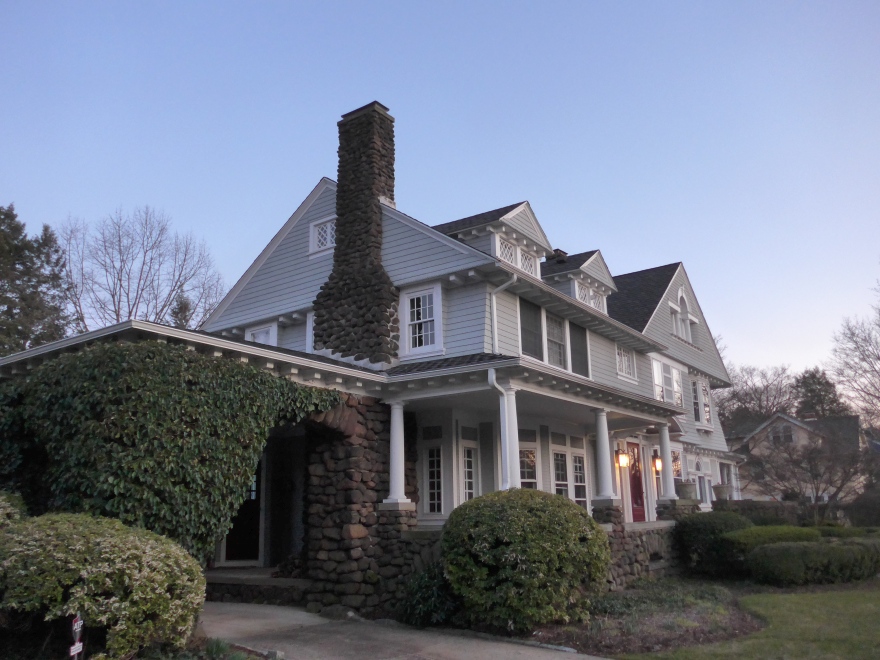
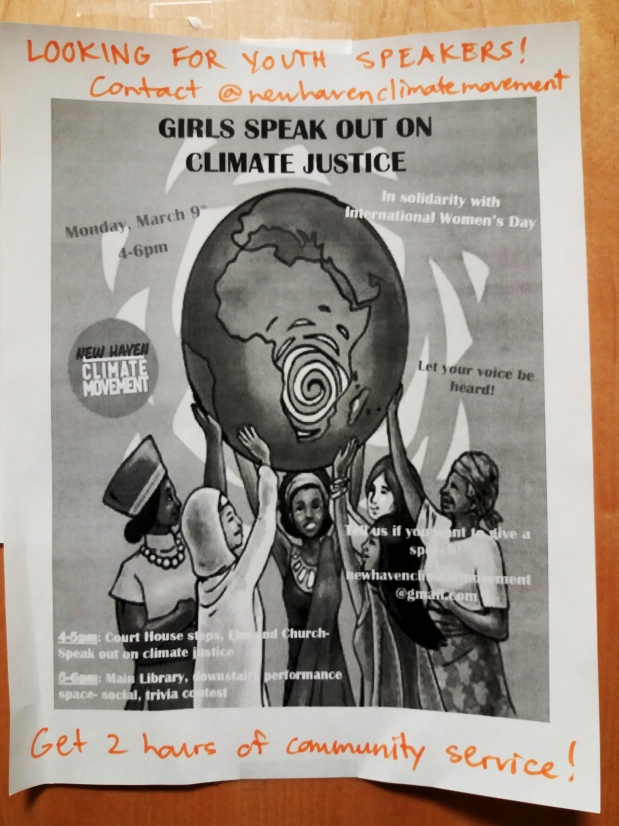
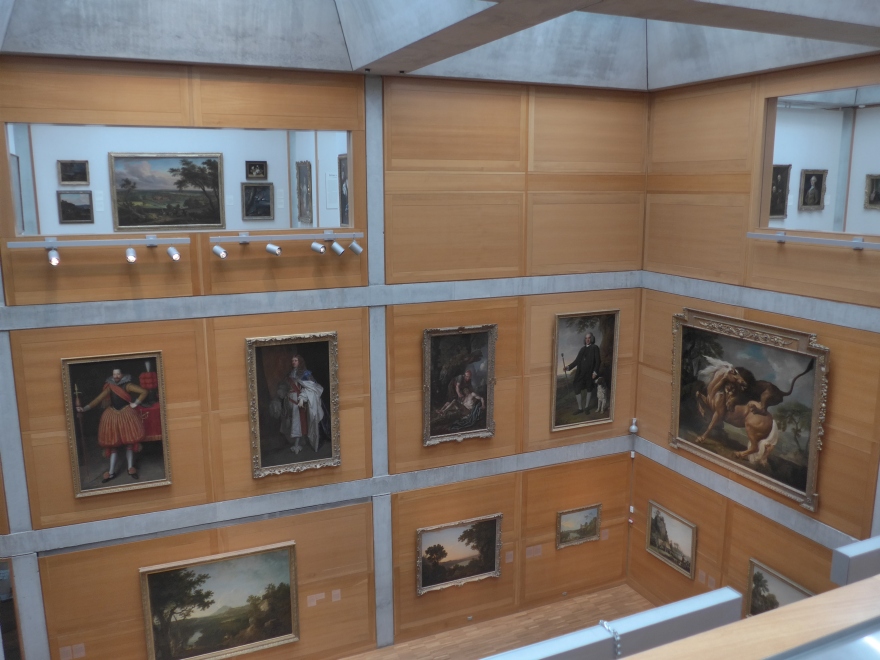
We were in New Haven and rural New England just before Covid hit. Everything was gorgeous. The food was great and there was lots of agrodiversity and local produce and small producers even in the smallest towns, things that you essentially can’t get, by the way, here in Berlin where I live. Hard as it may be to believe, they somehow have only barely started getting the memo on eating local. The pictures may look a little gloomy because this was “mud season”, the time in March after the beautiful snow has melted and before spring has started. The trees are bare, mud is everywhere, and many sights, shops and restaurants are closed or have reduced hours. They even advise tourists to avoid March but we had a wonderful time.
Pictures of the excellent Yiddish Book Center in Amherst are here.
New Haven
Whitlock’s Book Barn, my favorite book store in the world
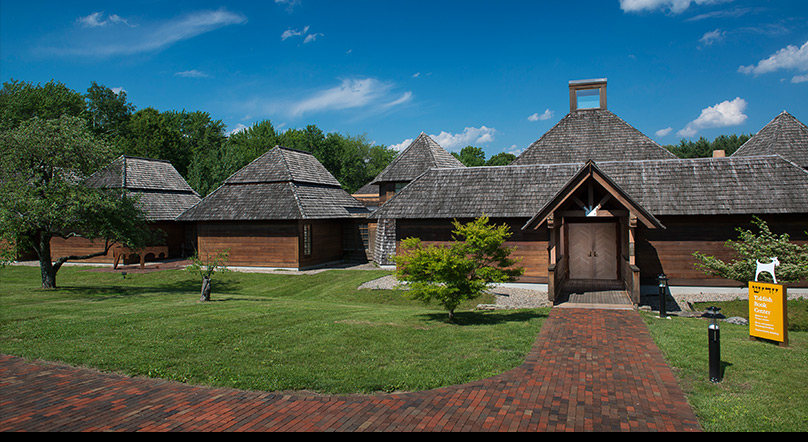
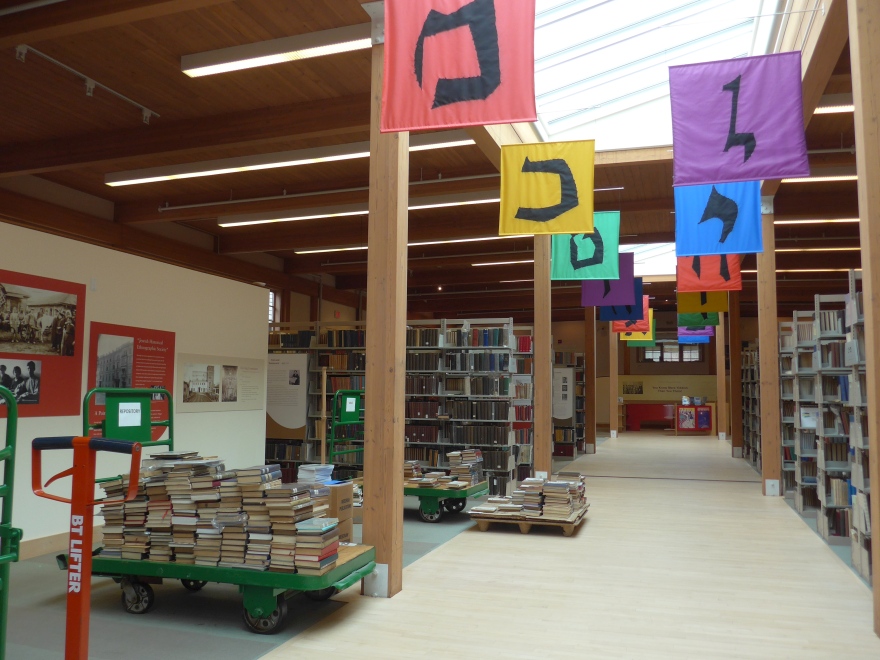
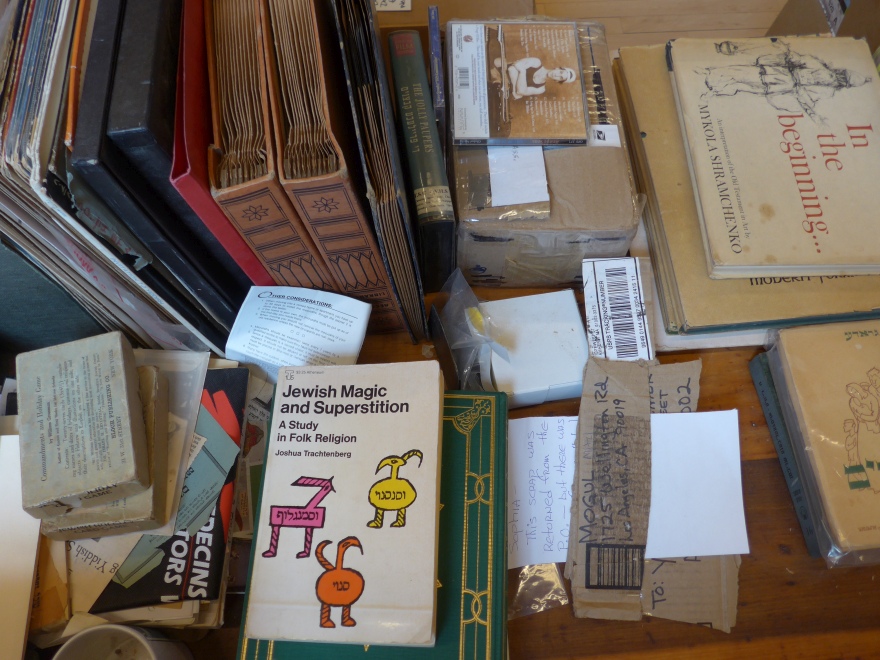
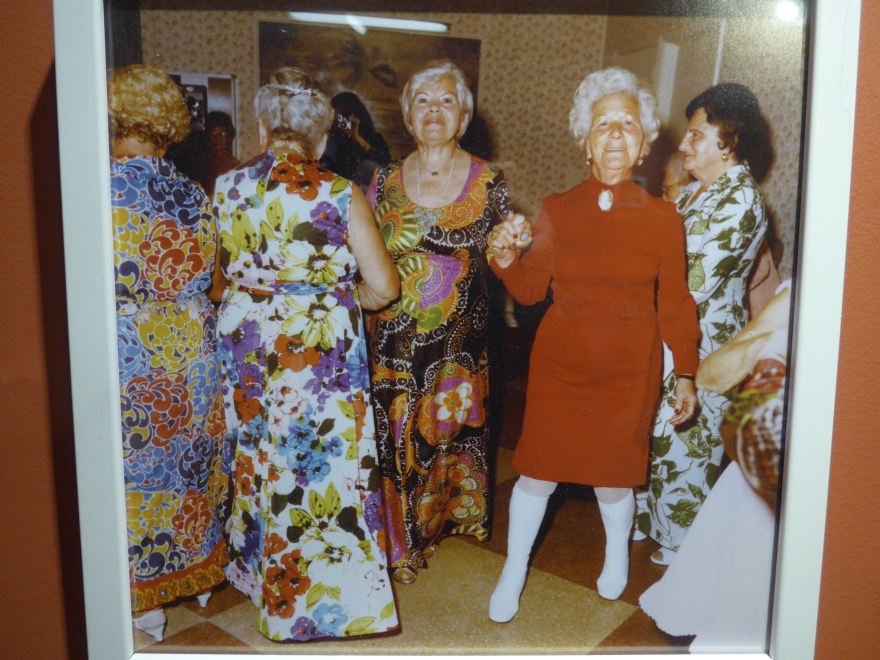
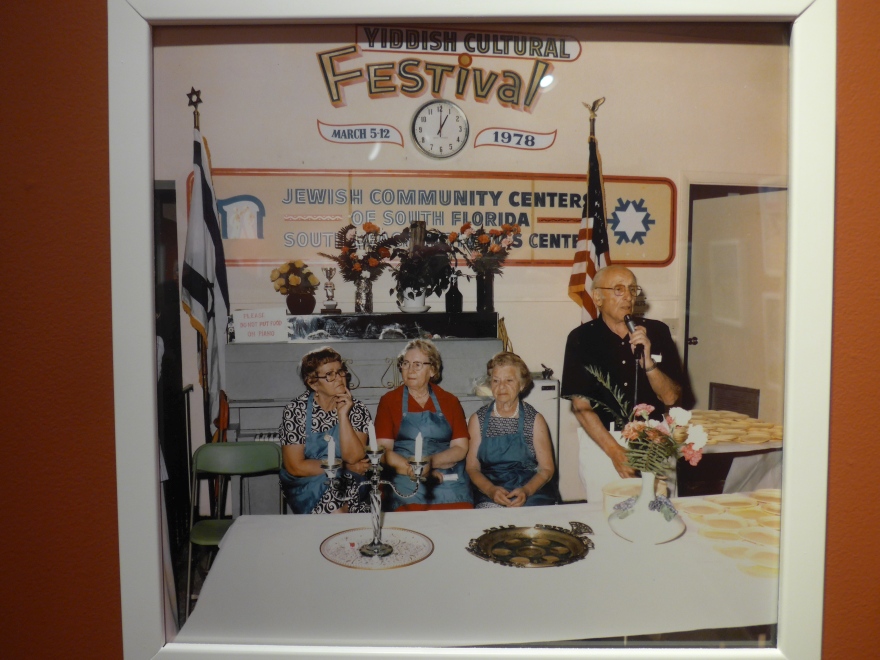
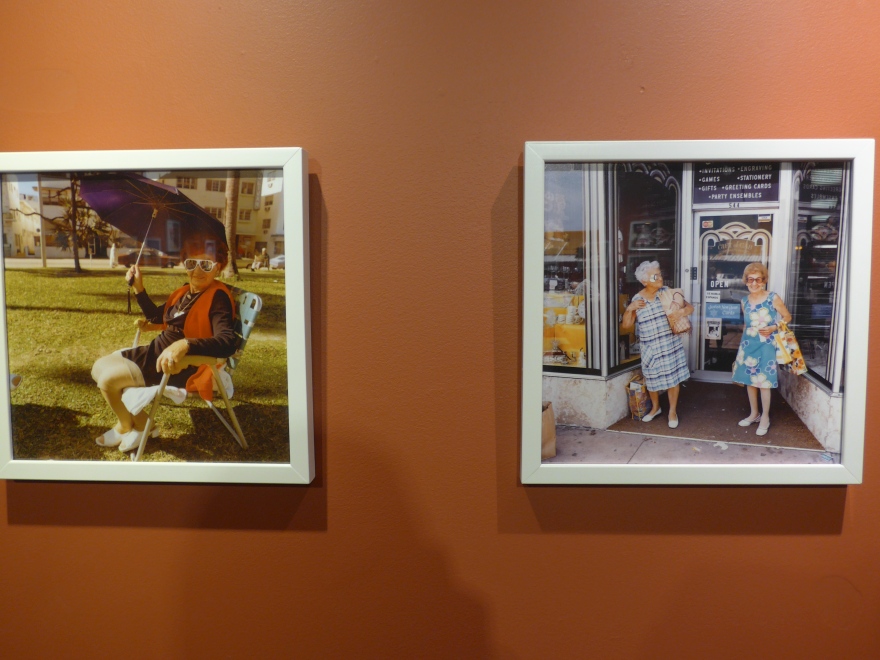
This is the Yiddish Book Center which lies four hours north of New York City in Amherst, Massachusetts, adjacent to Hampshire College. It’s really great and you should visit. It’s an archives, museum, and cultural center housed in a gorgeous new building recalling a rural eastern European village. A big draw for me was Shtetl in the Sun: South Beach, Miami 1977-1980, an exhibition of photographs of Jewish retirees.
Some of the archiving is done right out in the open and you can walk right up to the desks!