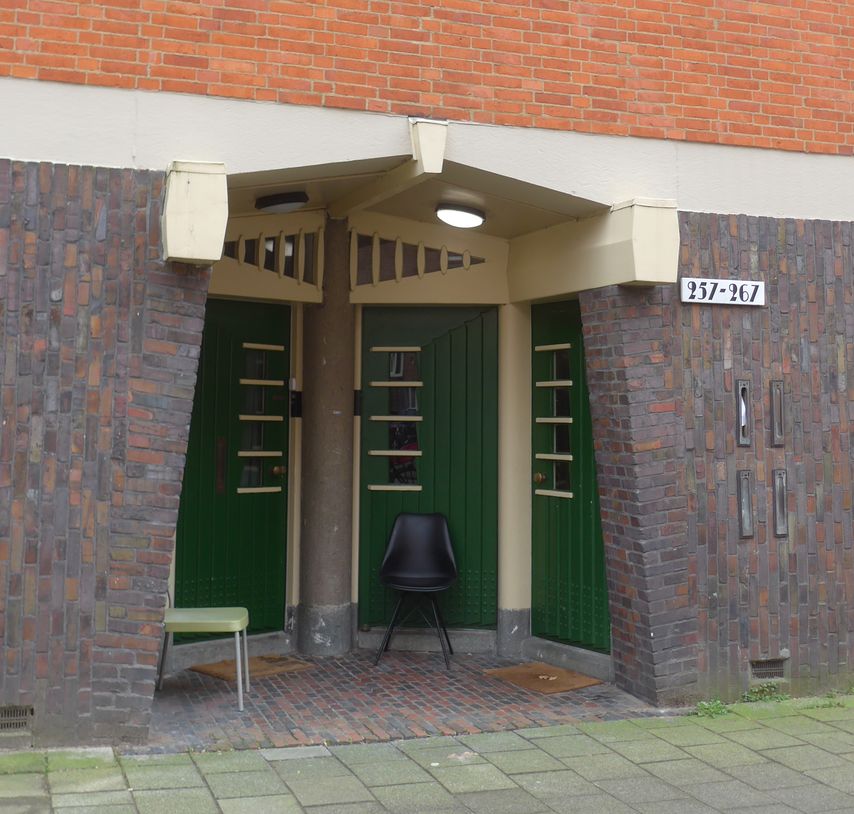
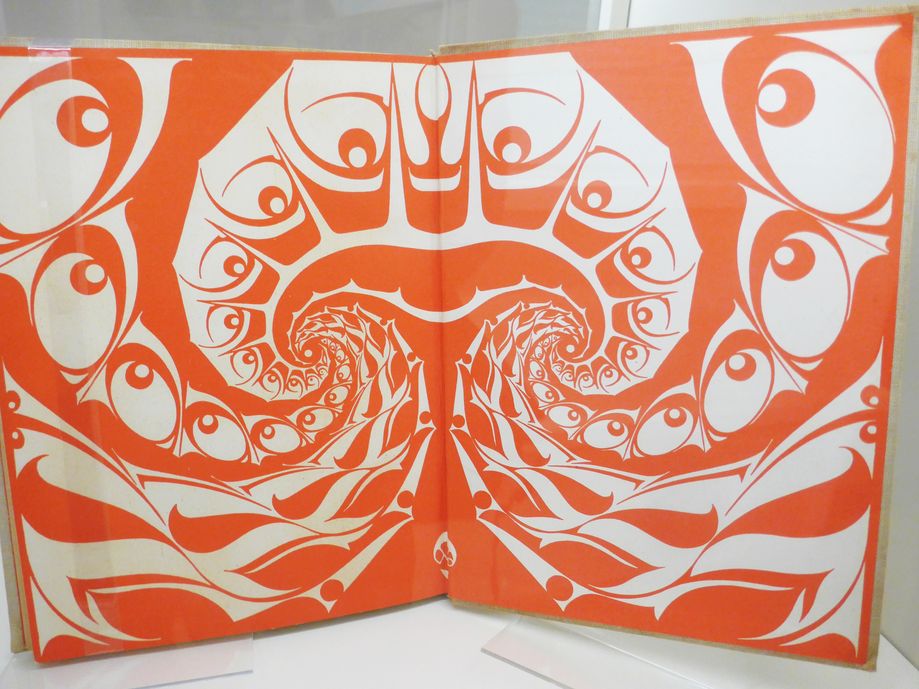
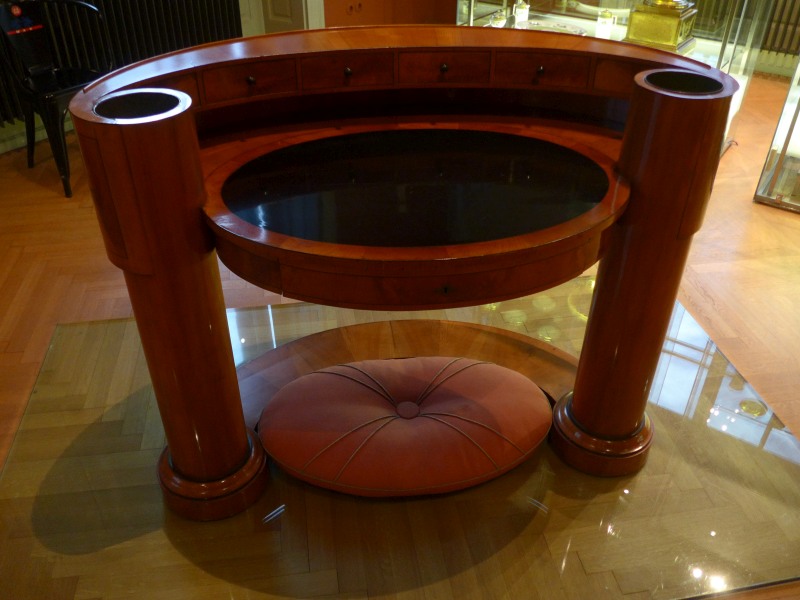
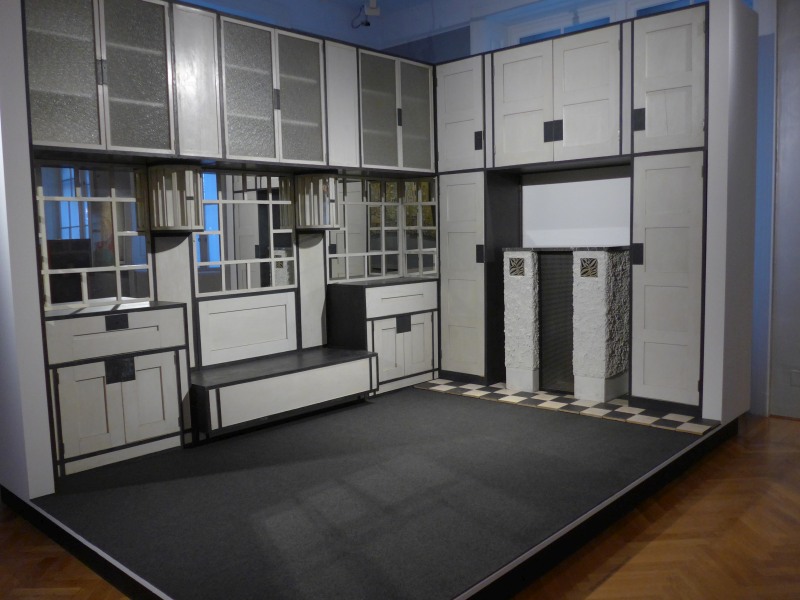
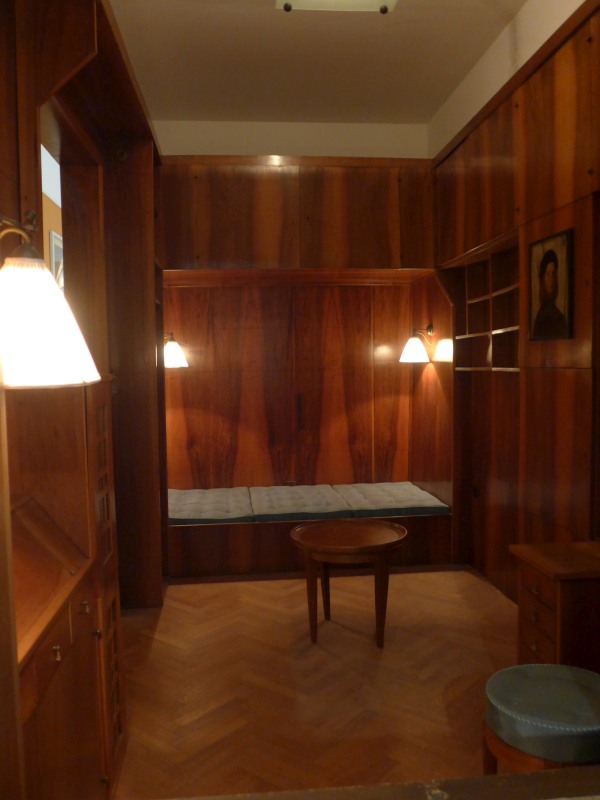
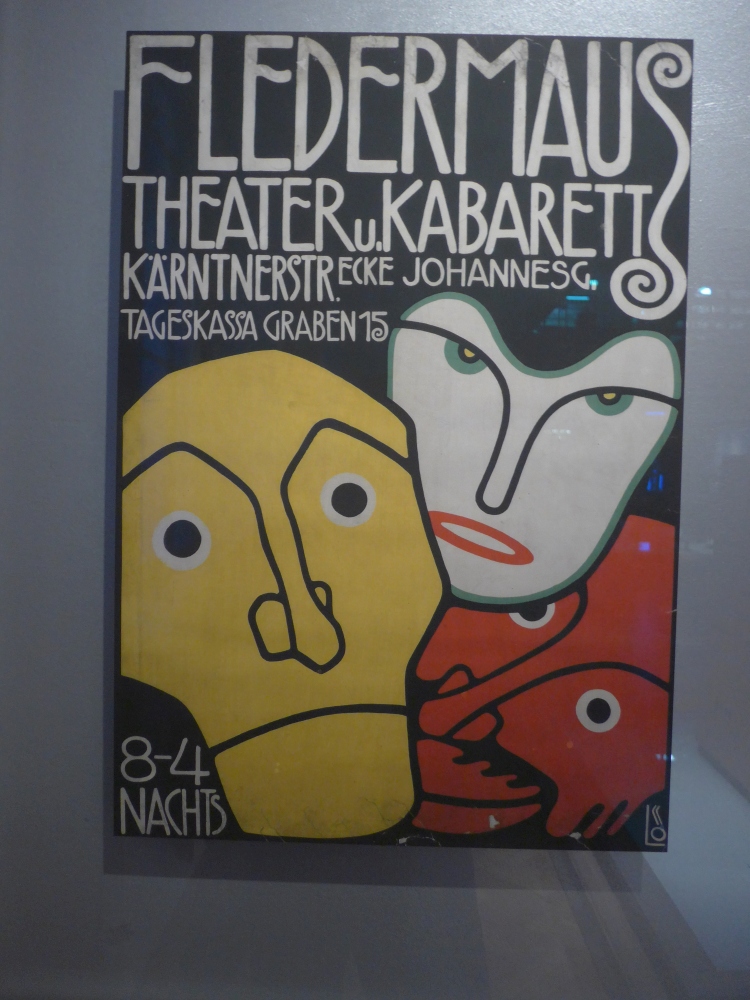
Recently in Amsterdam I trekked out to a semi-remote nondescript residential quarter to visit the world’s first modernist apartment building, built in 1917, which is also one of the most important examples of a gloriously eccentric, little-known and absolutely unique style called the Amsterdam School. Lasting from the late-1910s up to World War II, it combined the austere, spartan functionalism of 1920’s modernisn with Art Deco’s geometric extravagance; Frank Lloyd Wright’s dramatic intersecting planes; and – curve ball! – traditional Indonesian styles; and – another curve ball! – a quirkiness that looks like it could have come from Dr. Suess.
Click on images to enlarge and click again on the edges to jump to next or previous image.
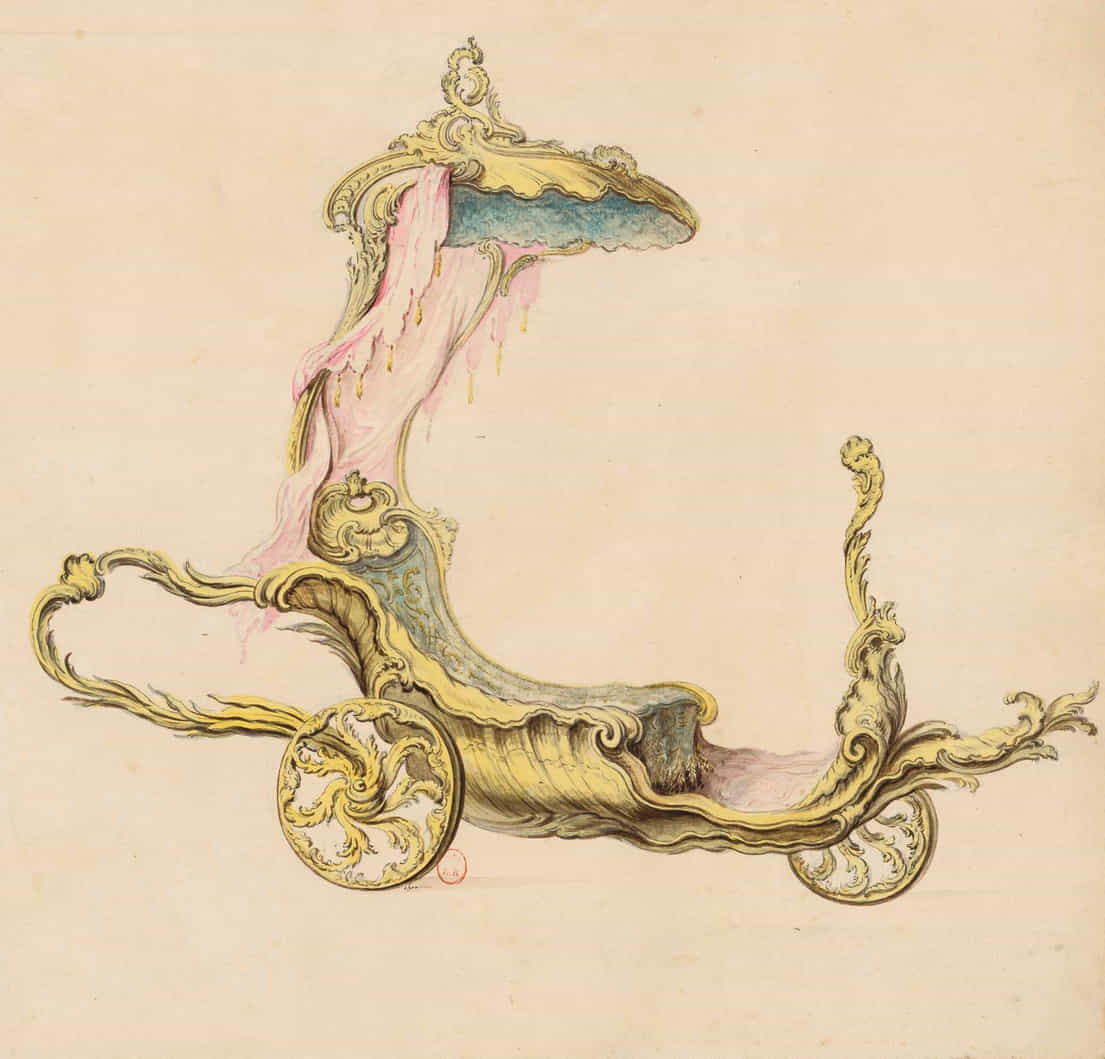
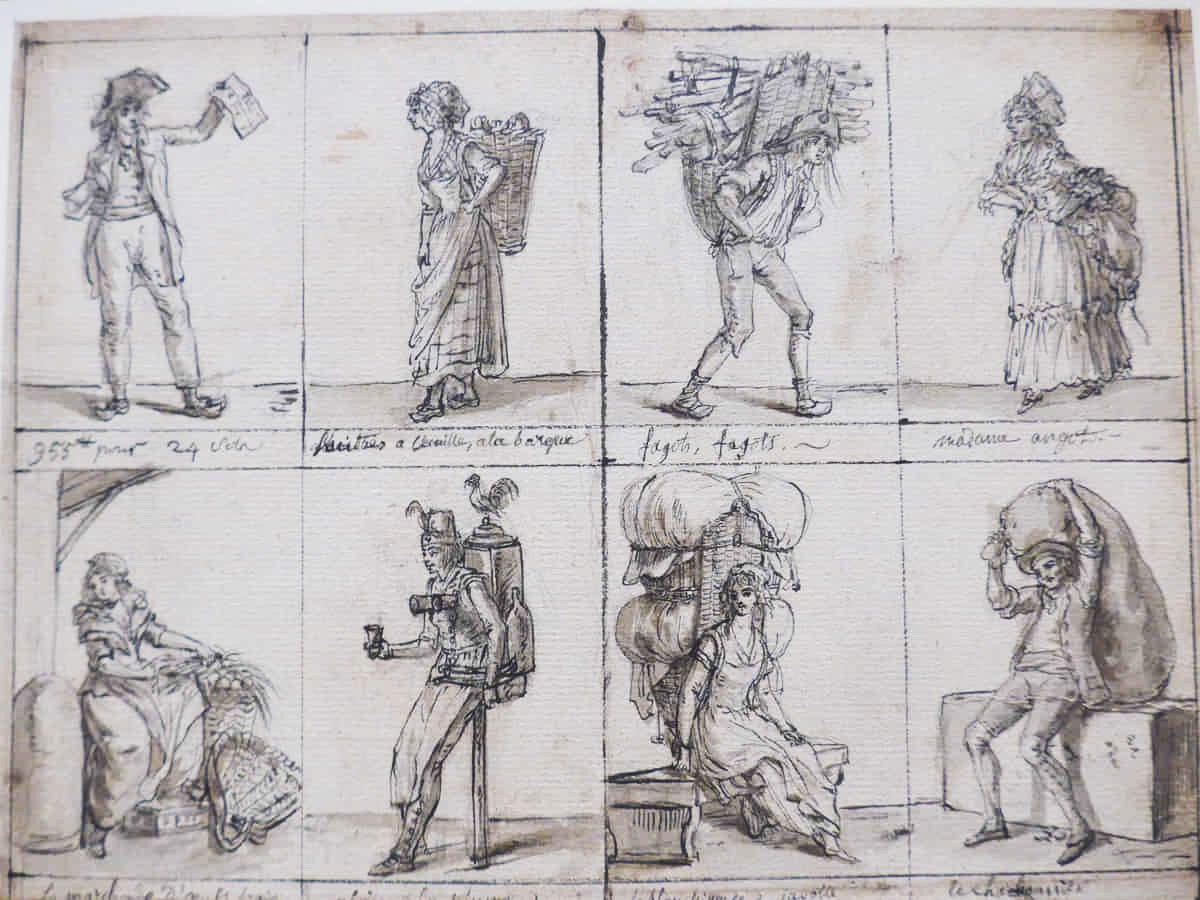
Incredible exhibition of eighteenth-century drawings from the Bibliothèque Nationale de France (French National Library) at the Clark Art Institute in Massachusetts. The point was to show drawings that were made for all sorts of purposes other than just sketches for paintings or to practice drawing human figures, which normally are just about only kind you ever see in museums and the reason why the drawings galleries are the boring ones you always skip (admit it!) This showed how exciting the drawings departments could be.
Above: Design for a toy carriage; shells by Émilie Bonnieu, one of the many women who had lucrative careers producing illustrations of natural specimens; Parisian street vendors with their cries notated Continue reading “Drawings from the French National Library”
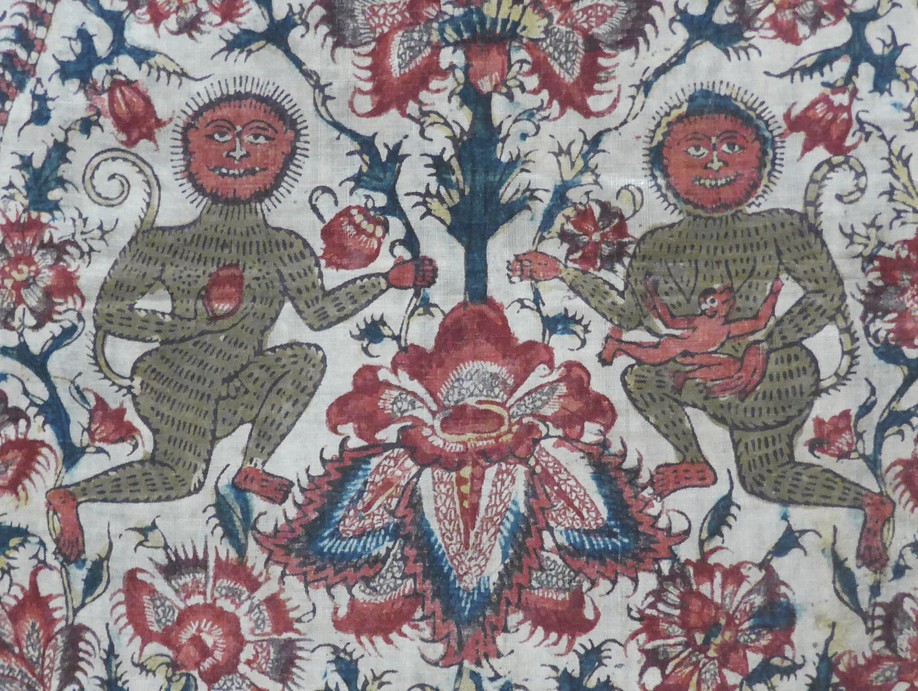
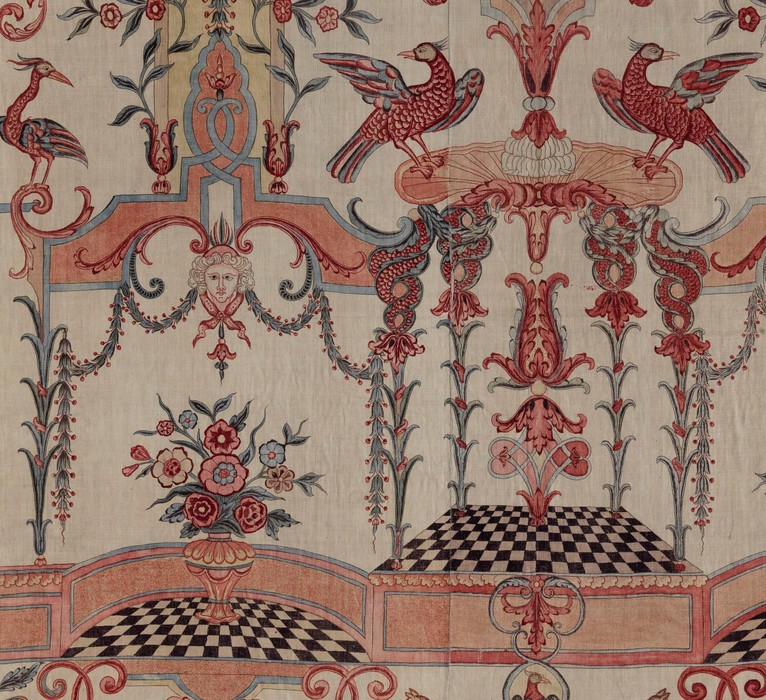
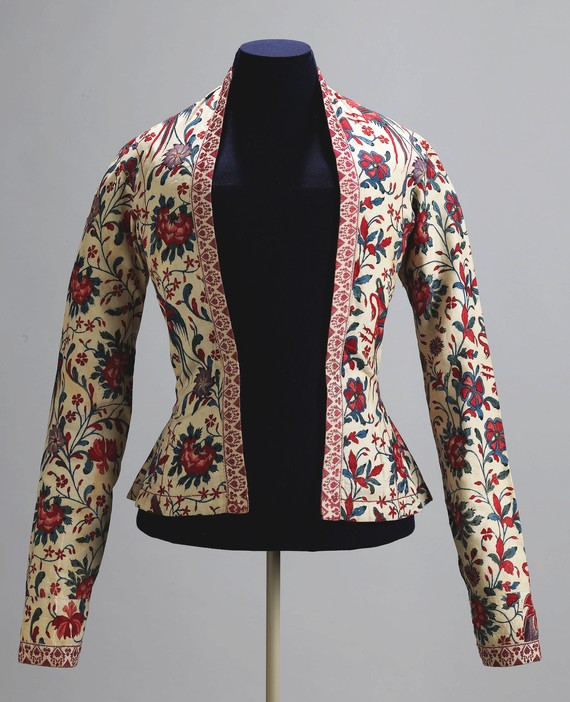
For nearly two millienia, India was the only place where people had figured out how to dye or print in multiple colors on cotton. Before modern industrial chemicals, getting just about any color to stick to cotton textiles – apart from indigo and a couple more – involved complicated, labor-intensive methods and obscure plant extracts that no one else had discovered. As early as 70 A.D., Pliny was marveling in over India’s colored cottons; the British couldn’t dye cotton until they learned India’s methods in the mid-1700s through their colonial trade. Until then, India was more or less the only supplier of colorful printed cottons, or chintz – a Hindi word – not just to Europe but also throughout Asia and they didn’t simply export their own designs but instead tailored them to each region’s local traditions. An exhibition at the St. Louis Art Museum entitled Global Threads: The Art and Fashion of Indian Chintztells the story.
Click to enlarge and page through each set
Chintz made in India c.1875 for the Iranian market
Inside the St. Louis Art Museum looking out from the new wing onto the original building. Black and orange rectangles are a Frank Stella and a Barnett Newman reflected in the window. White ramp is outdoors in front of the old building.
Japanese print from 1873 depicting the moment when the Frenchman Josué Heilmann, inventor of he cotton-combing machine, was inspired by watching his daughter’s hair being combed, from the series “Biographies of Great People of the Occident”.
Coup de cœur means “a delightful special thing you’ll fall in love with” or “personal favorite” as I’ve mentioned elsewhere and I’m using the term half-ironically because the French use it so much. They’re crazy about it. You can’t go five minutes in France without seeing it, at least in print; I think not really in everyday speech. But these really are some of my coups de cœur.
Subway poster for exhibition “Baudelaire: Melancholic Modernity”
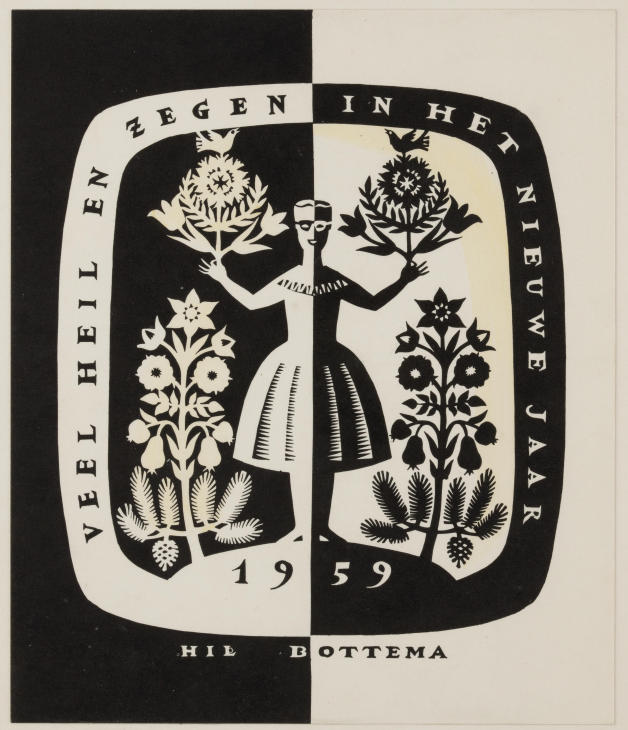
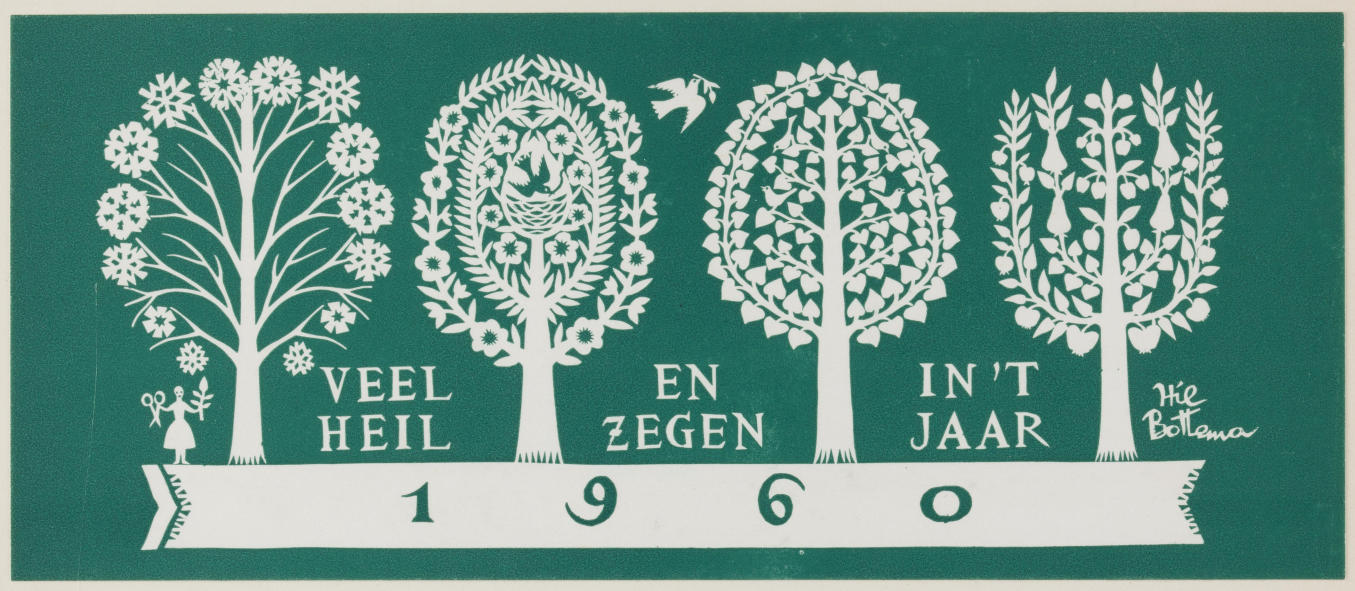
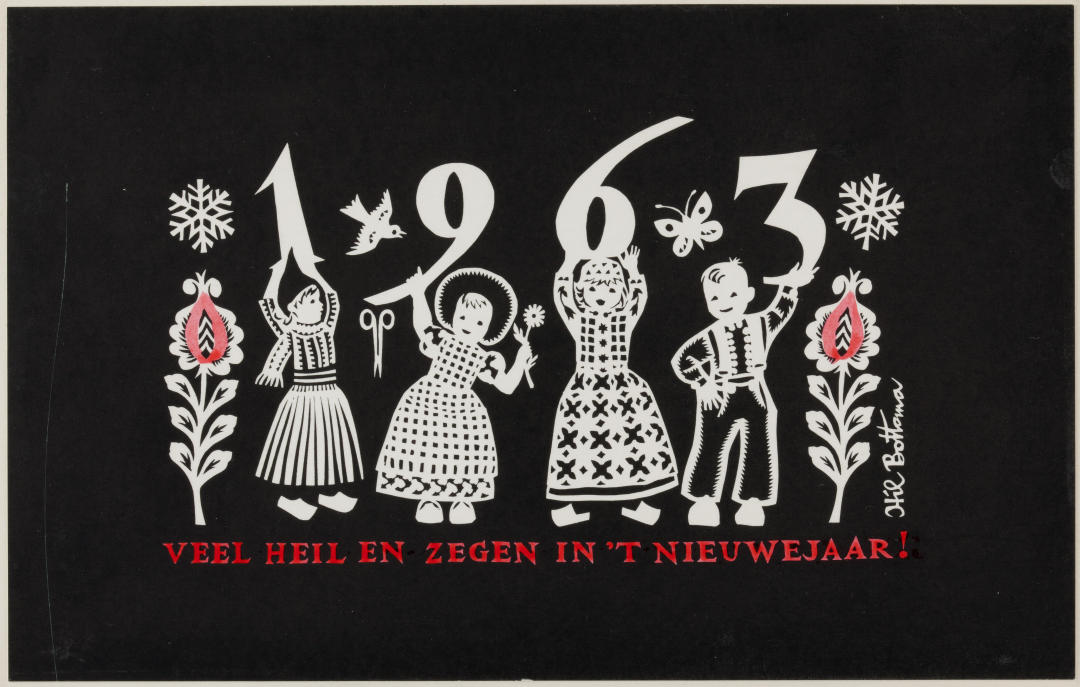
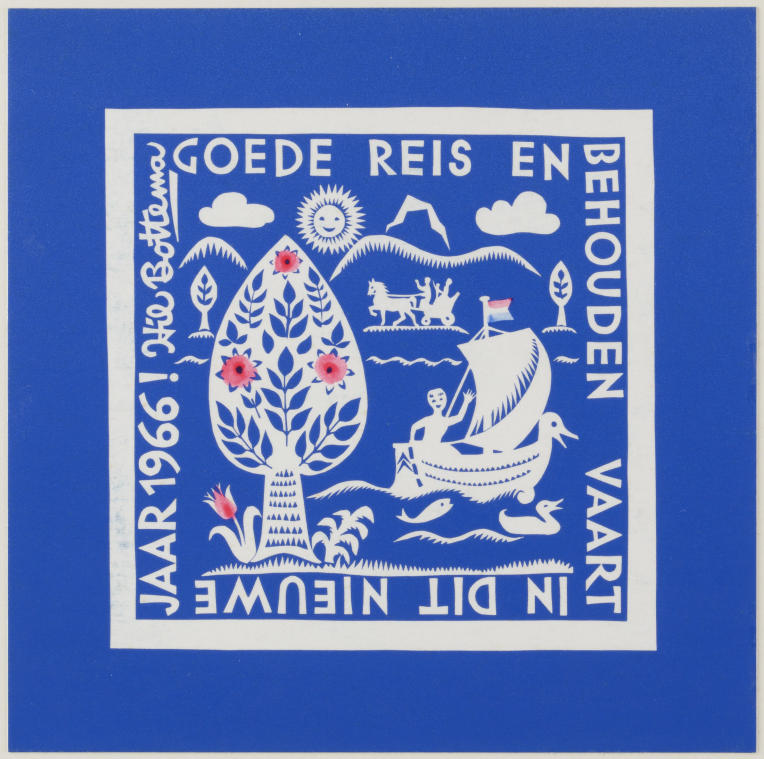
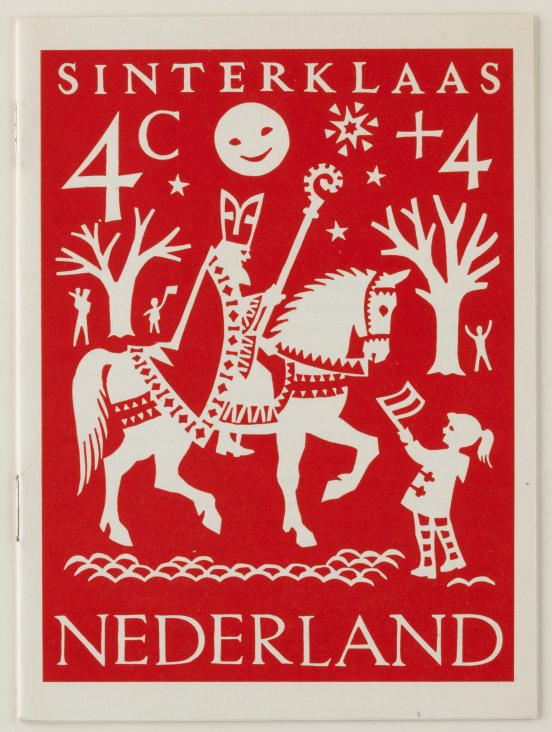
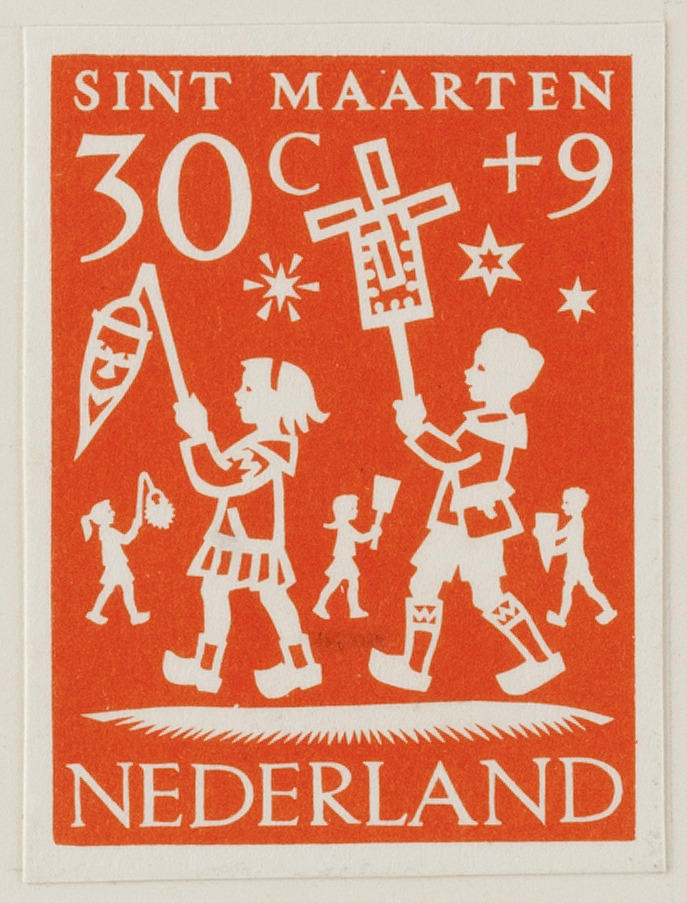
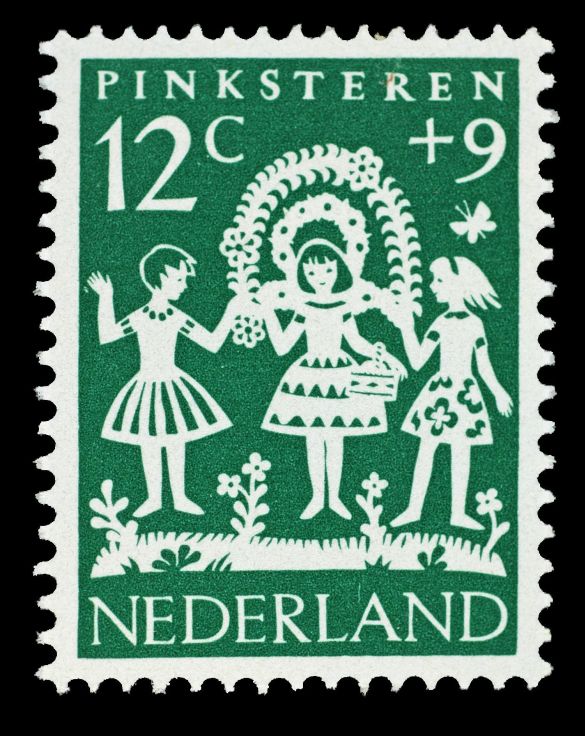
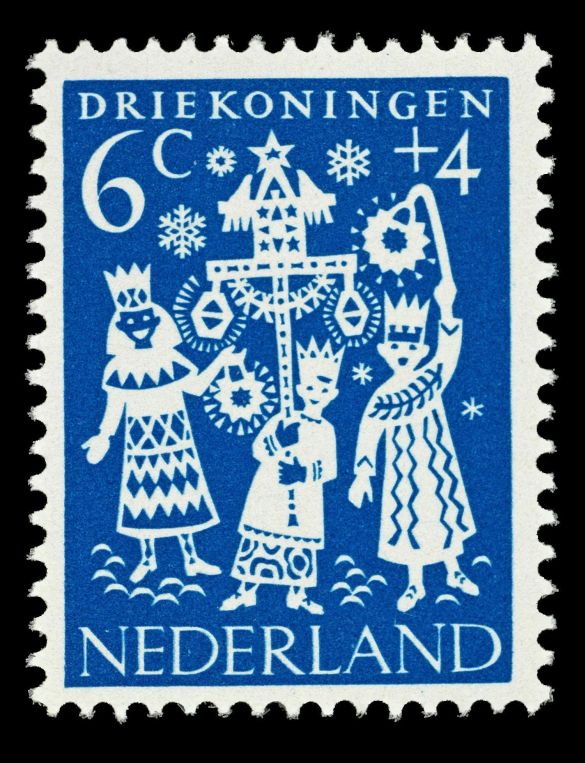
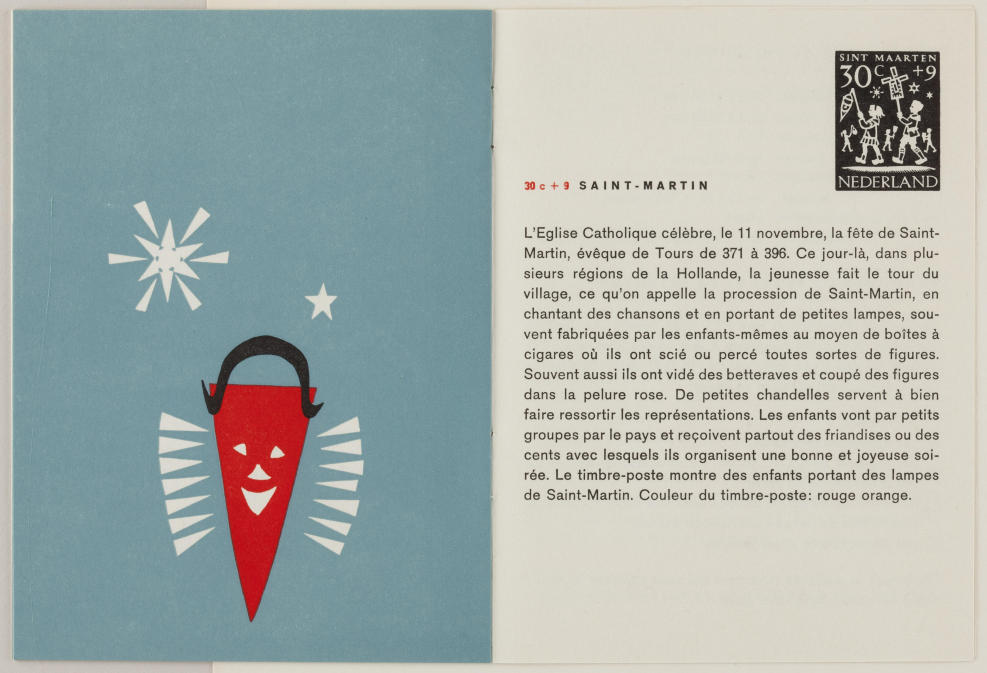
I just learned that the Netherlands has a long history of paper cuts, the artworks made by cuttiing a single sheet of paper. Hardly information about the Dutch tradition is available in English so I gathered together a few highlights. (Incidentally I also just found out there is a Jewish paper cut tradition going back 500 years. You may have seen Chinese paper cuts around; they’re much better known.) One Dutch paper cut artist I like a lot is Hil Bottema (1913-1968). Much of her work is printed matter based on paper cuts. I don’t know whether she did them originally as paper cuts or just drew them in that style.
My favorites are her New Year’s cards.. Click images to enlarge.
Postage stamps and pages from an informational booklet that accompanied them. The stamps are for Christmas and other holidays and have a surcharge that benefits children’s charities.
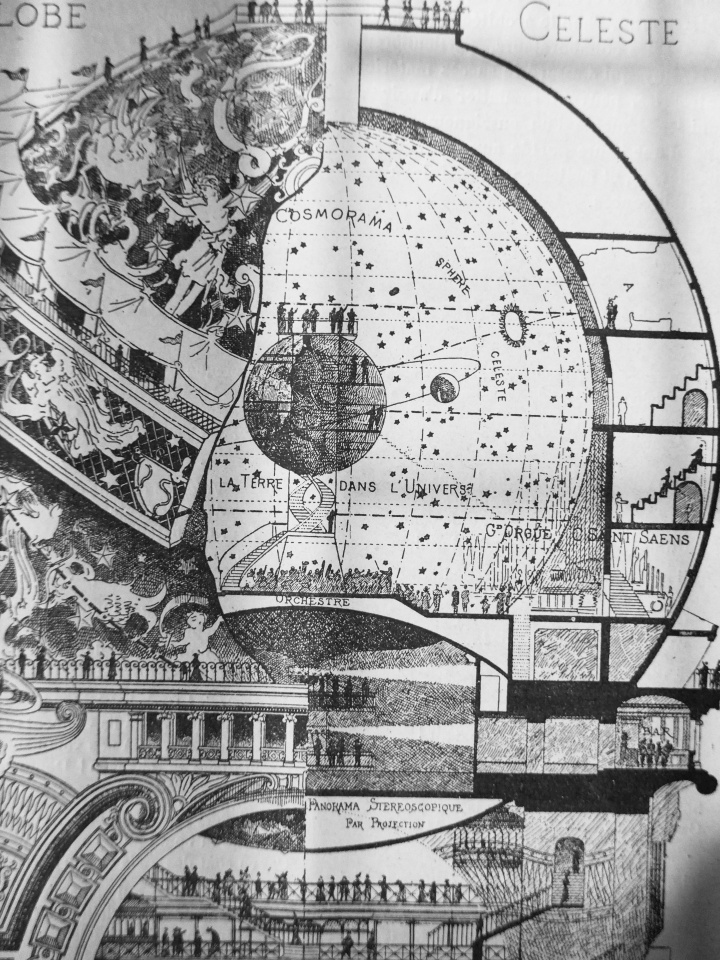
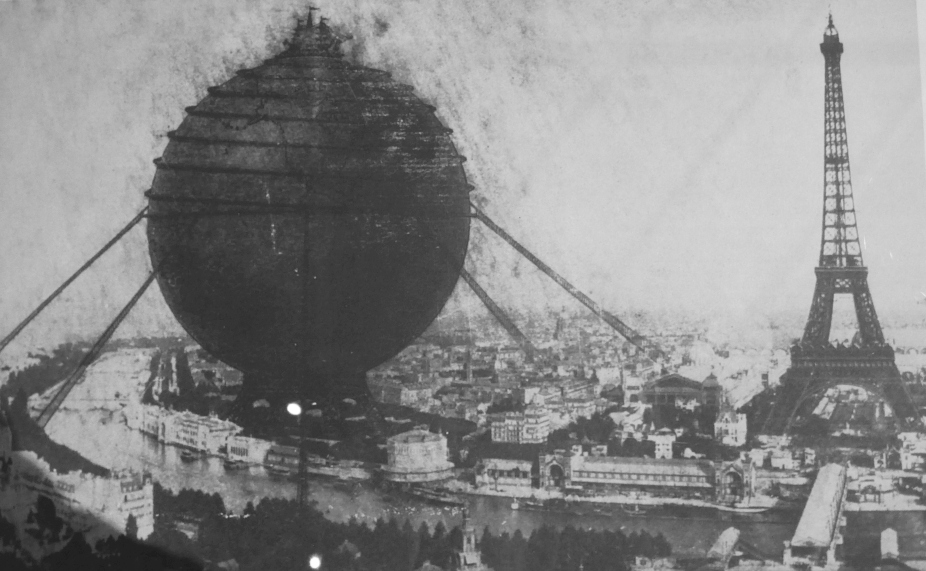
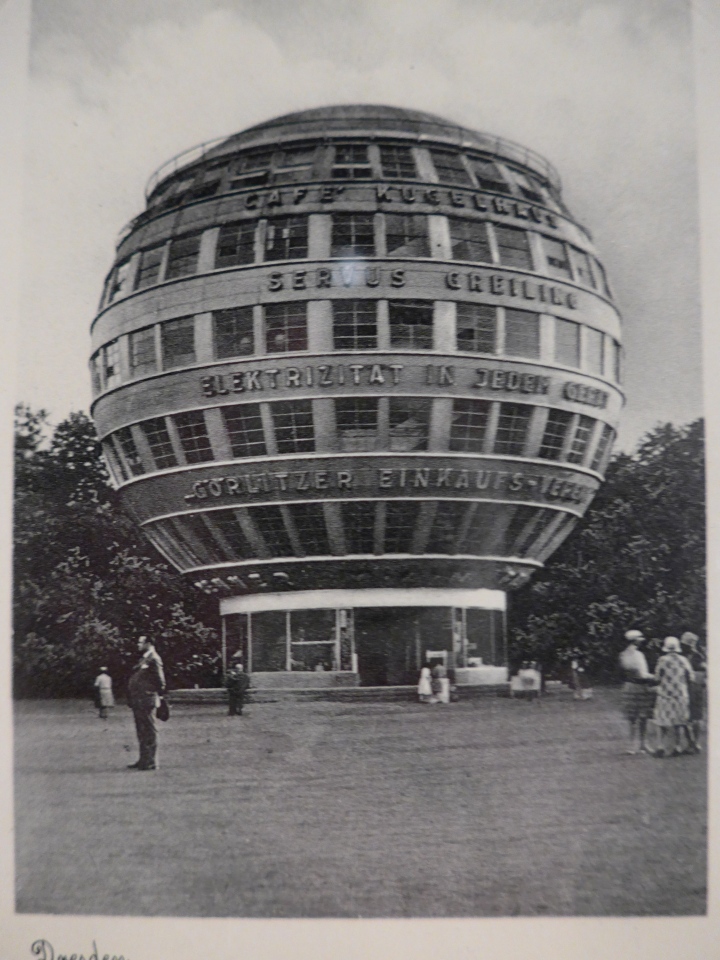
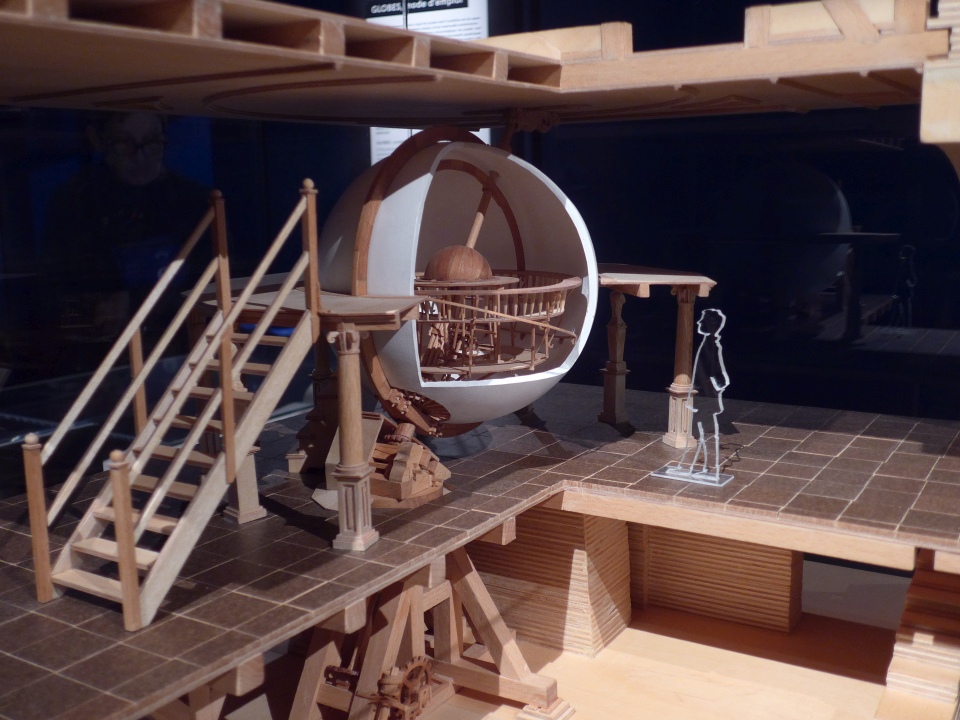
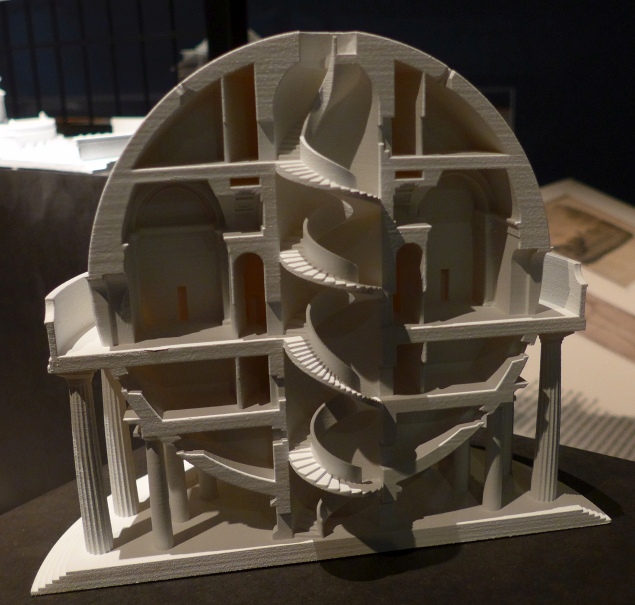
This was an exhibit on globe-shaped and globe-inspired buildings since 1700, some actually built and some just proposed, at a museum called Cité de l’Architecture (click to enlarge)
Pavilion at World’s Fair in Paris, 1900
This was built in Dresden in 1930 and destroyed in WWII
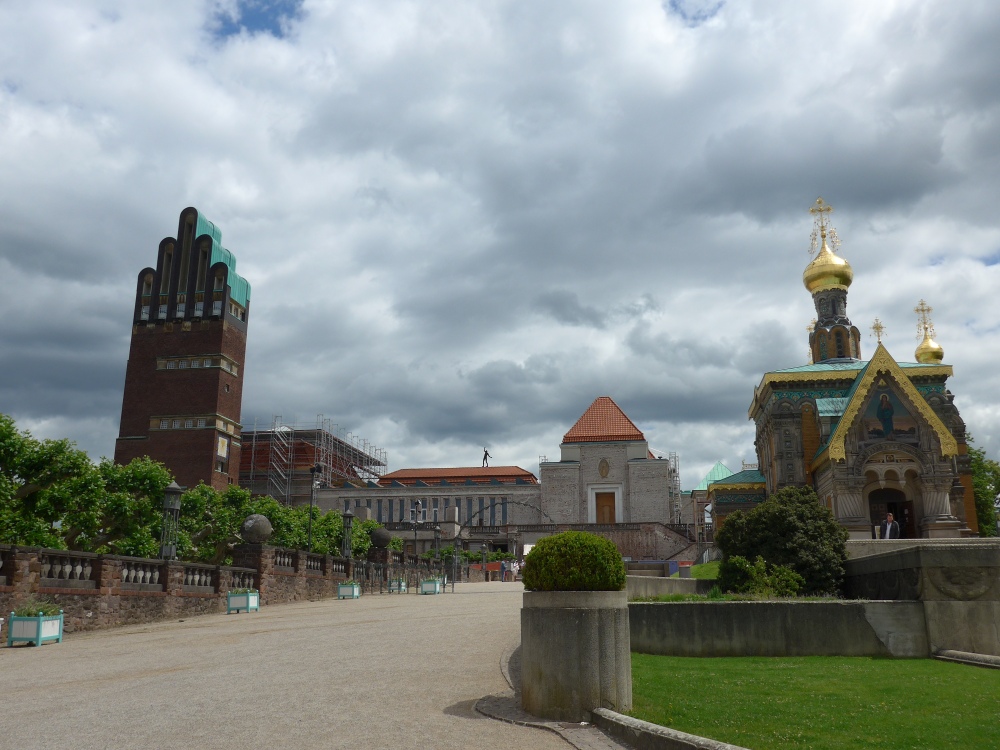
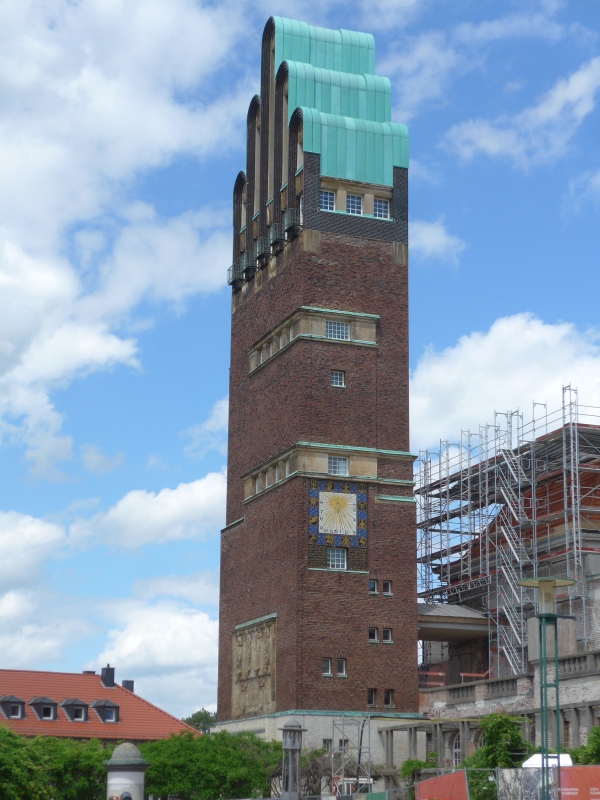
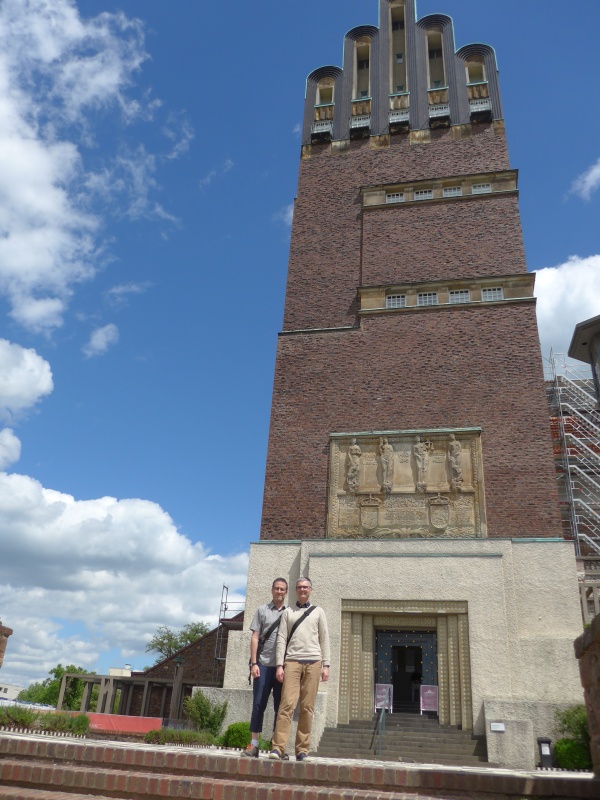
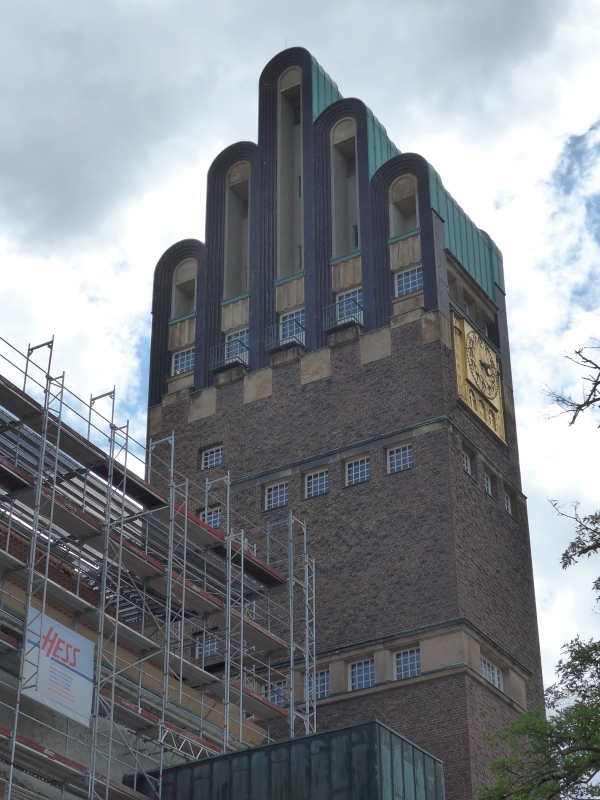
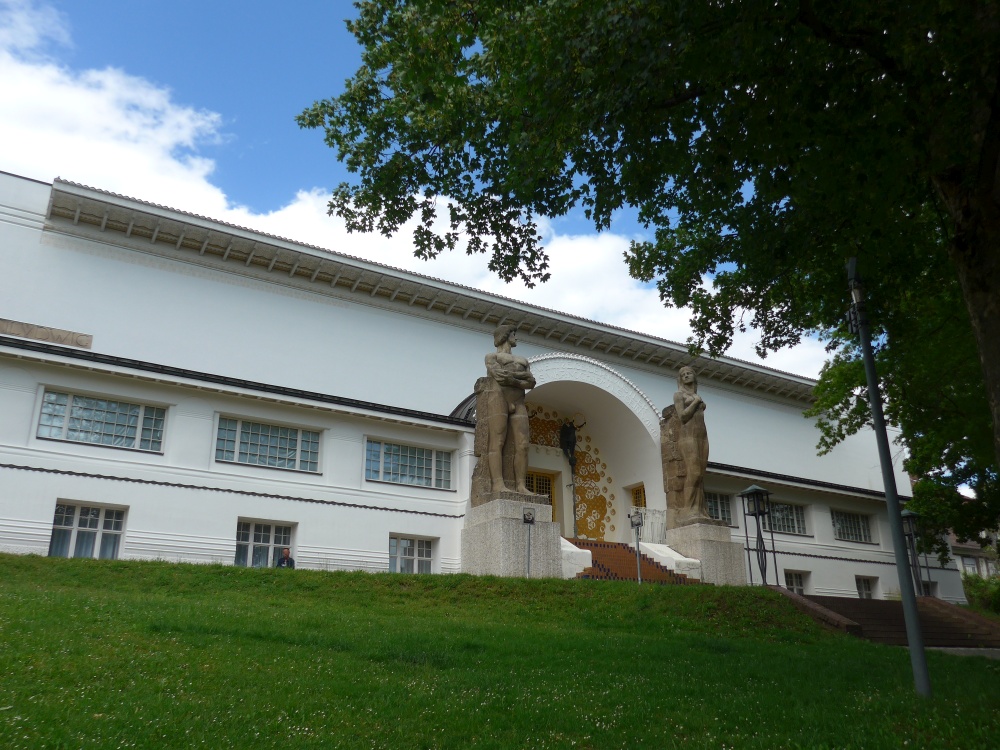
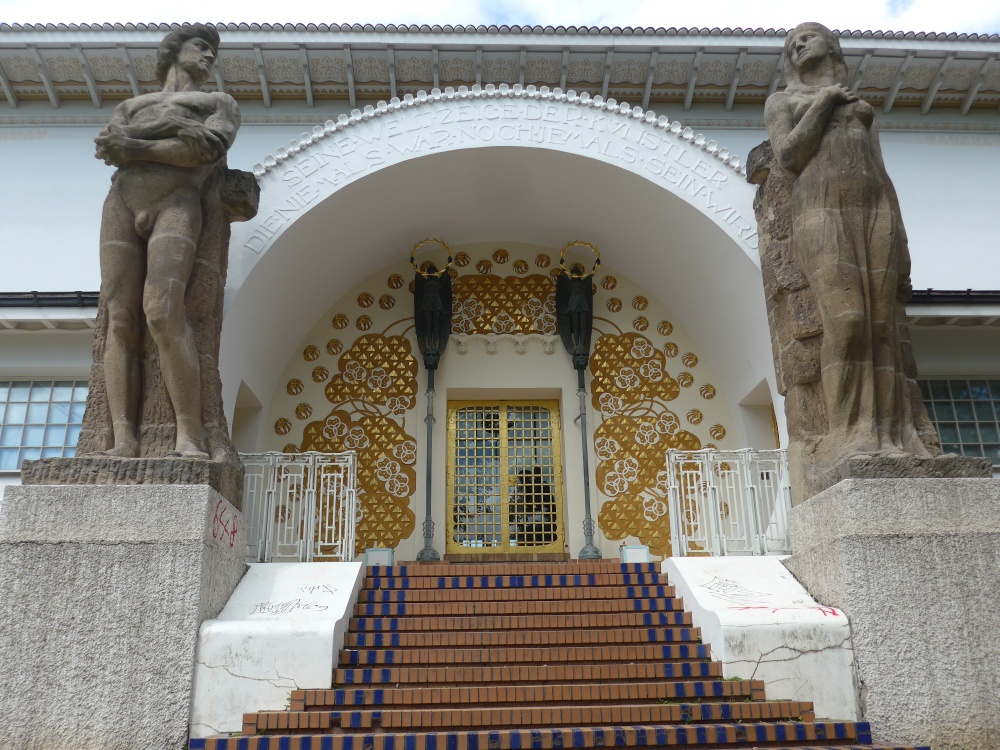
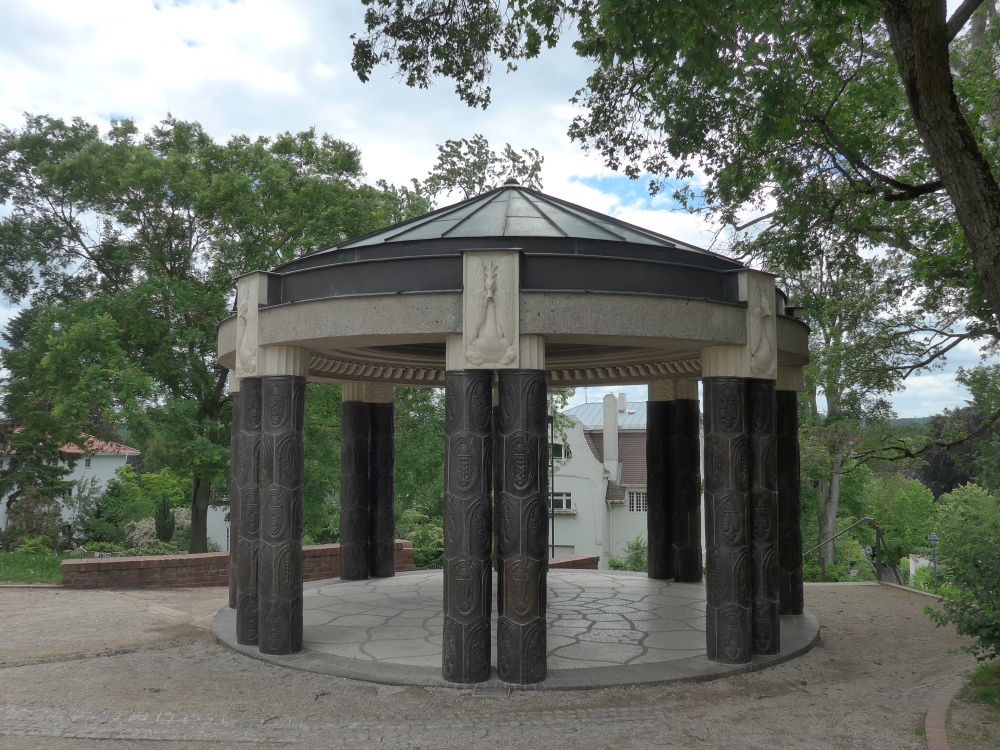
The Darmstadt Artists Colony is one of the world’s most important assemblages of art nouveau buildings, or as it is called in Germany, Jugendstil (“youth style” which got its name from an art magazine founded in 1896), consisting of exhibition halls, artist’s houses (mansions, really), a tower and various park features built from 1901 to 1914 on a hill in the western German city of Darmstadt. The architects were some of the era’s greatest such as Peter Behrens and Joseph Maria Olbrich of the Vienna Secession movement. They and the artists also designed objects such as furniture, ceramics, glassware, and printed matter and one of their principles was to integrate all the diverse media. They carried this out in the form of multidisciplinary exhibitions and built projects, most of which didn’t survive World War II or just changing tastes, such as cafes where they designed everything from the china and menus to furniture and wallpaper.
The whole thing was sponsored by a duke and the tower was just to commemorate his wedding. Each floor has one little room – top floor for visitors and receptions; lower floors for a marriage chamber and a registry office.
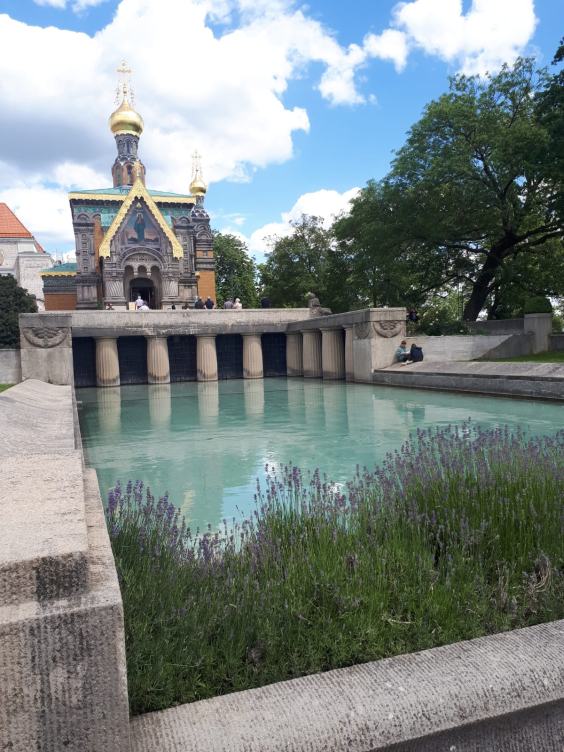
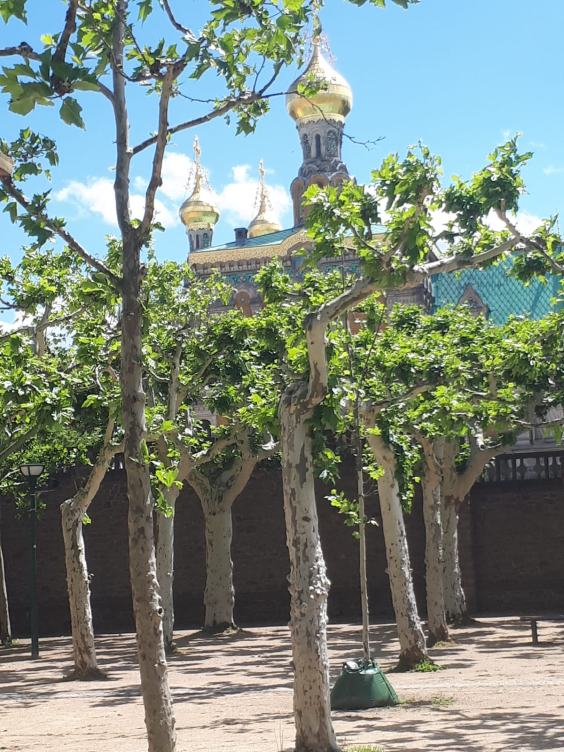
The surrounding grounds have a fountain, pavilion, tree plaza and so forth. Also there is an incongruous and unrelated Russian orthodox church which a czar built a couple years prior so he would have a place to pray when he visited. The site is under consideration for UNESCO World Heritage status.