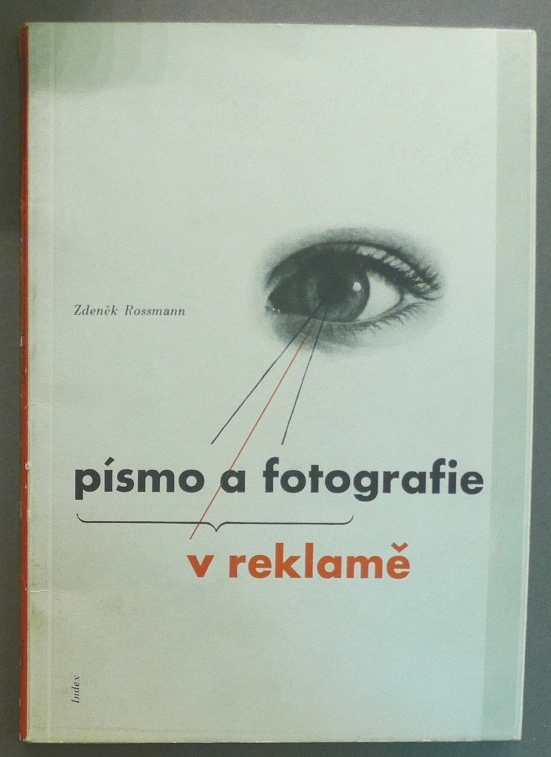
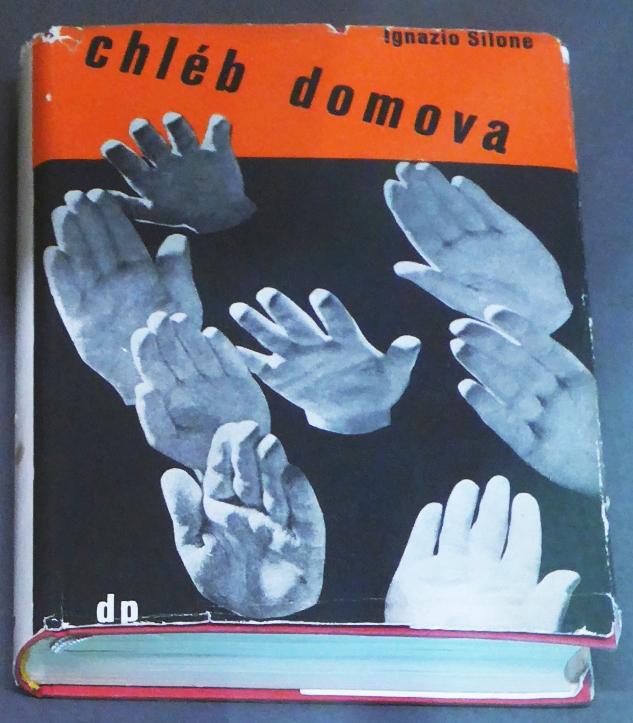
A few interesting and little-known works from the Symbolist and Surrealist movements.
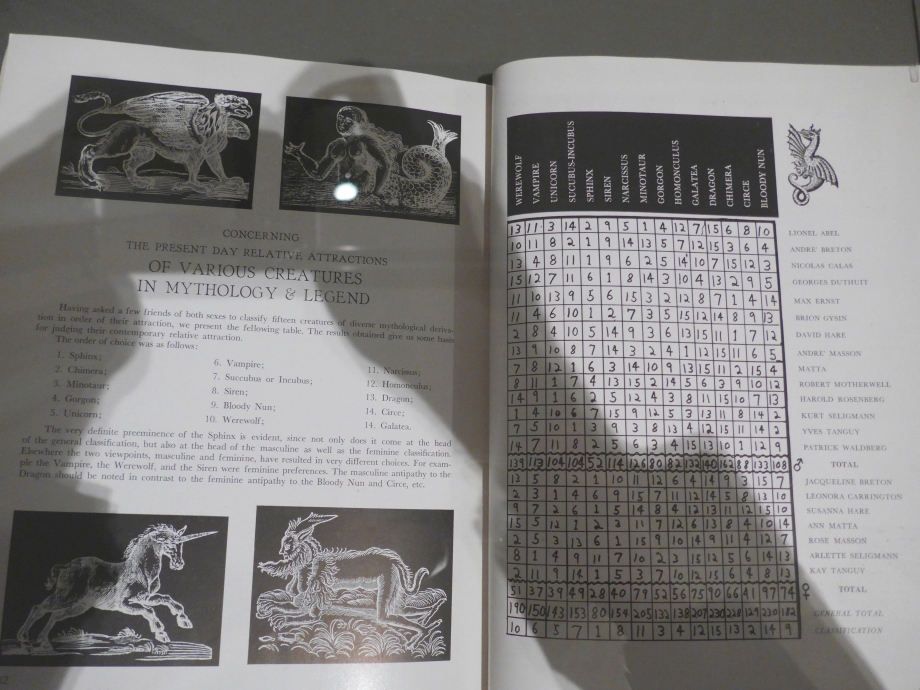
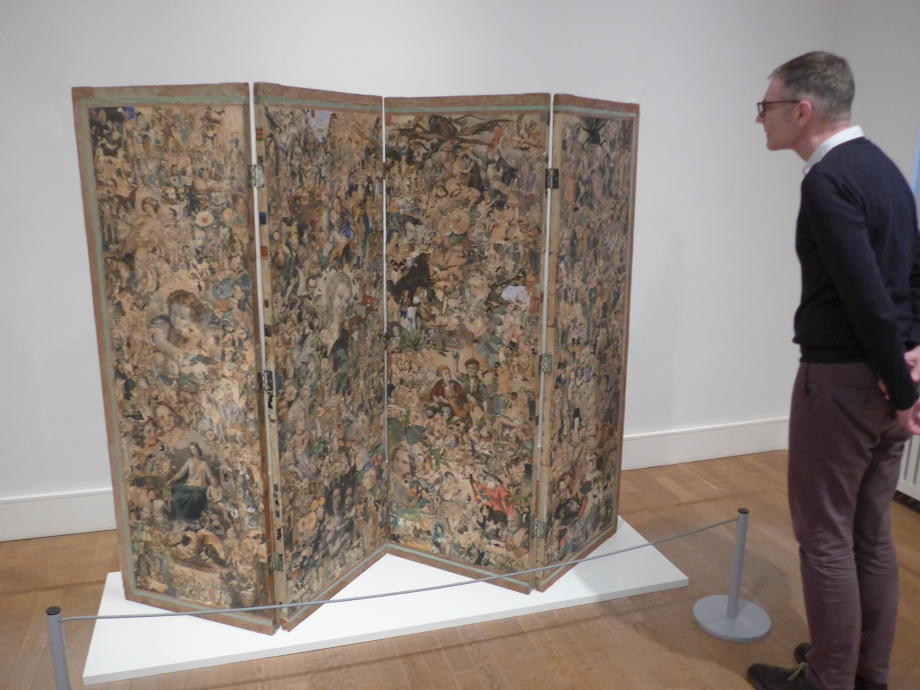
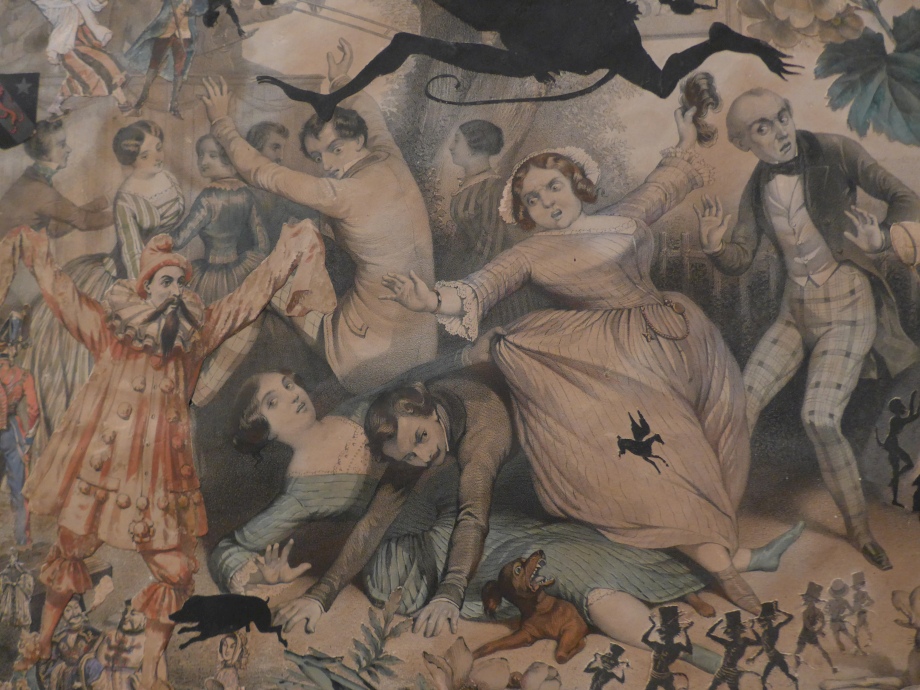
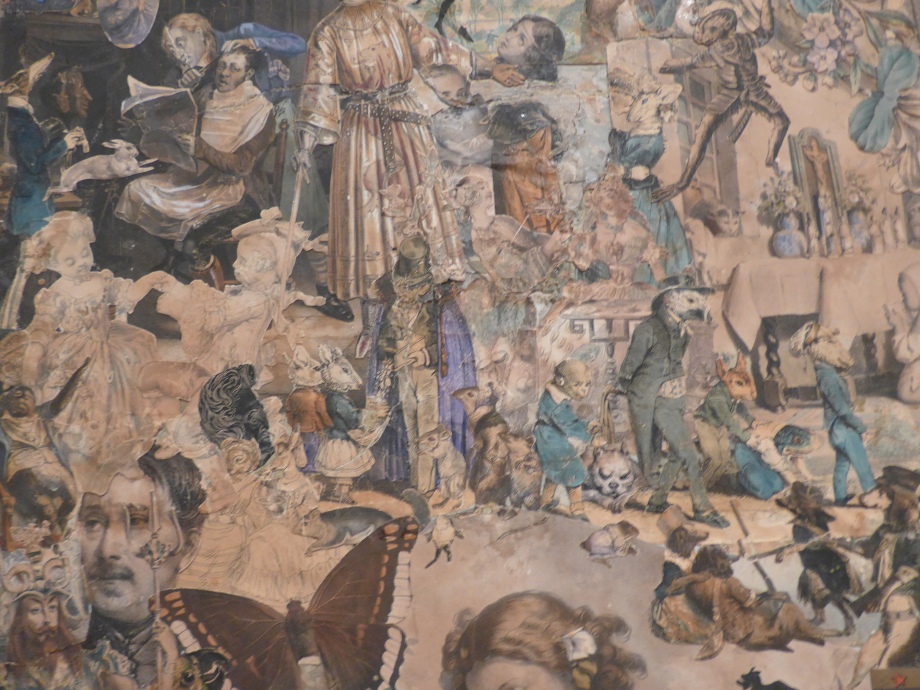
A few interesting and little-known works from the Symbolist and Surrealist movements.
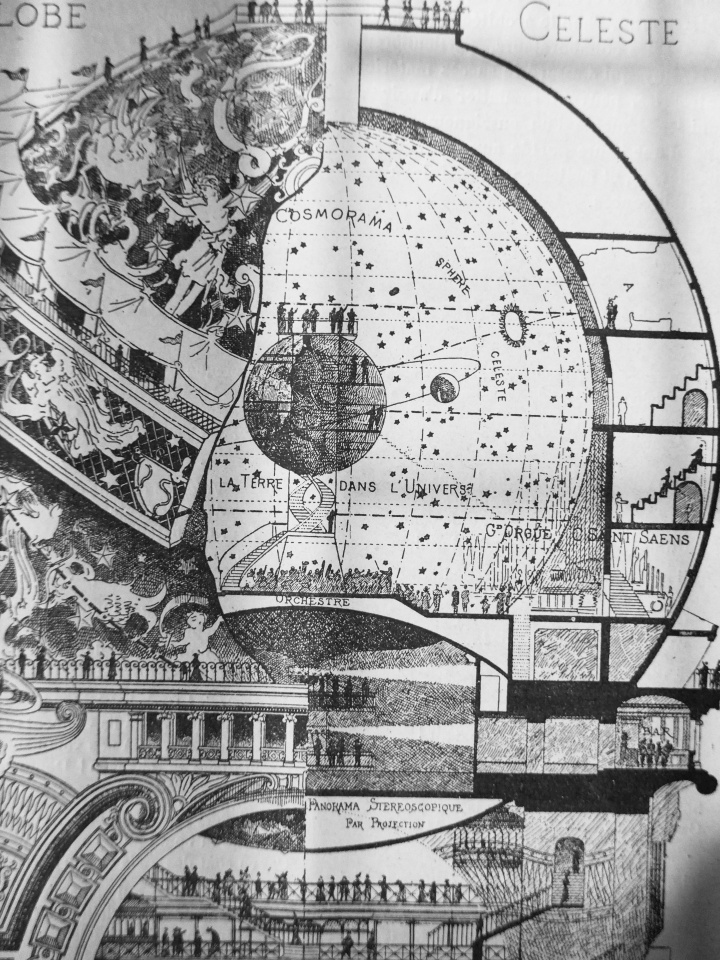
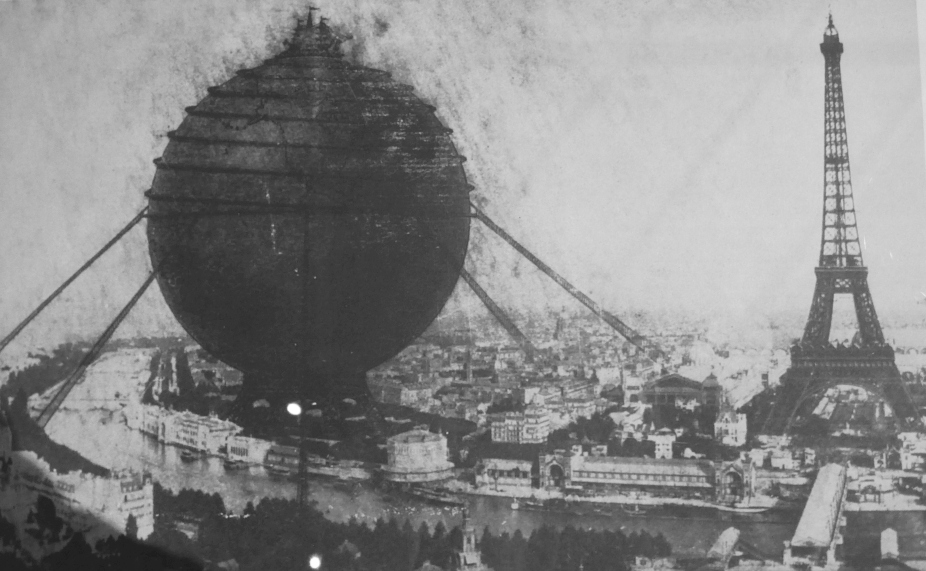
This was an exhibit on globe-shaped and globe-inspired buildings since 1700, some actually built and some just proposed, at a museum called Cité de l’Architecture (click to enlarge)
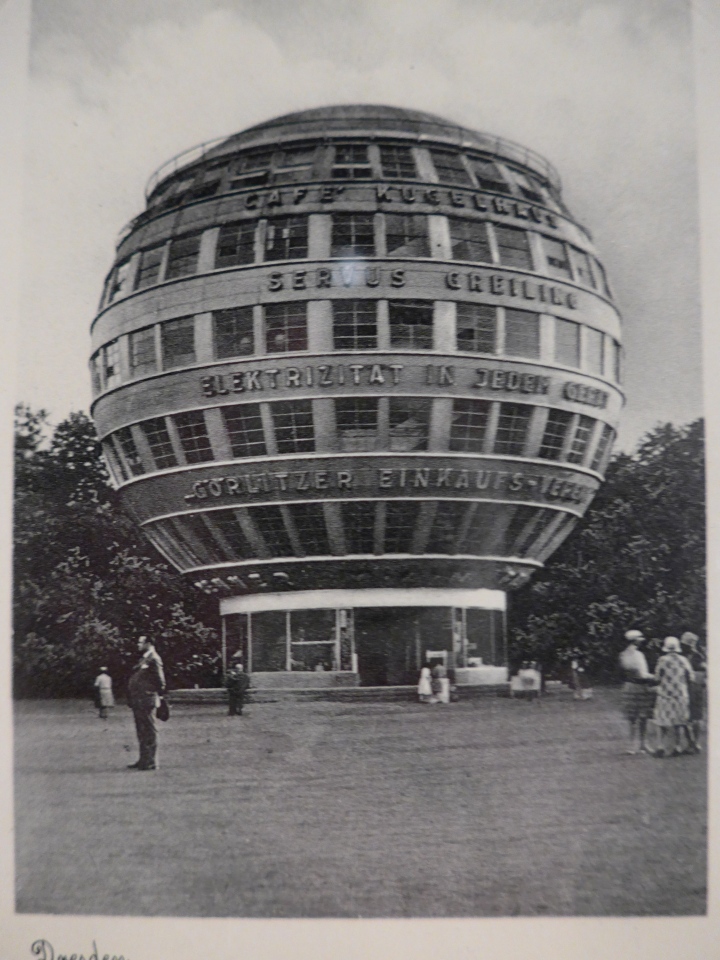
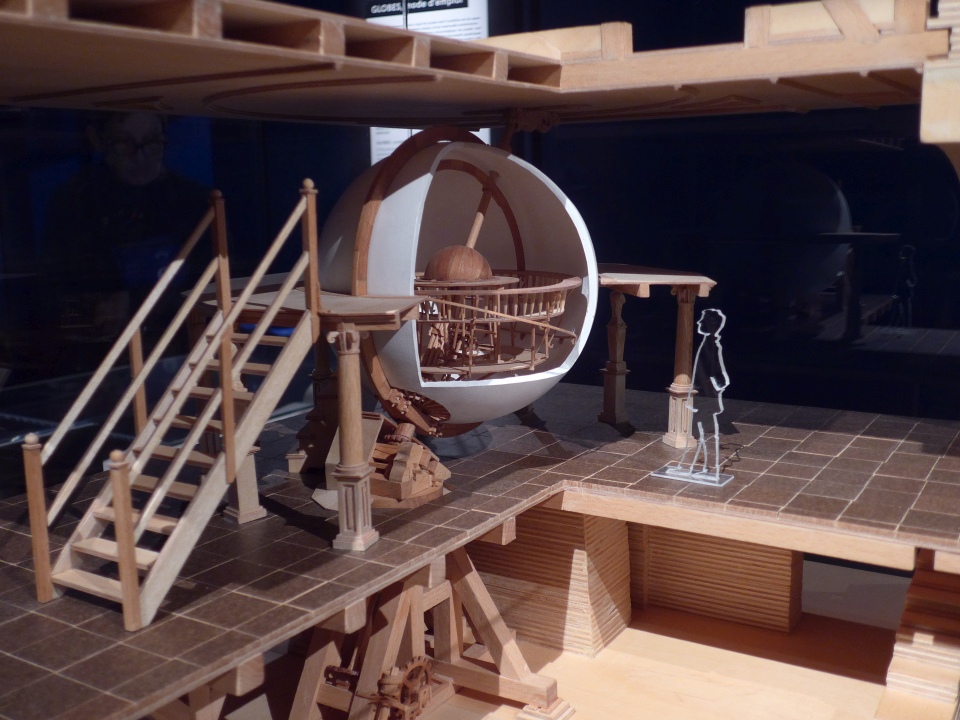
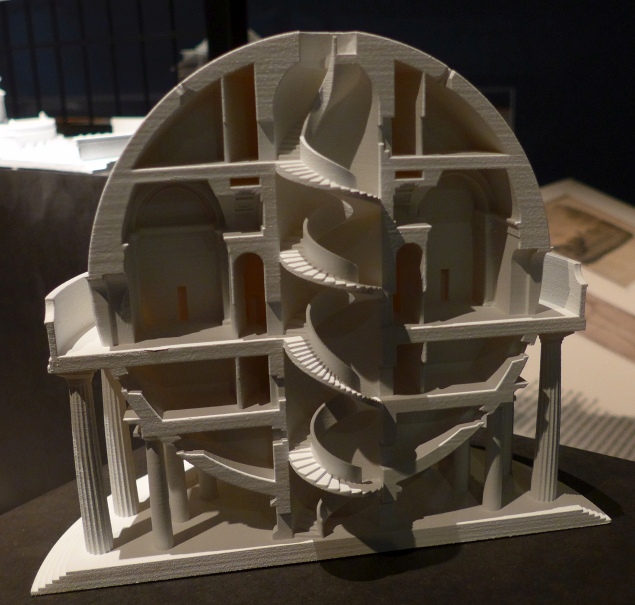
Continue reading “Exhibition in Paris: “Globes: Architecture and Science Explore the World””
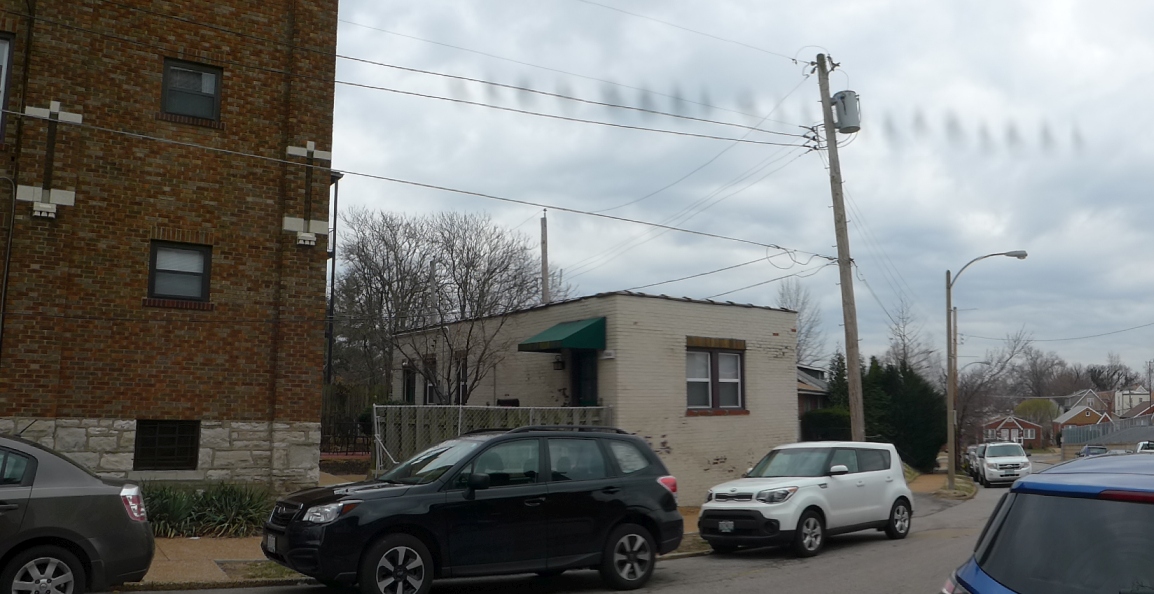
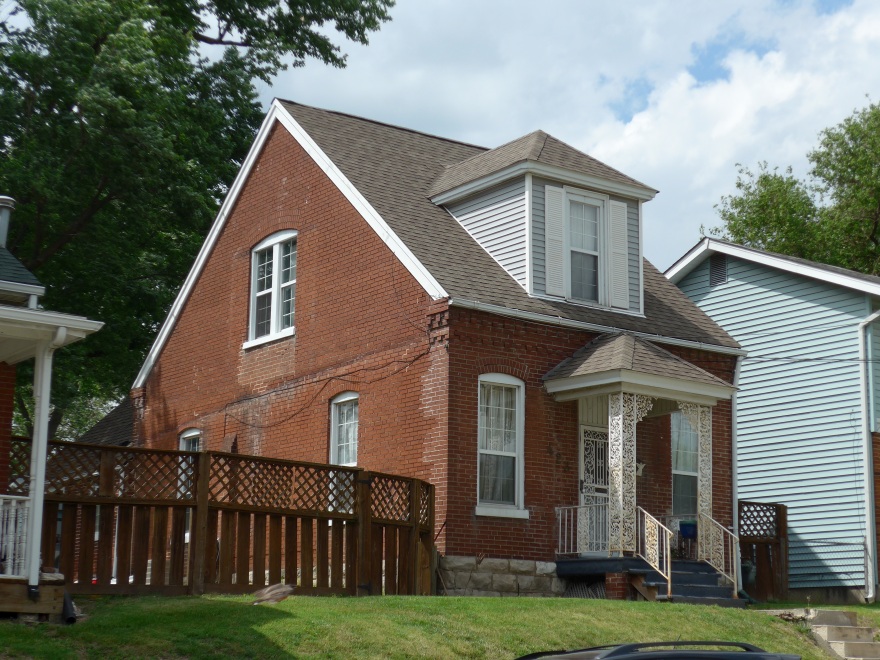
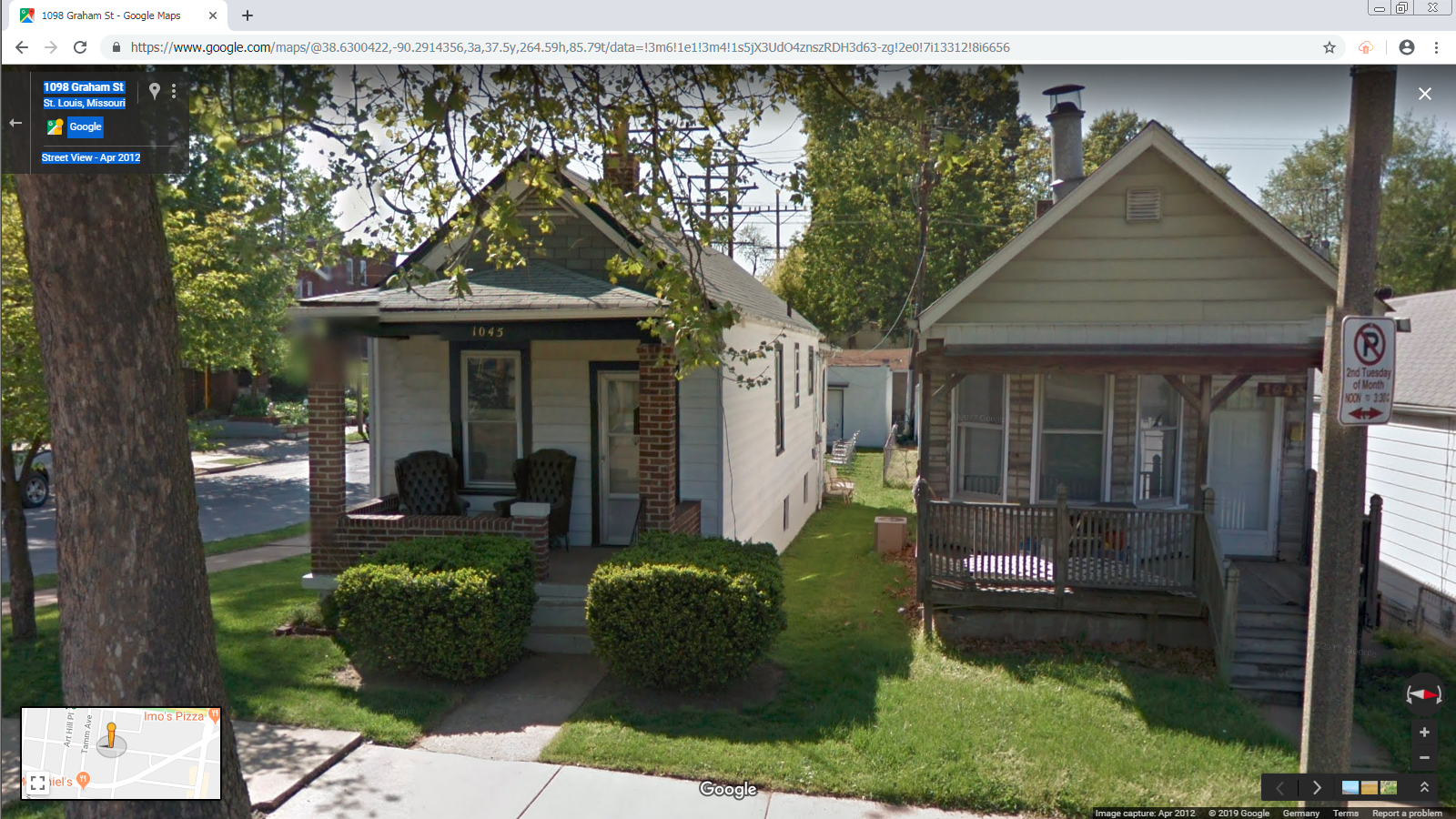
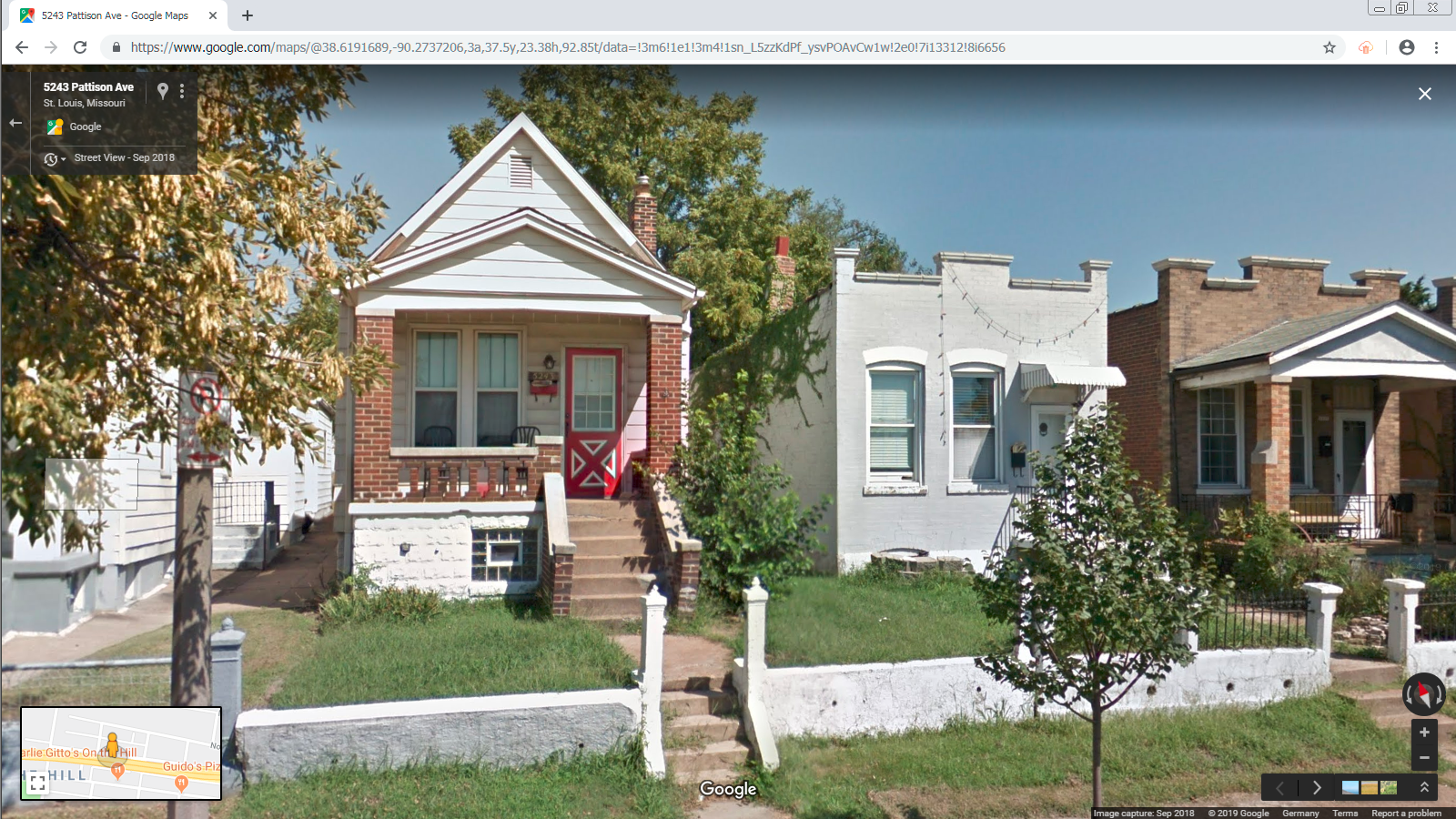
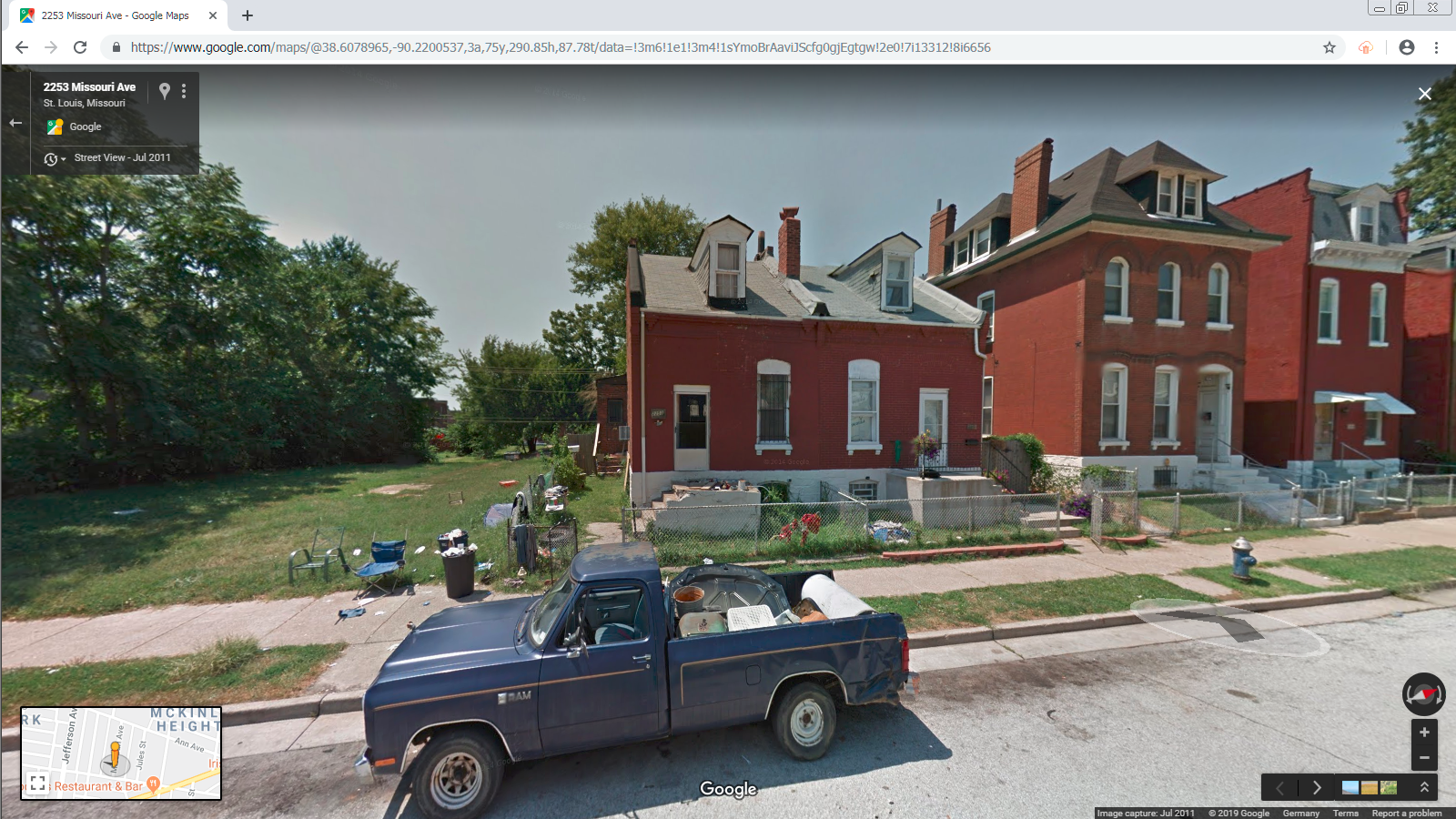
These are just some miscellaneous little houses in St. Louis that I wanted a friend to see. I didn’t have many photos of my own so some are from Google Street View.
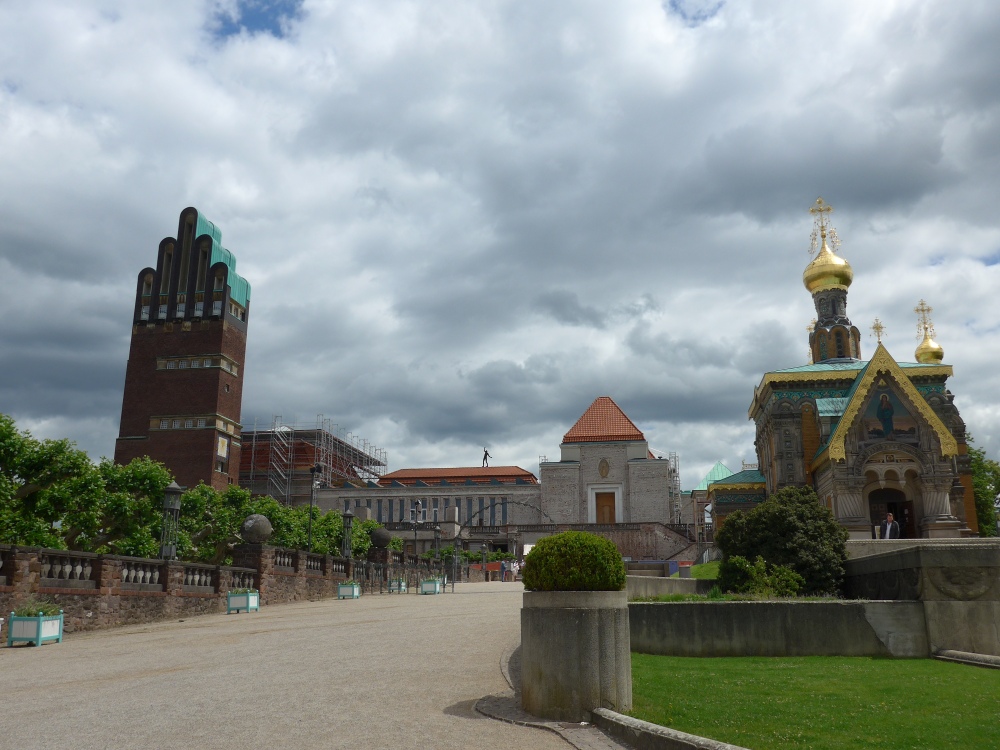
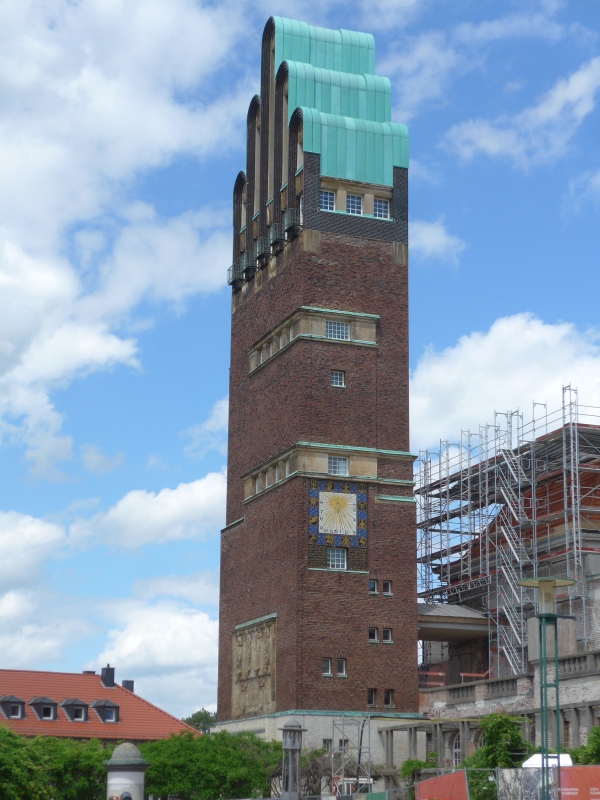
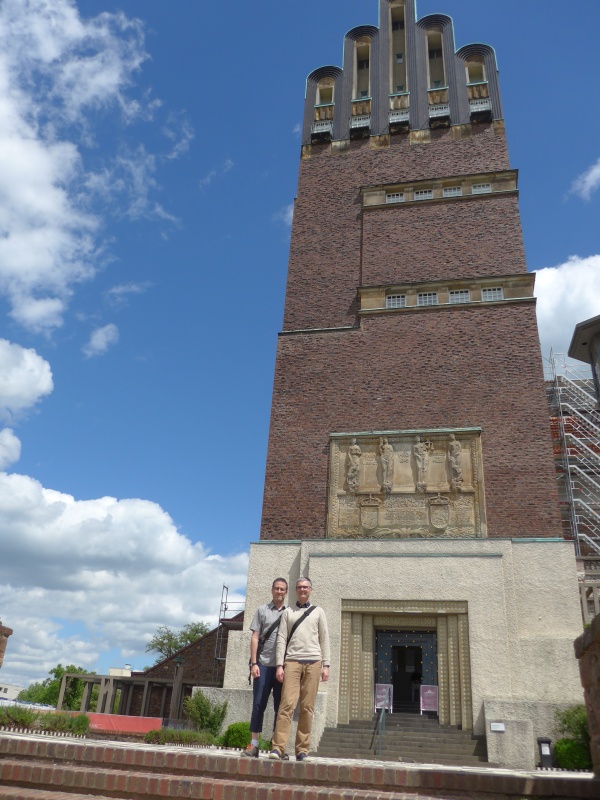
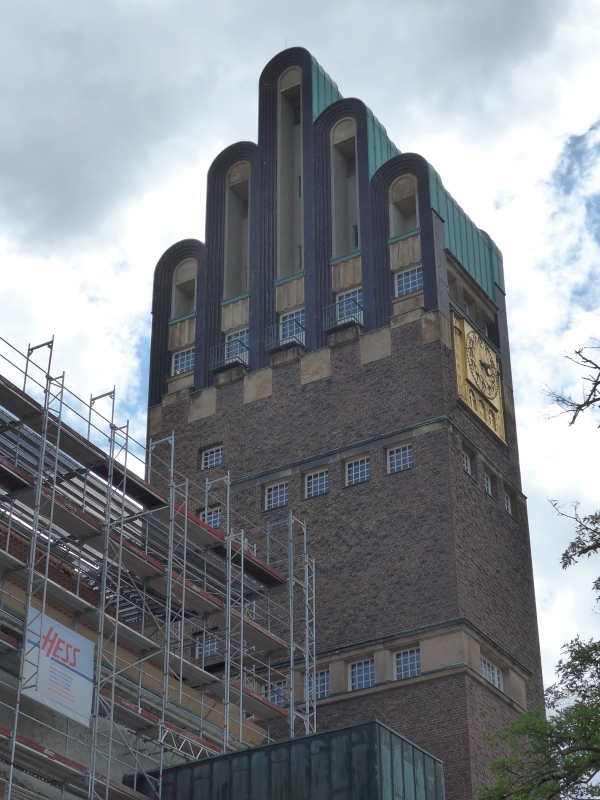
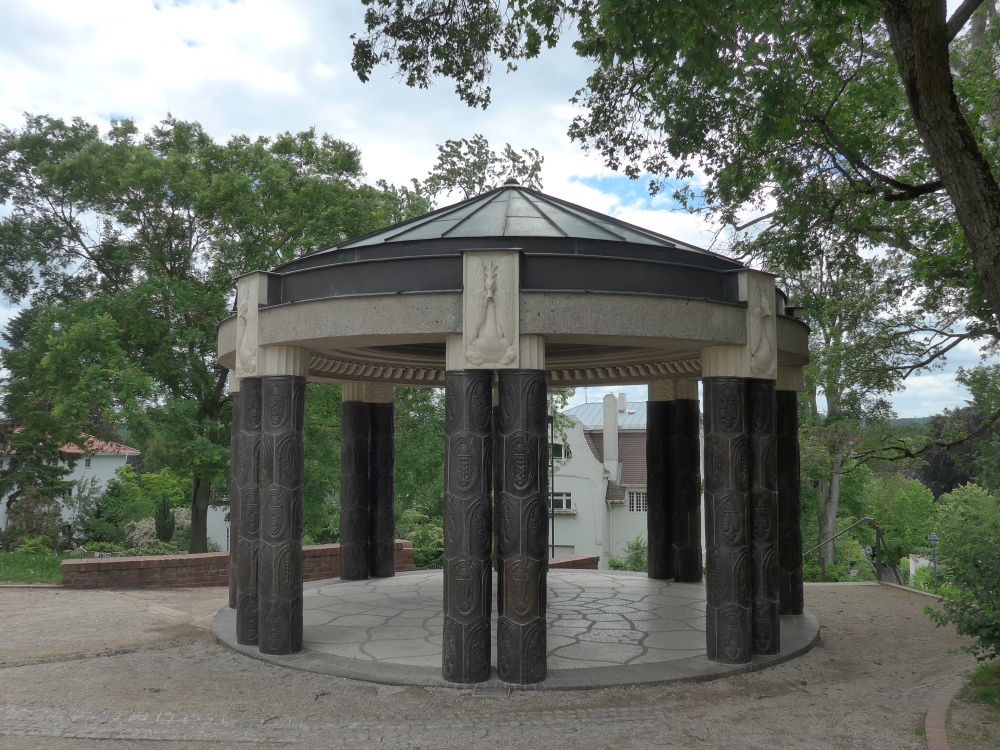
The Darmstadt Artists Colony is one of the world’s most important assemblages of art nouveau buildings, or as it is called in Germany, Jugendstil (“youth style” which got its name from an art magazine founded in 1896), consisting of exhibition halls, artist’s houses (mansions, really), a tower and various park features built from 1901 to 1914 on a hill in the western German city of Darmstadt. The architects were some of the era’s greatest such as Peter Behrens and Joseph Maria Olbrich of the Vienna Secession movement. They and the artists also designed objects such as furniture, ceramics, glassware, and printed matter and one of their principles was to integrate all the diverse media. They carried this out in the form of multidisciplinary exhibitions and built projects, most of which didn’t survive World War II or just changing tastes, such as cafes where they designed everything from the china and menus to furniture and wallpaper.
The whole thing was sponsored by a duke and the tower was just to commemorate his wedding. Each floor has one little room – top floor for visitors and receptions; lower floors for a marriage chamber and a registry office.
The surrounding grounds have a fountain, pavilion, tree plaza and so forth. Also there is an incongruous and unrelated Russian orthodox church which a czar built a couple years prior so he would have a place to pray when he visited. The site is under consideration for UNESCO World Heritage status.
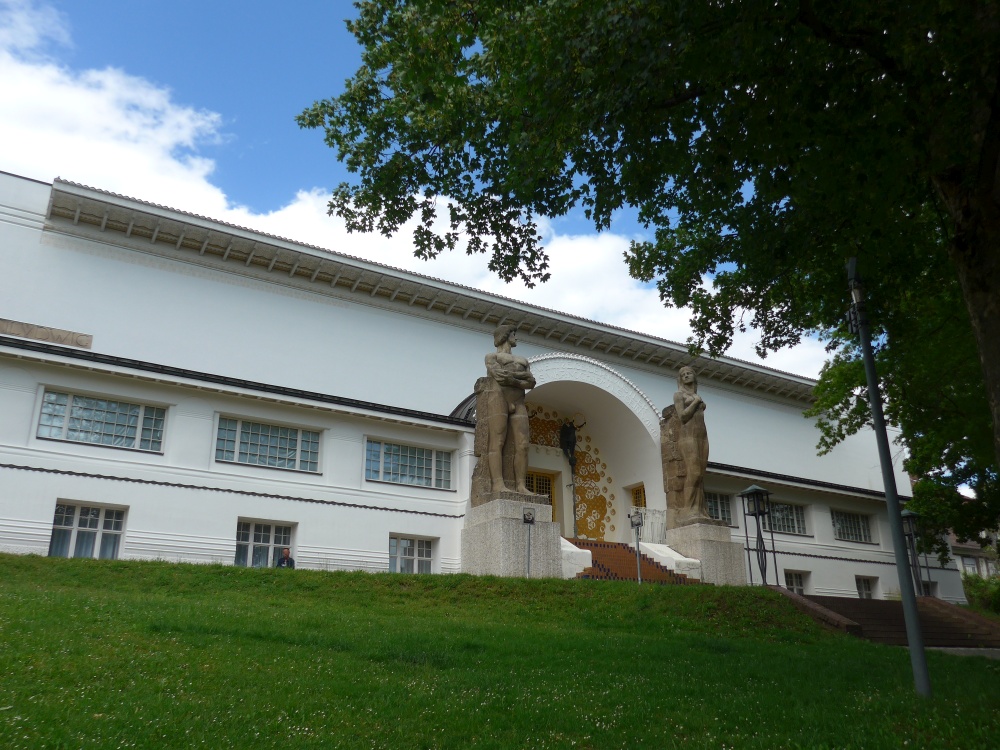
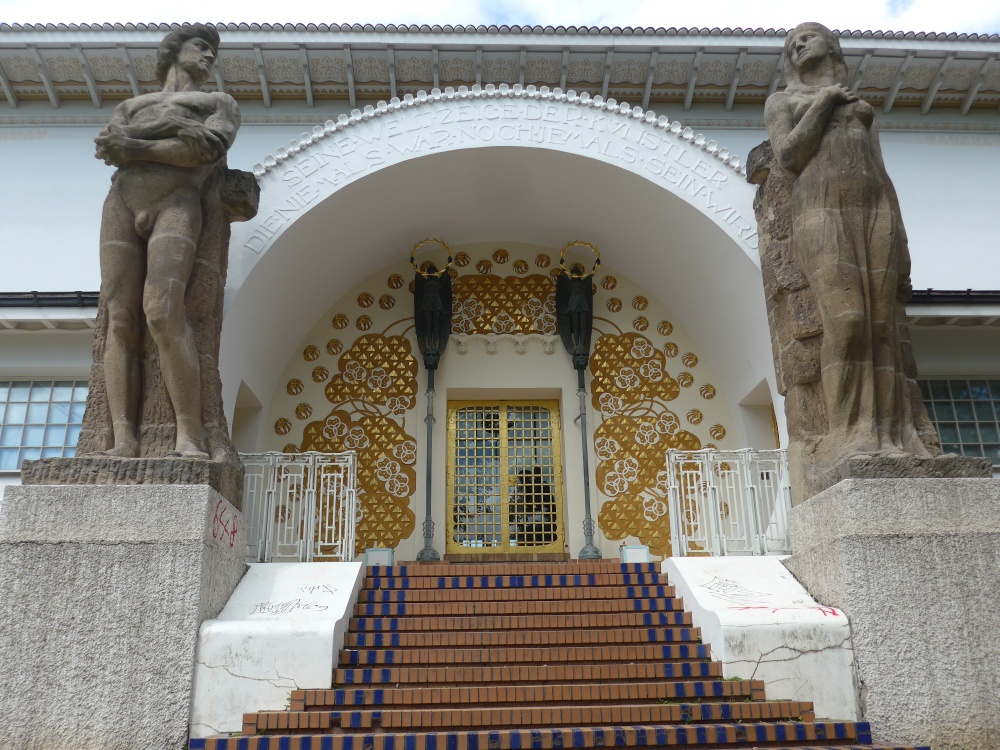
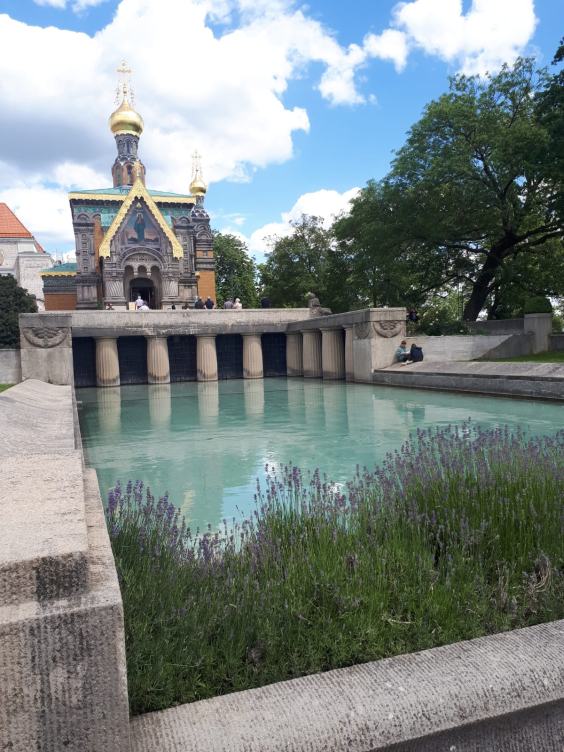
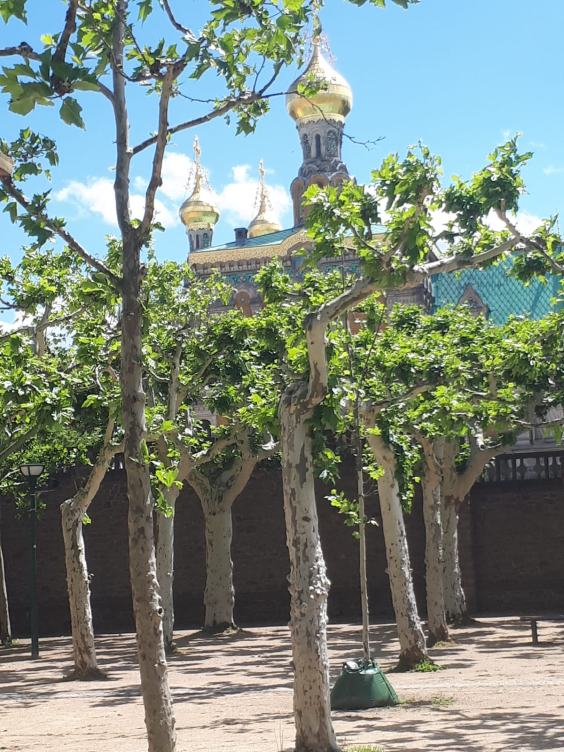
Continue reading “The Art Nouveau artists’ colony at Darmstadt”
Below is my translation – with footnotes to explain important points that non-Germans won’t know about – of a hilariously and brutally dismissive article from May 2019 about a luxury condo building in Berlin by the star architect Daniel Libeskind, from the Süddeutsche Zeitung, Germany’s leading liberal-center-left newspaper (out of Munich; the only national newspaper based in Berlin is conservative, which is a good example of how Berlin’s progressive reputation is nowadays mostly a myth, which is one of the main points of the article, but we’re getting ahead of ourselves). The back story is that Berlin is undergoing gentrification at a hyperspeed the likes of which has never happened in the U.S., not even in San Francisco or New York, and that German people, and architects everywhere, generally agree Berlin has the worst modern architecture of any major European city. I added footnotes for clarification.
Translucence – and raw pork for breakfast: A Libeskind penthouse in Mitte is for sale. A visit explains a lot about the current state of affairs in the capital
What was that Klaus Wowereit said about Berlin? Poor but sexy?(1) Now, centuries later, when you stand on the roof terrace of the Sapphire – which naturally is pronounced in English, like everything in Berlin that’s meant to not sound like Berlin and ends up sounding more like pickled eggs(2) than a precious stone – it fully sinks in how the expression belongs to a truly bygone era. Continue reading “Berlin – “The ugliest, most desolate building in world history””
When the editor of Berlin’s leading newspaper describes the city’s core defining ethos as “premeditated incompetence”, and surveys rank it as the Germans’ least-liked German city, and pregnant women are discouraged from visiting it altogether due to its deficient health care, and the pre-eminent LGBT world travel guide puts Berlin on its “Avoid” list due to its homophobia, it’s time to ask, are the auras of Cabaret and David Bowie alone really enough to constitute a great world-class, or even baseline functional, city? Because Berlin is still, in 2017, to a large extent living off the residue of this aura rather than moving forward and evolving, or even just tangibly maintaining it. For 30 years now since the fall of the wall, the city has been drawing down its figurative capital, running on fumes.

Continue reading ““Berlin: In Love with Failure” – Die Zeit magazine”
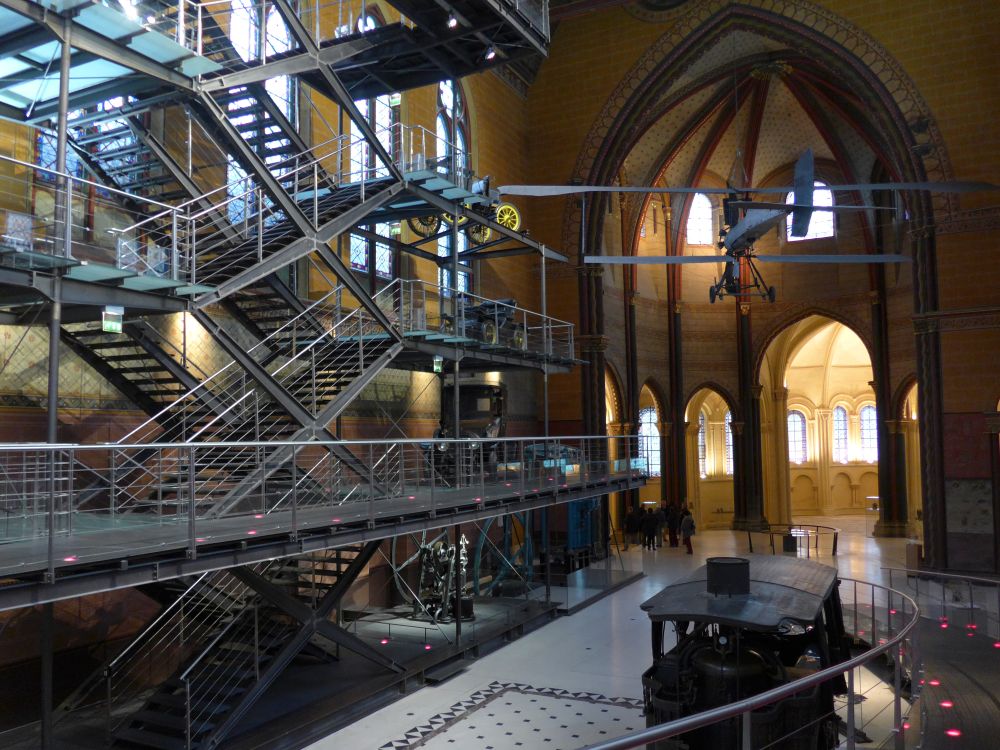
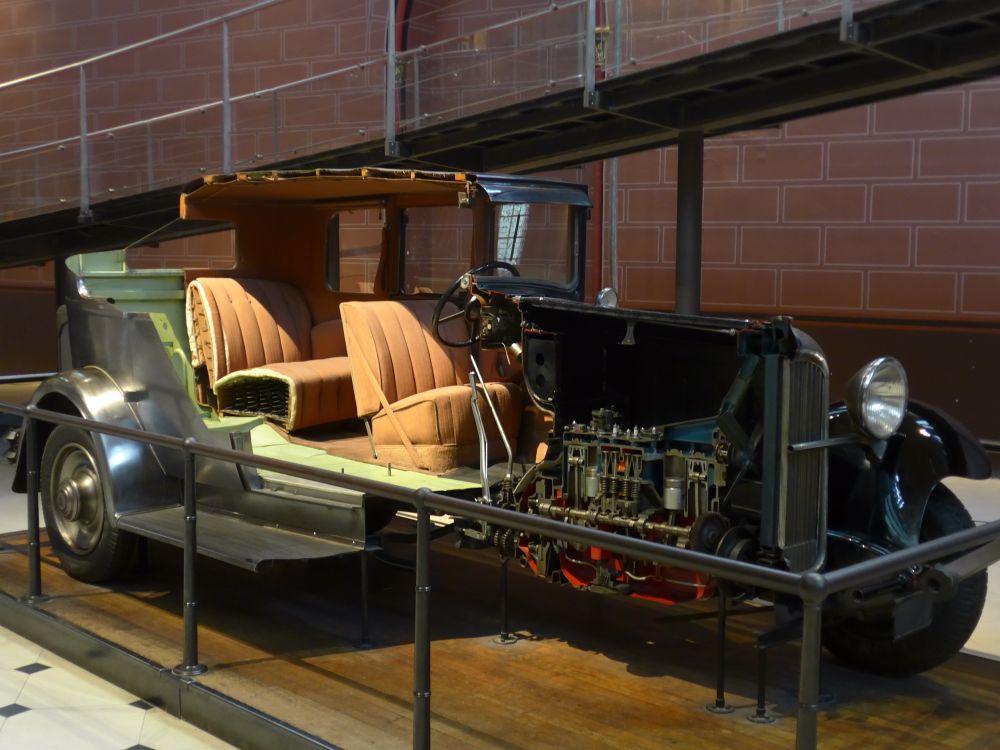
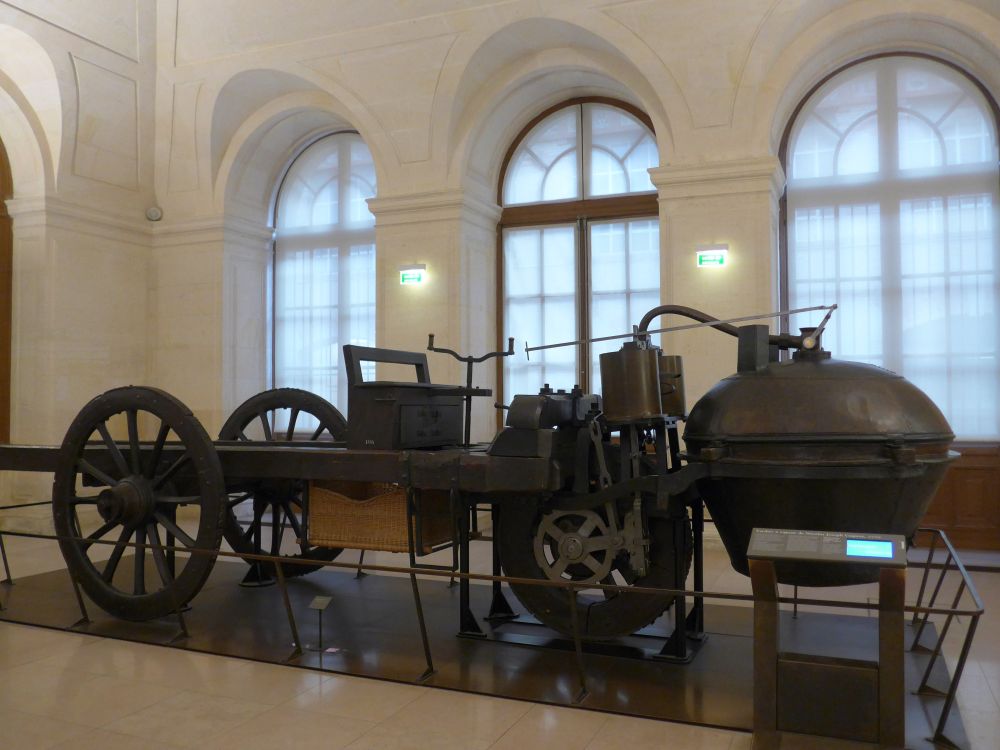
The Musée des Arts et Métiers (“Arts and Trades”) is an historical museum of engineering, communications, construction, transportation, materials and scientific instruments. Nowadays we’d call it technology but the word wasn’t in use when the museum was founded in 1794. The term arts et métiers dates back to the middle ages and meant any kind of economic activity that isn’t agriculture or trade.
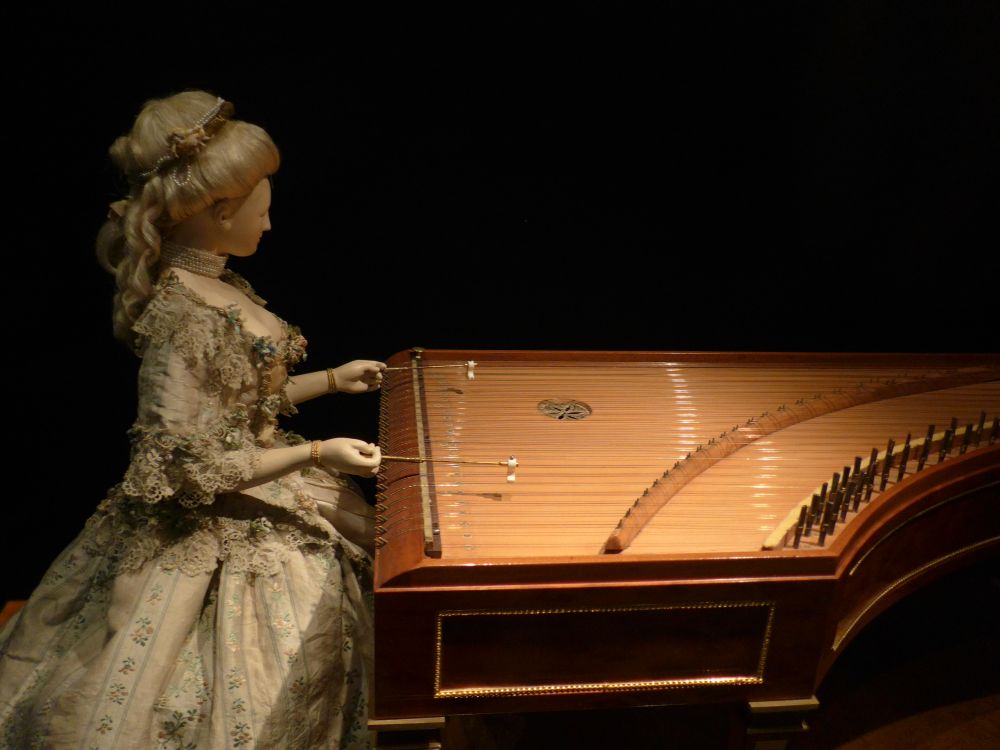
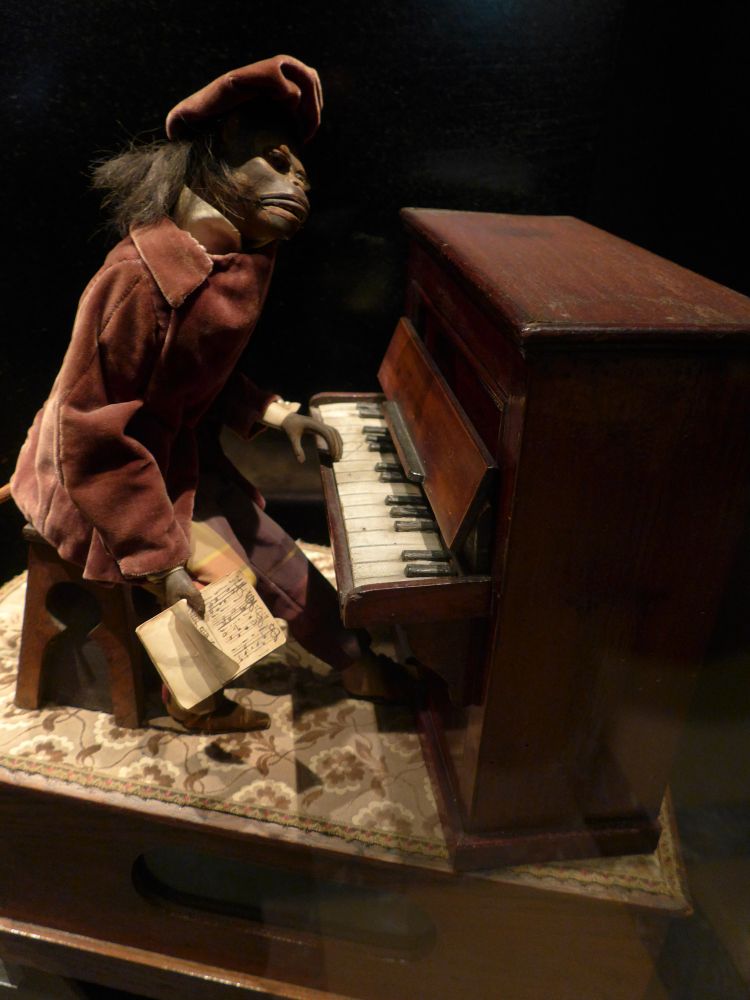
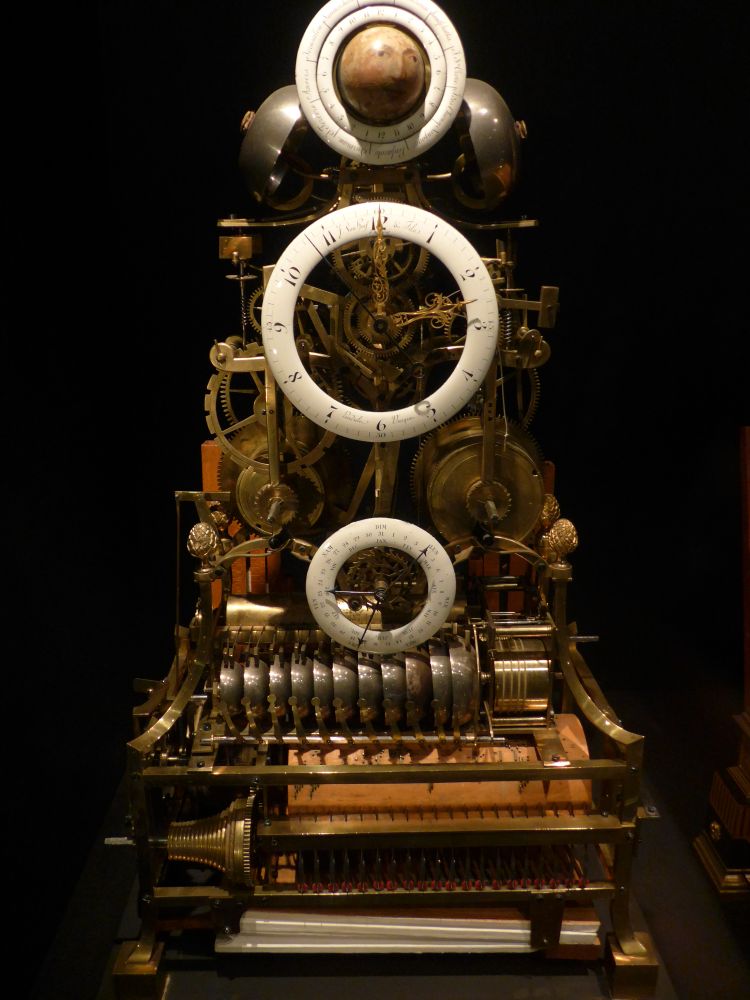
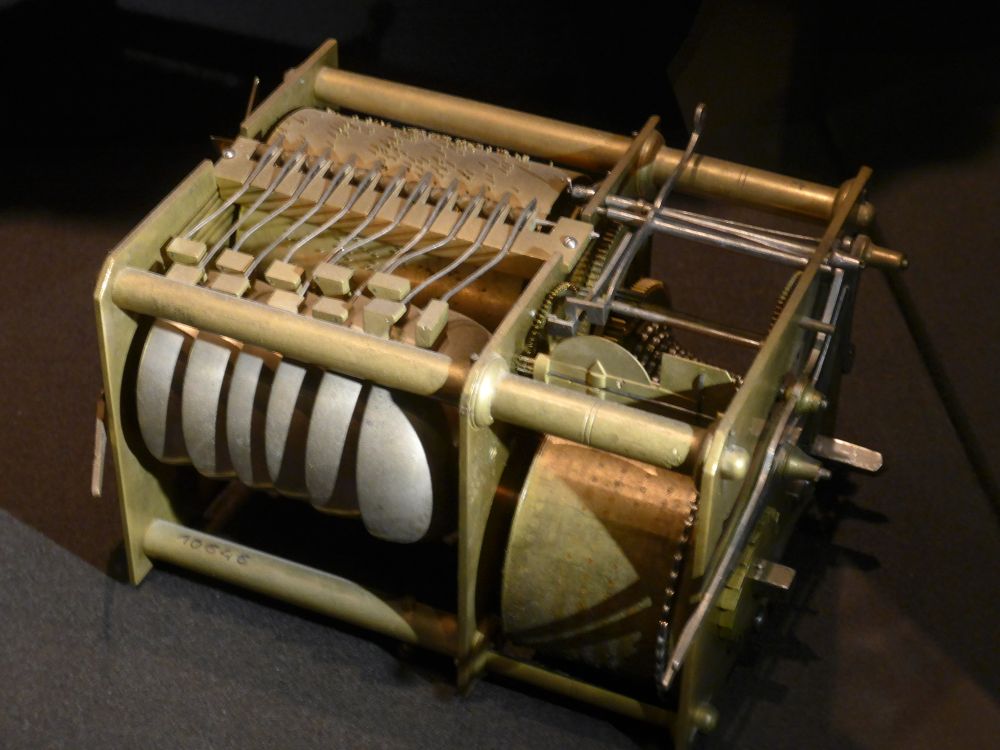
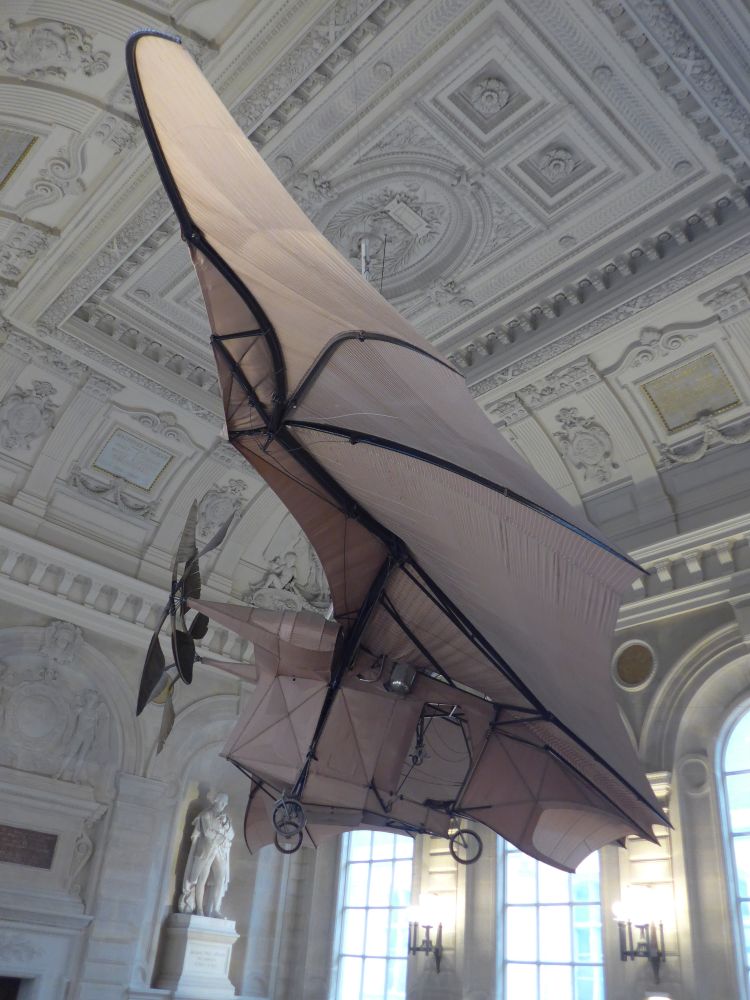
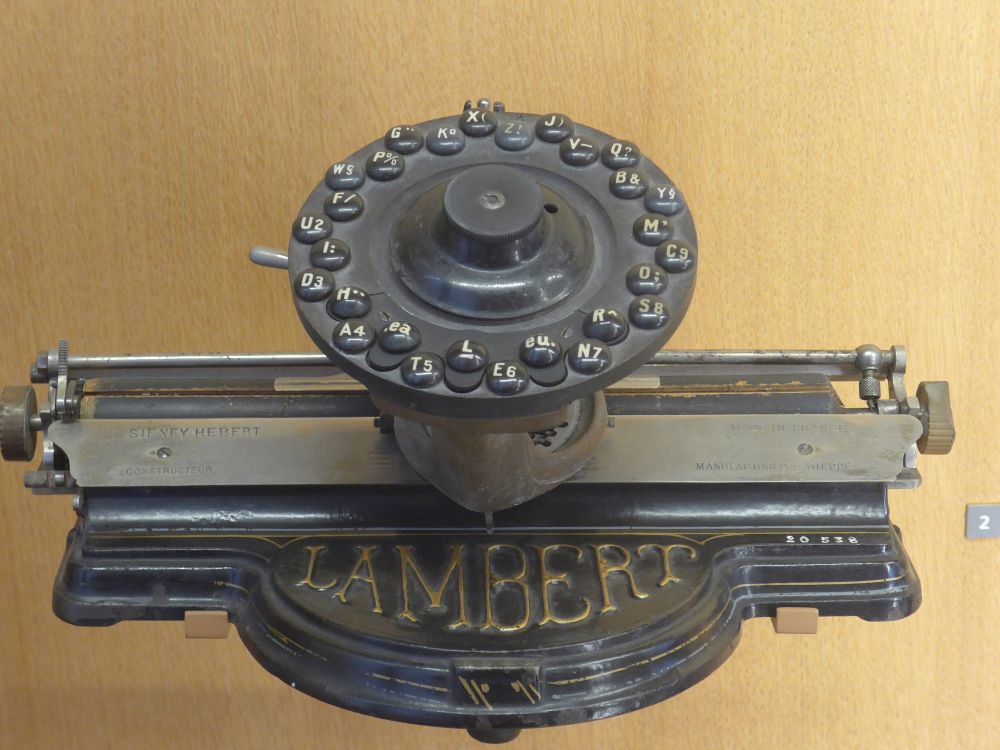
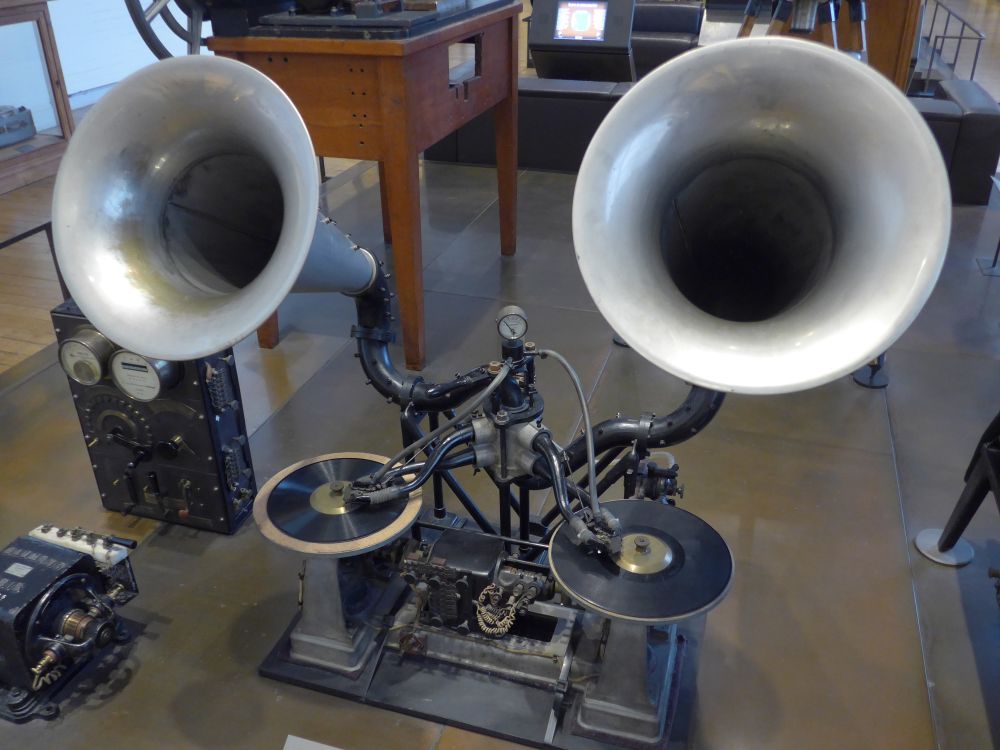
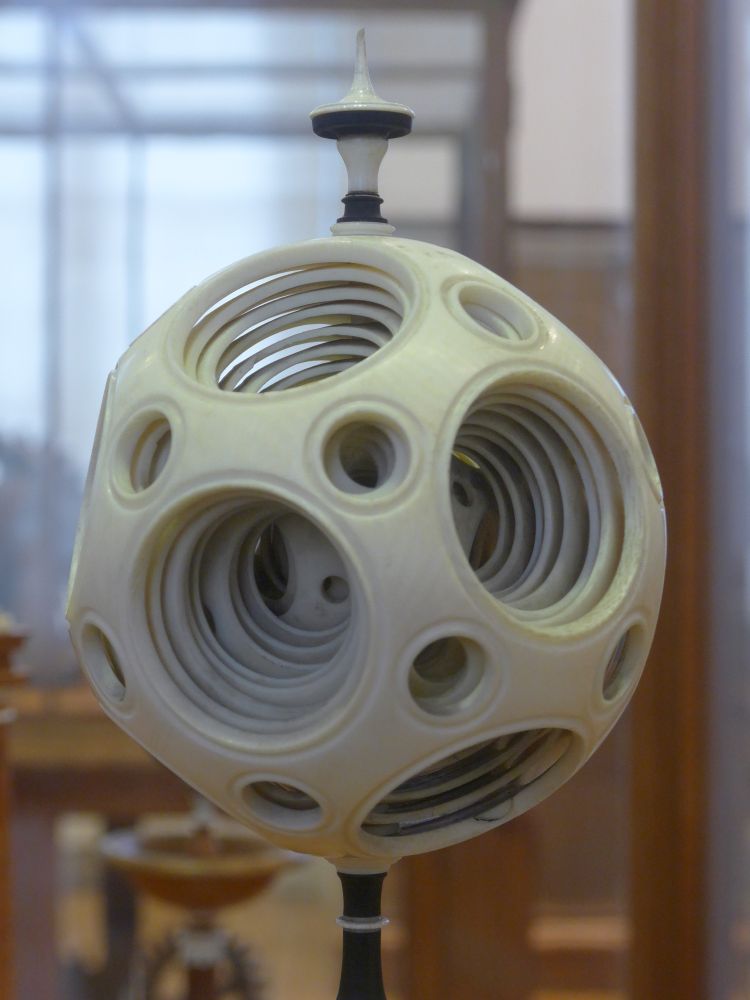
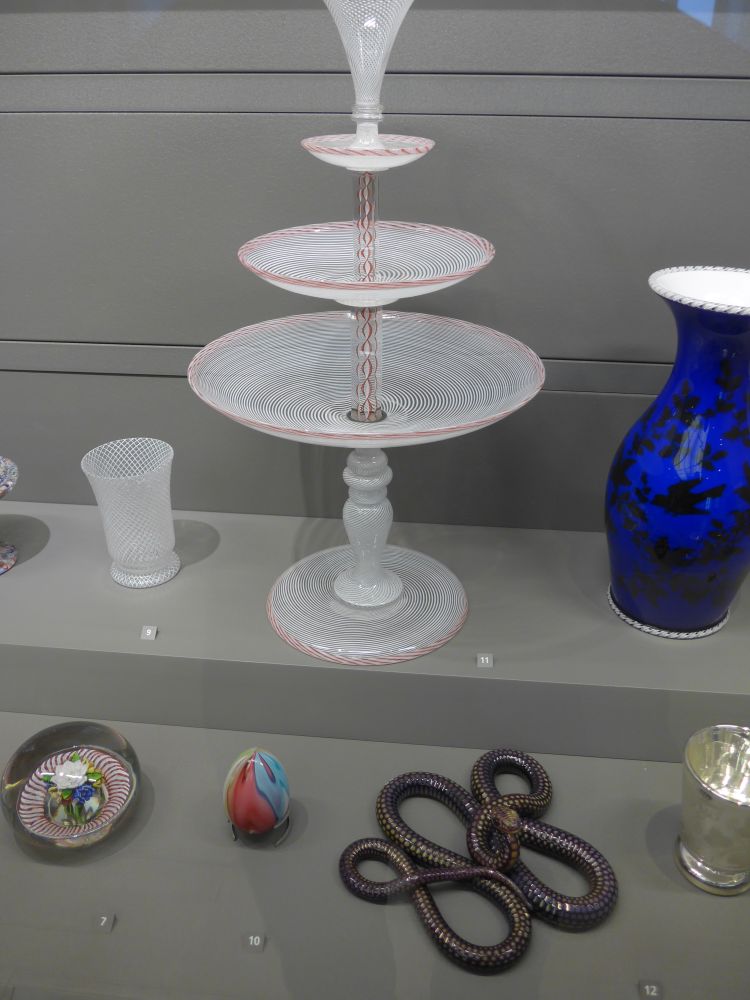
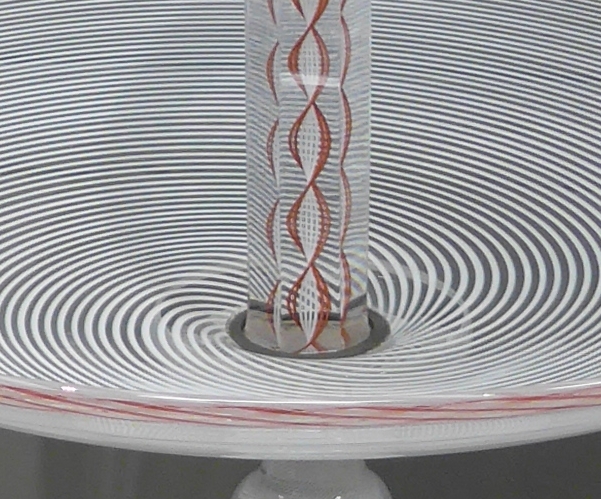
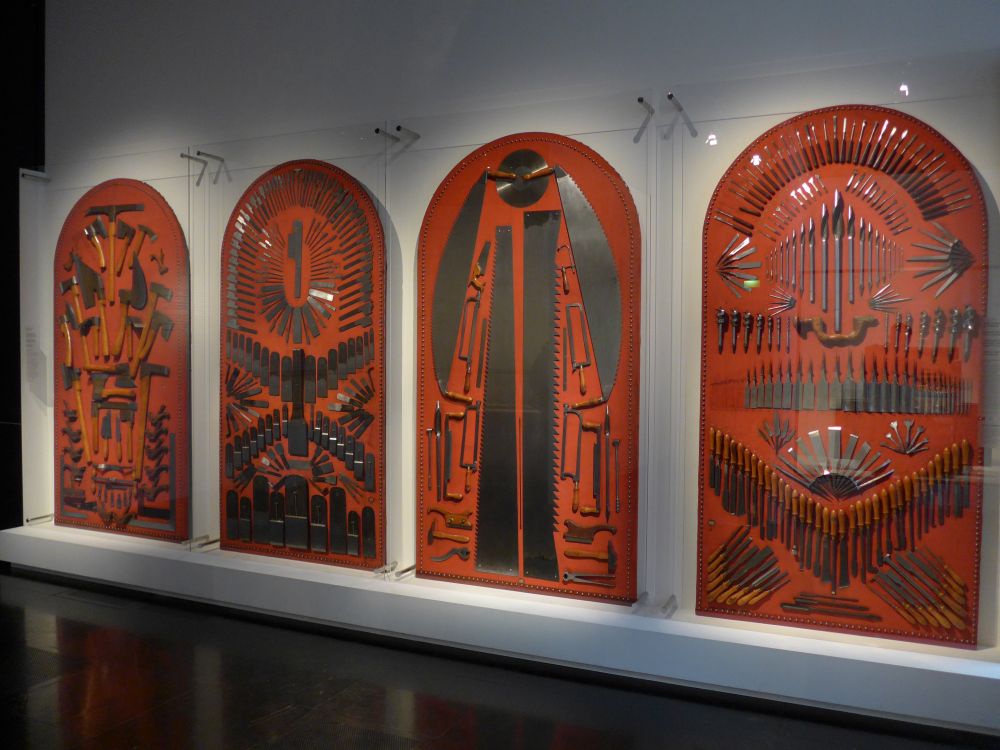
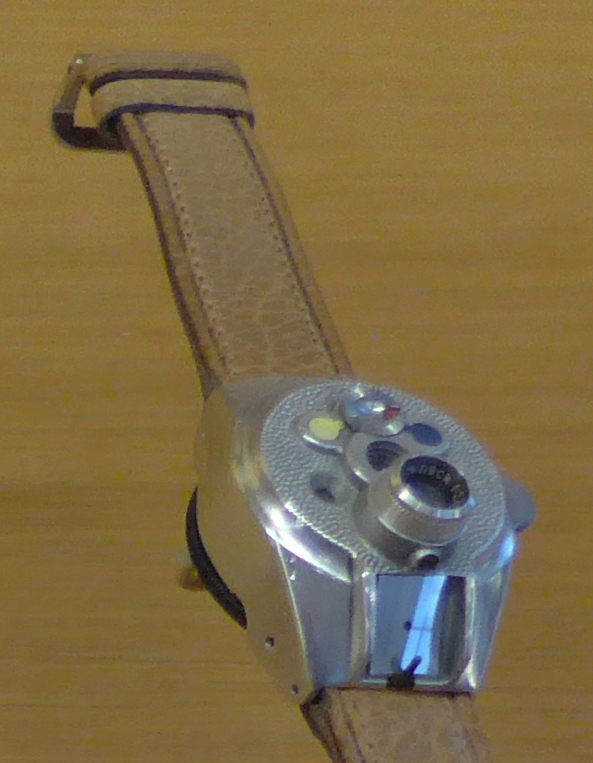
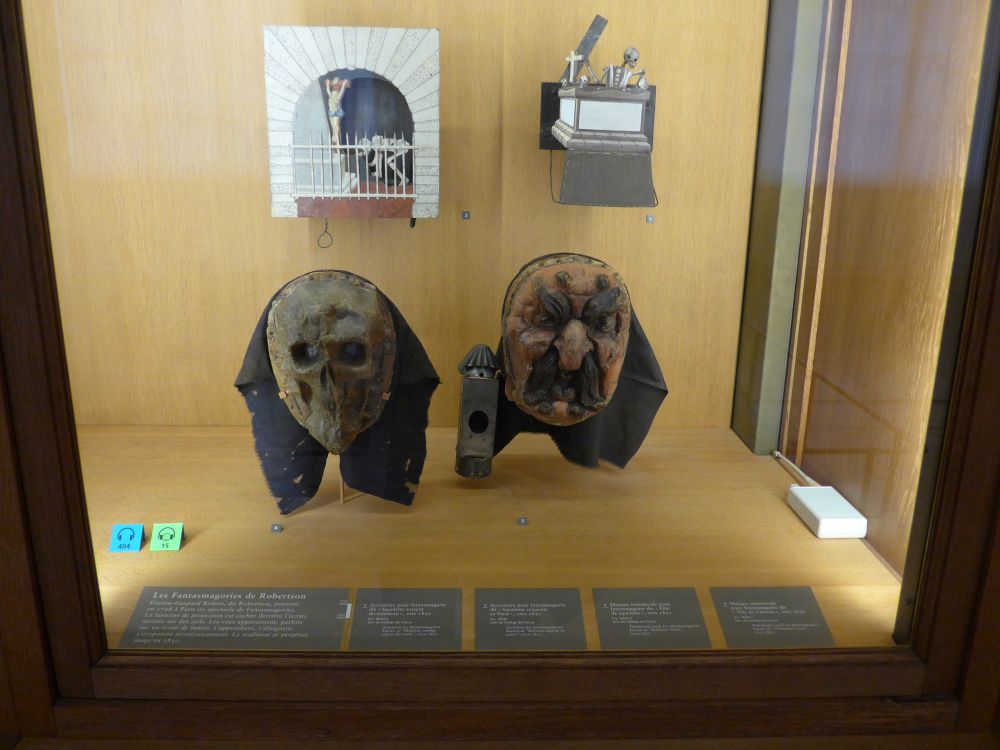
Continue reading “Paris – Museum of Trades and Industrial Arts”
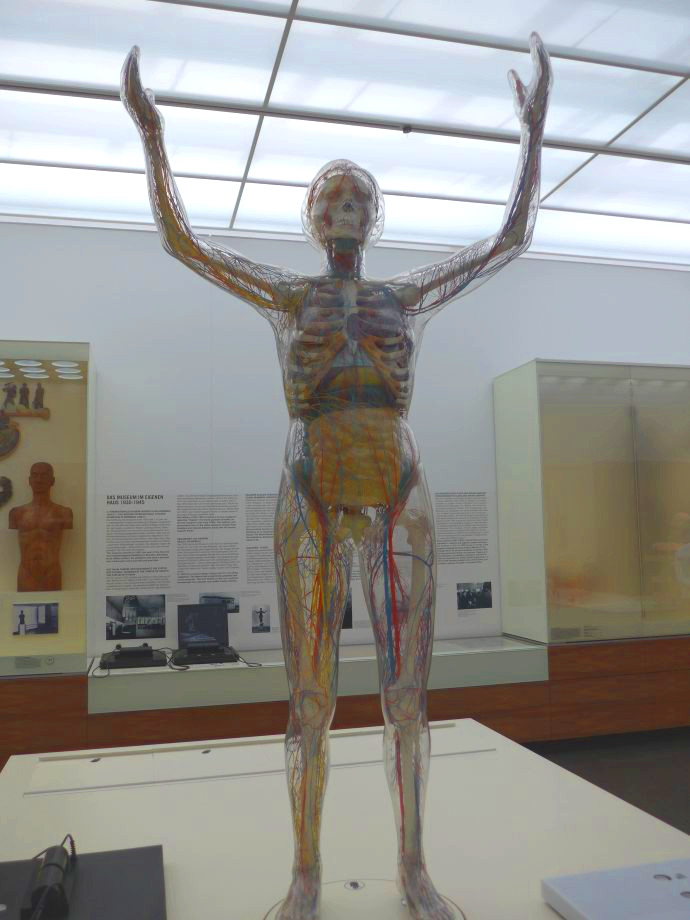
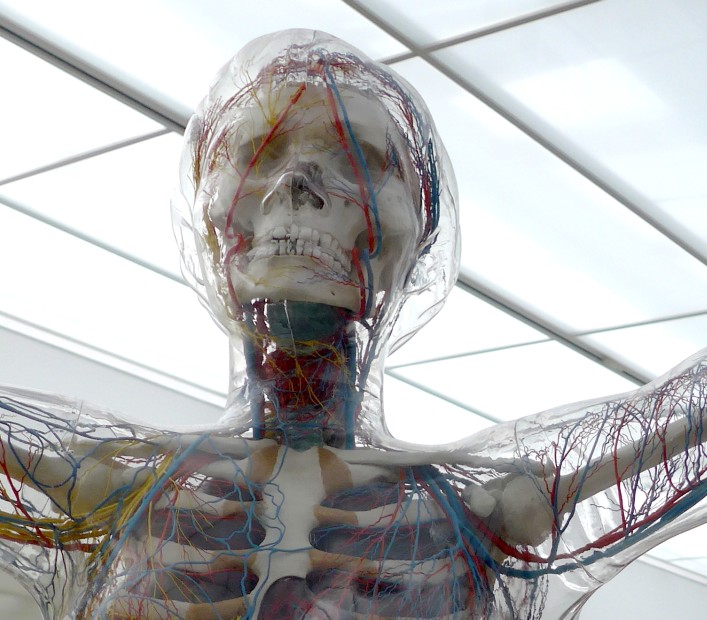
I finally solved the thirty-year-running mystery of whatever happened to the life-size illuminated transparent woman model in the St. Louis Museum of Science and Natural History after it closed in 1988. When it reopened as a new hands-on discovery center a few years later – with the history, charm and occasional mystery sanitized away, as in most science museums since the 1980s – the Transparent Woman was gone.