Inside the St. Louis Art Museum looking out from the new wing onto the original building. Black and orange rectangles are a Frank Stella and a Barnett Newman reflected in the window. White ramp is outdoors in front of the old building.
Japanese print from 1873 depicting the moment when the Frenchman Josué Heilmann, inventor of he cotton-combing machine, was inspired by watching his daughter’s hair being combed, from the series “Biographies of Great People of the Occident”.
Coup de cœur means “a delightful special thing you’ll fall in love with” or “personal favorite” as I’ve mentioned elsewhere and I’m using the term half-ironically because the French use it so much. They’re crazy about it. You can’t go five minutes in France without seeing it, at least in print; I think not really in everyday speech. But these really are some of my coups de cœur.
Subway poster for exhibition “Baudelaire: Melancholic Modernity”
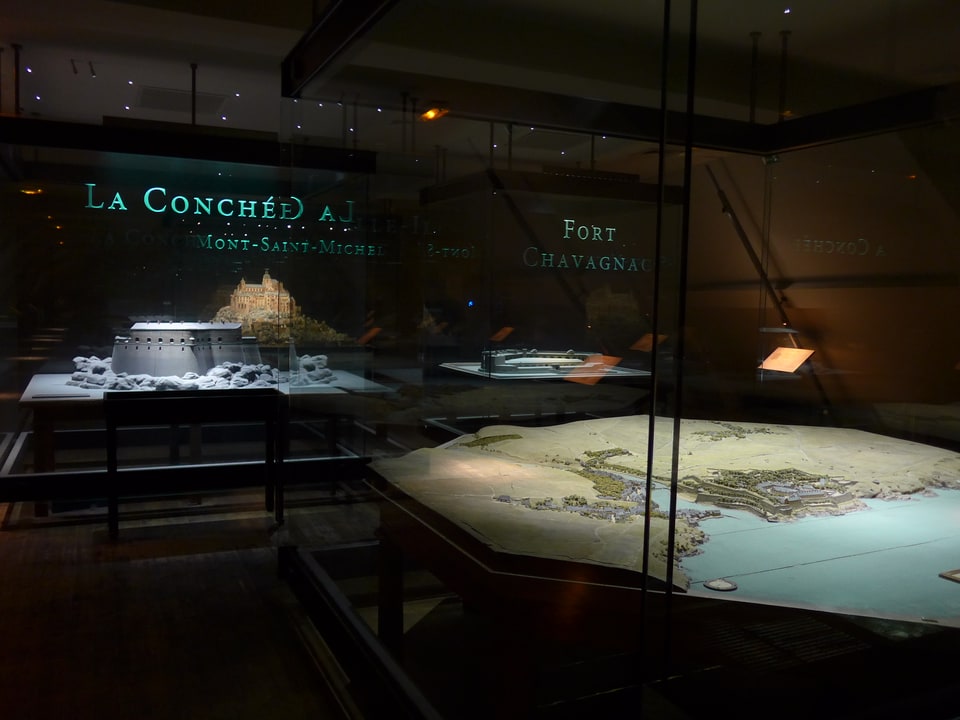
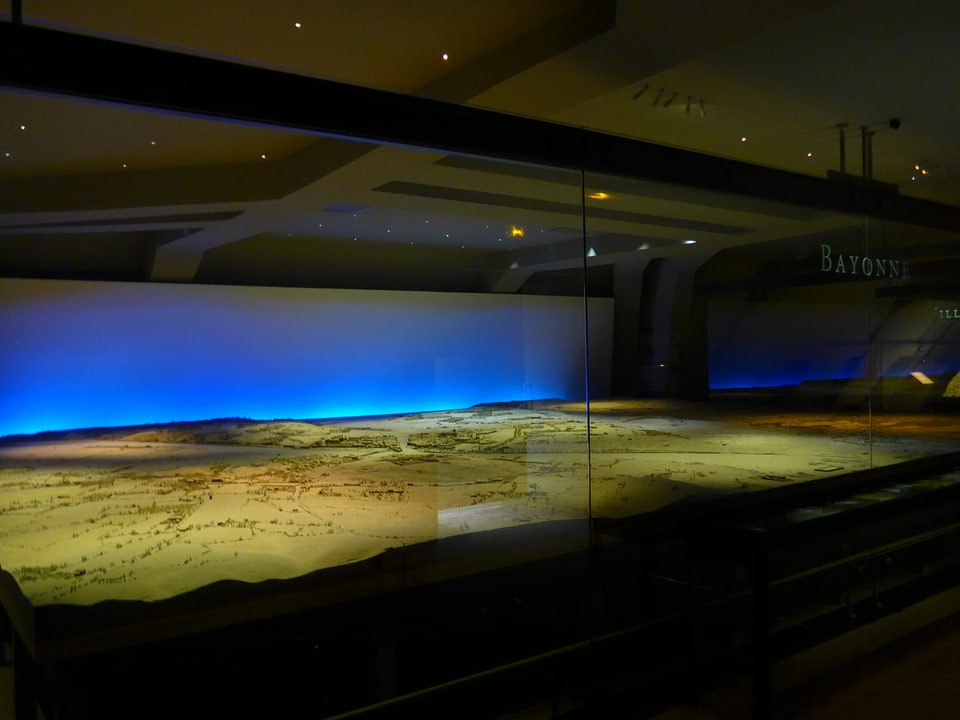
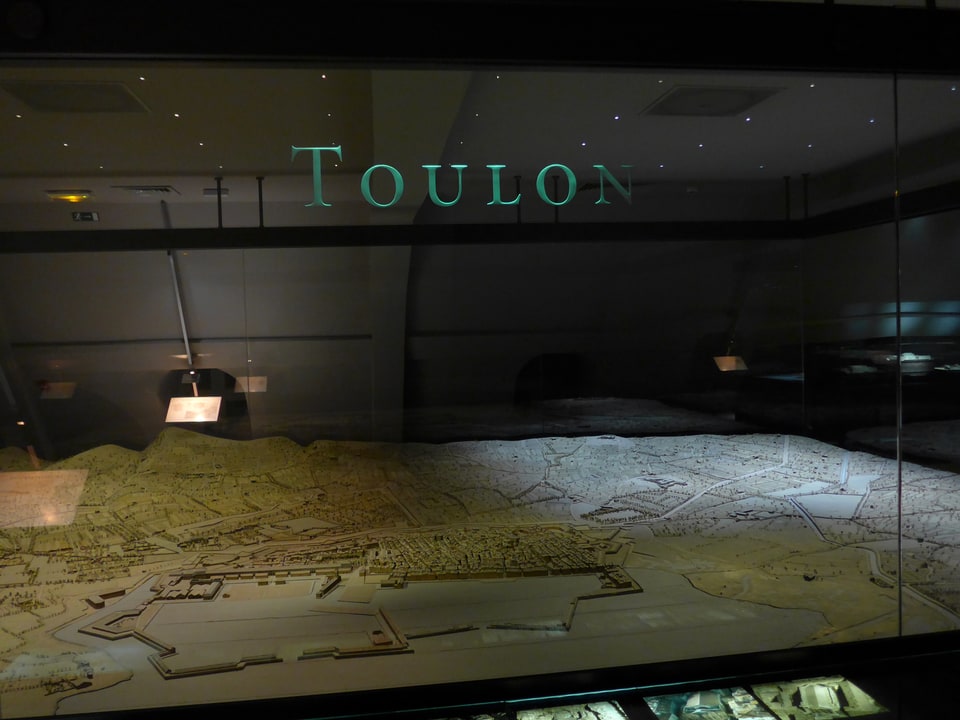
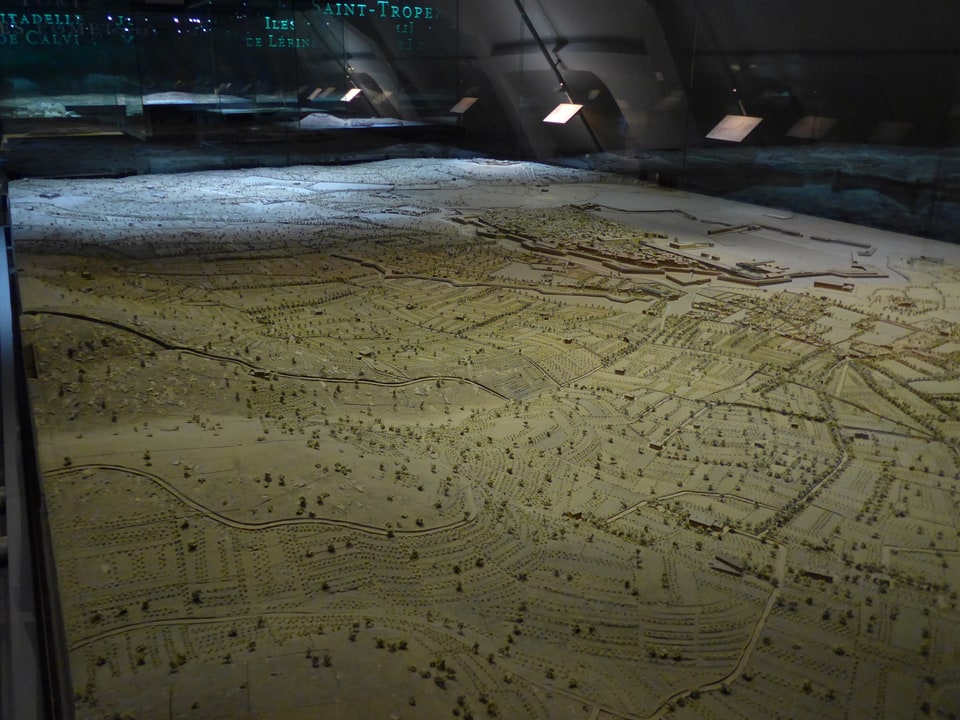
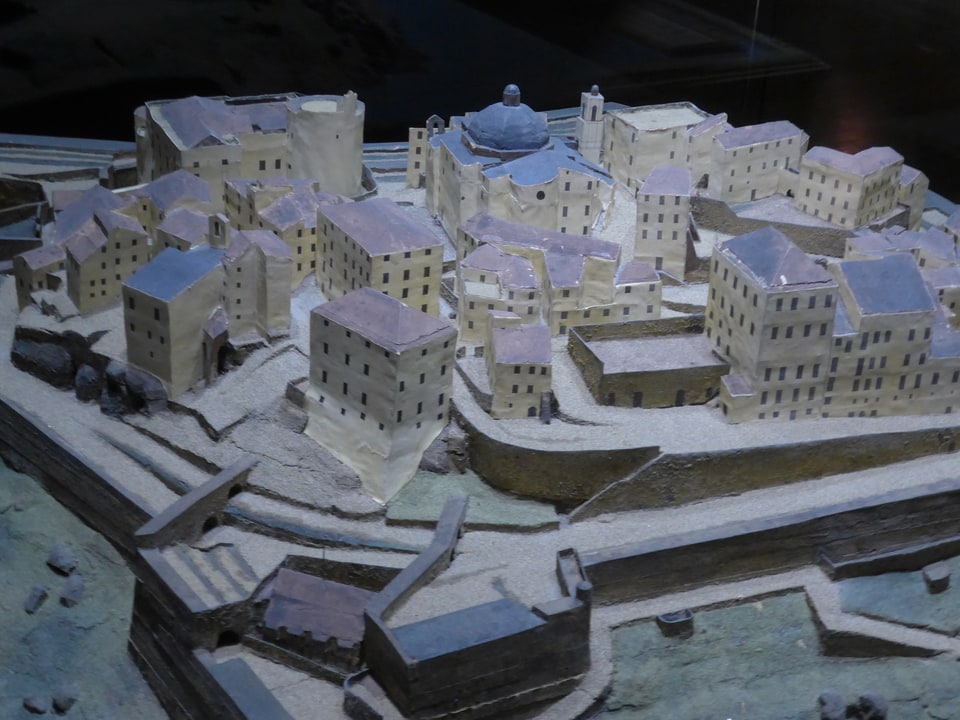
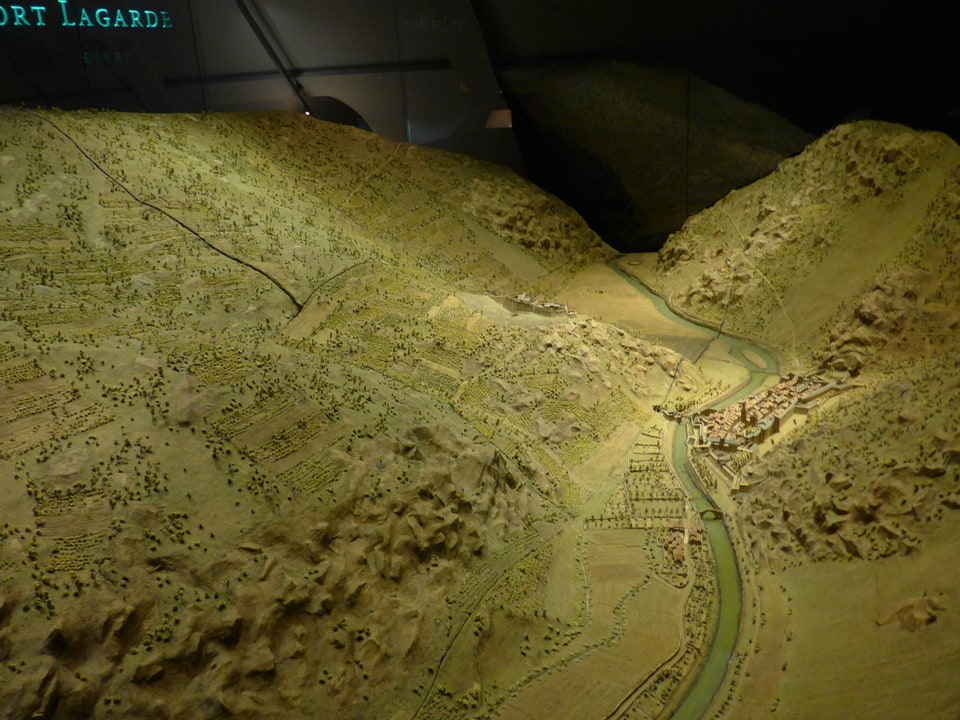
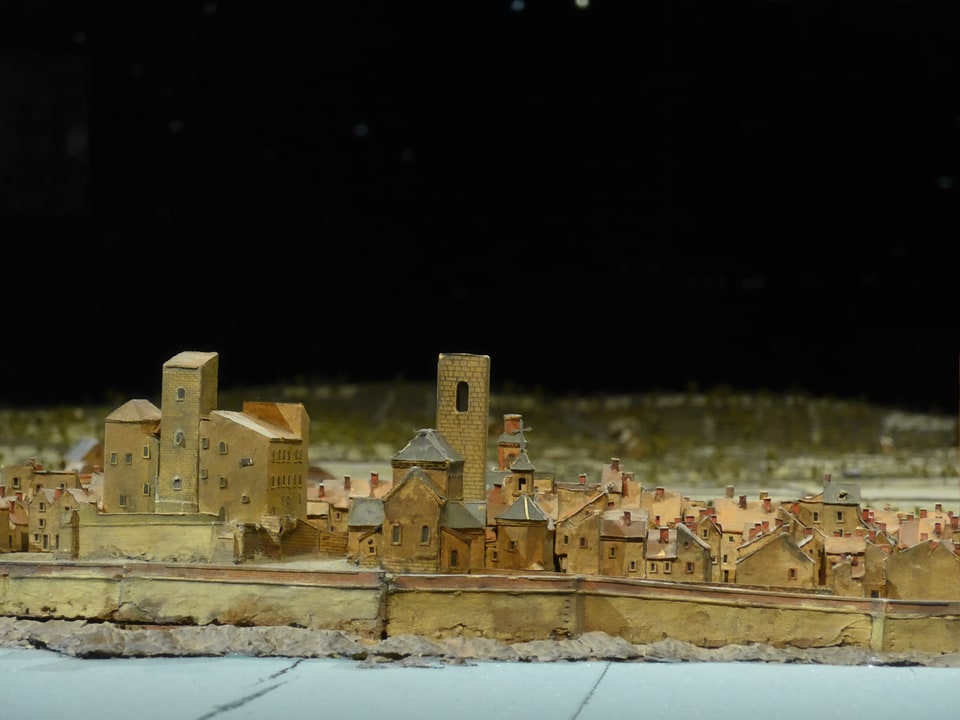
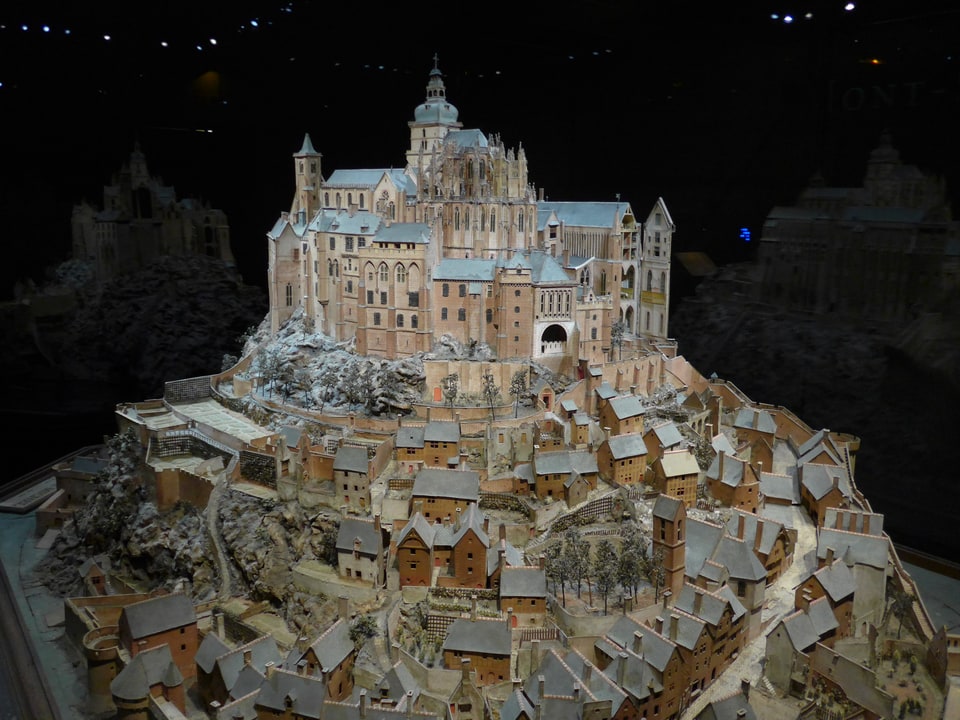
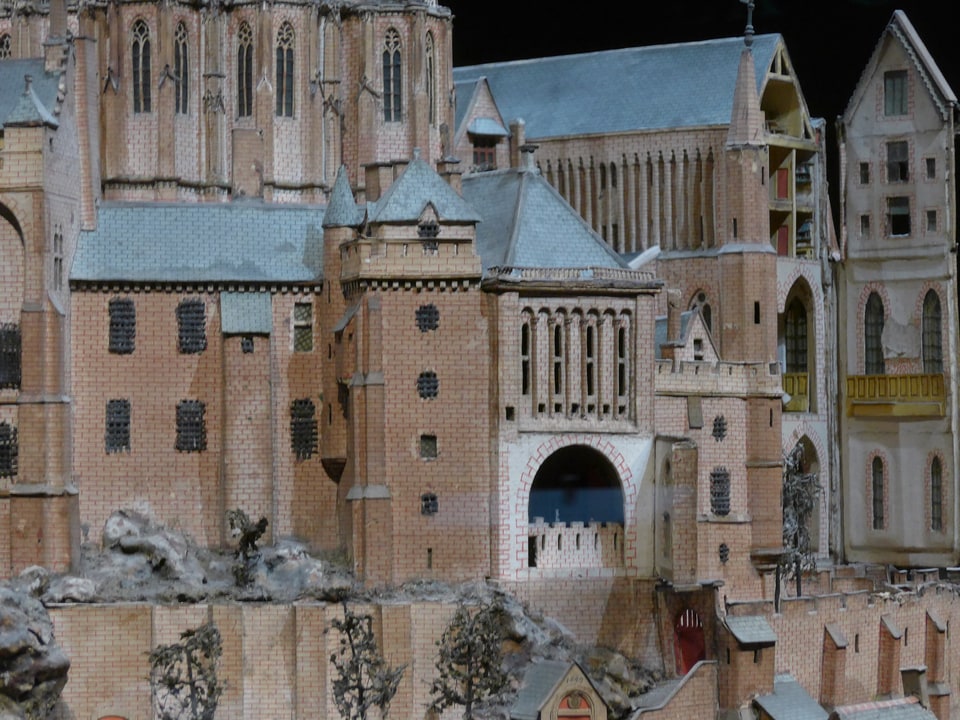
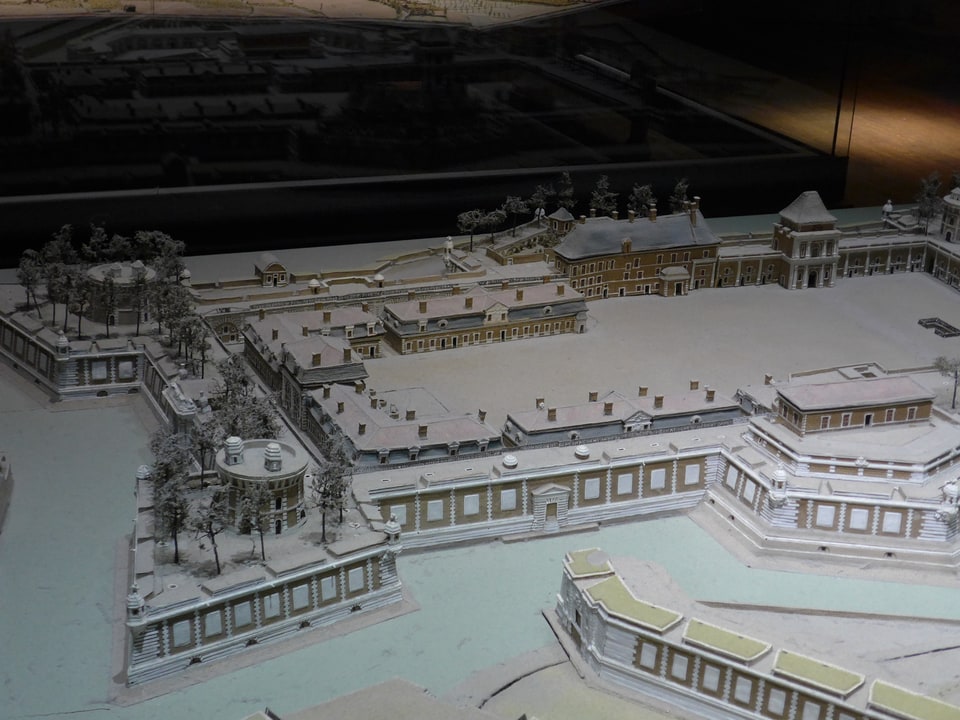
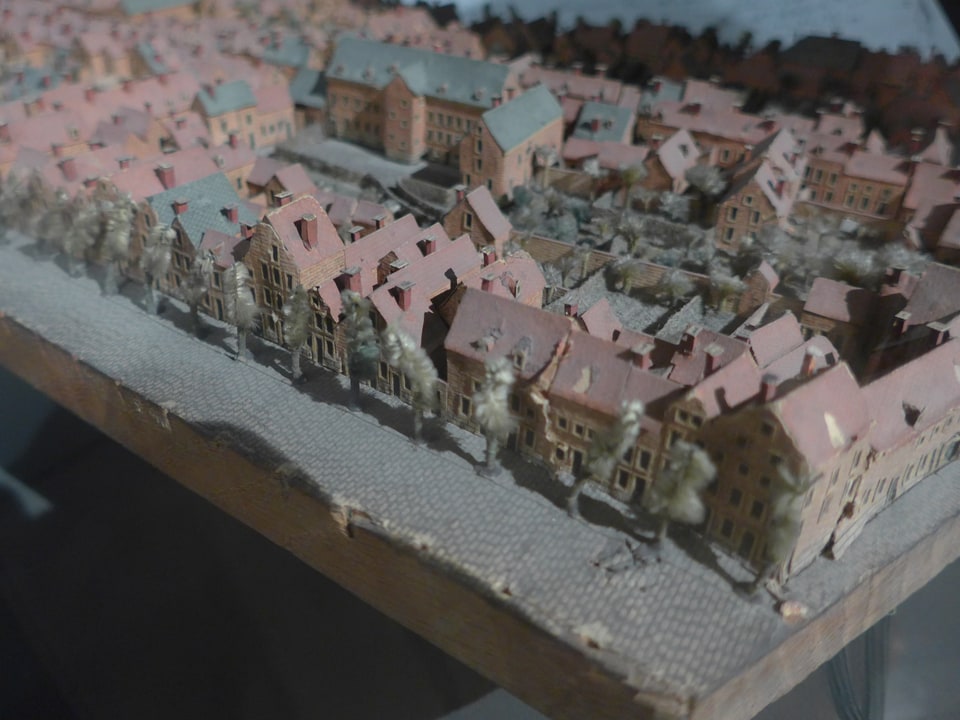
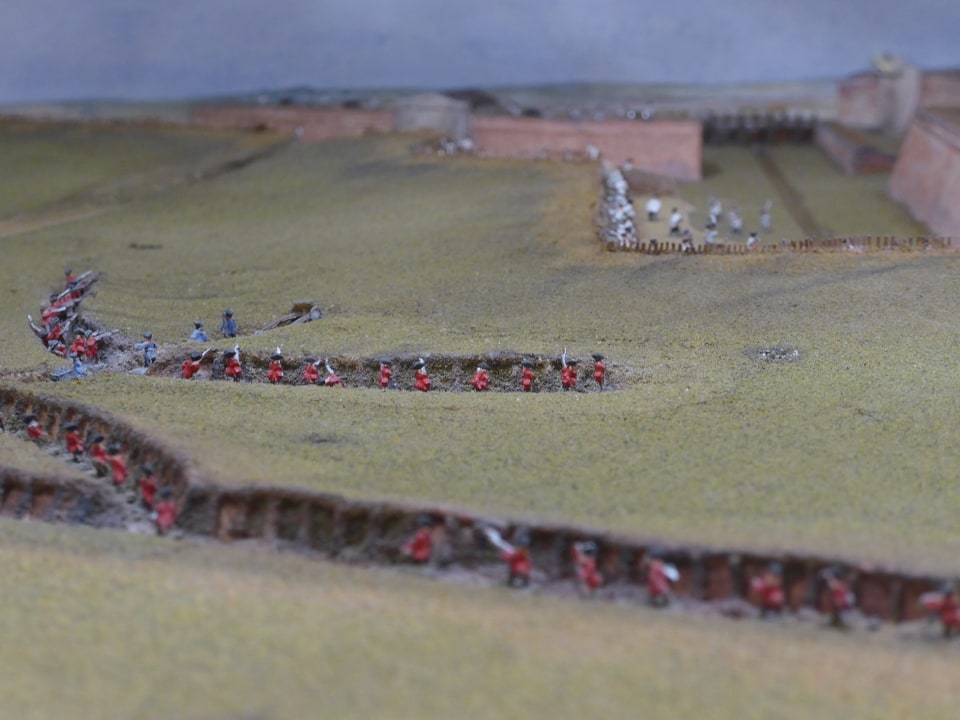
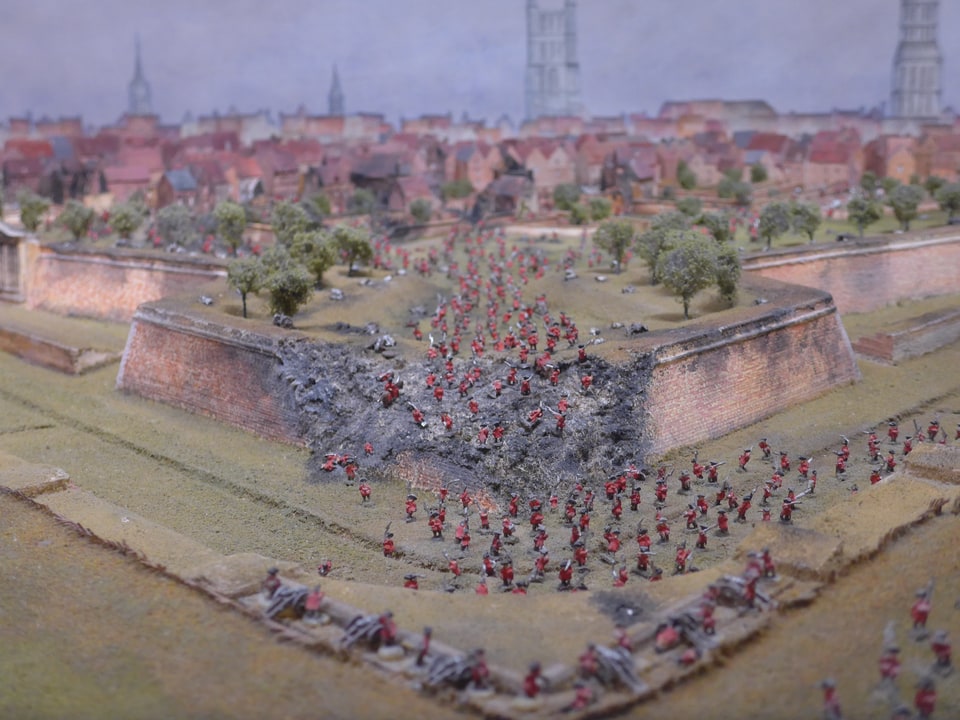
The Relief Map Museum (Musée des Plans-Reliefs) in Paris is one of my favorite sights anywhere. It has about 30 big, meticulously detailed scale models of towns, ports and forts and their surrounding landscapes. The models were built for military planning purposes from the 1670s to the 1870s.
In another room they show how they made the models, for example, grass and foliage were made of silk fibers trimmed into tiny bits using this device.
These are photos of protests in St. Louis for racial equality (1930) and voting rights for women (1920) from a spectacular exhibition of panoramas at the Missouri History Museum.
Incredibly, the roughly 5-by-30 foot photos are enlargments of the originals which are only about 8 by 50 inches and were also on display – yet they’re sharp enough that you can see individual hairs and the texture of the clothing fabrics. I believe they don’t make cameras any more that can obtain such high resolution except for the most sophisticated professional equipment used in science, the military or aerial photos on Google Maps.
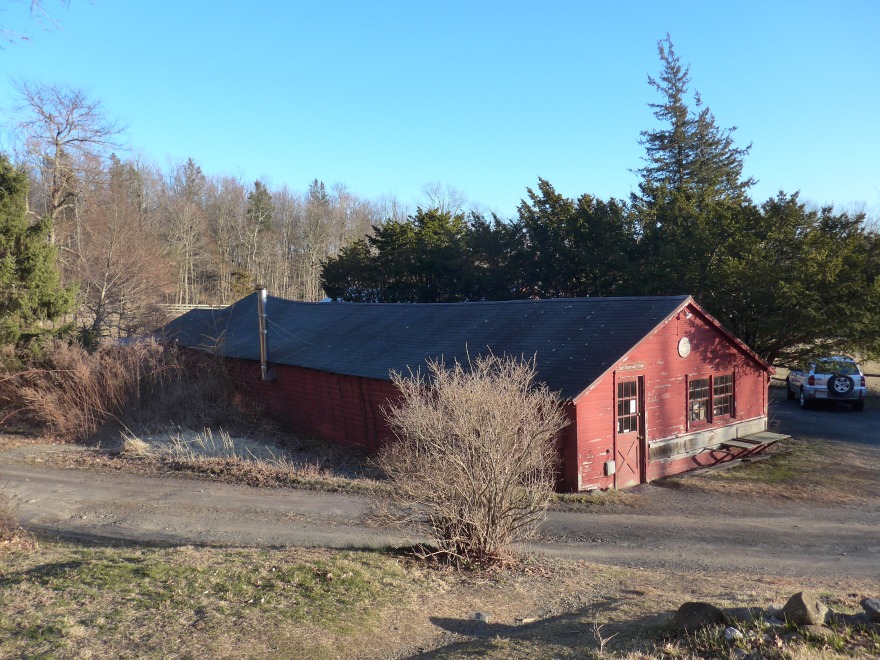
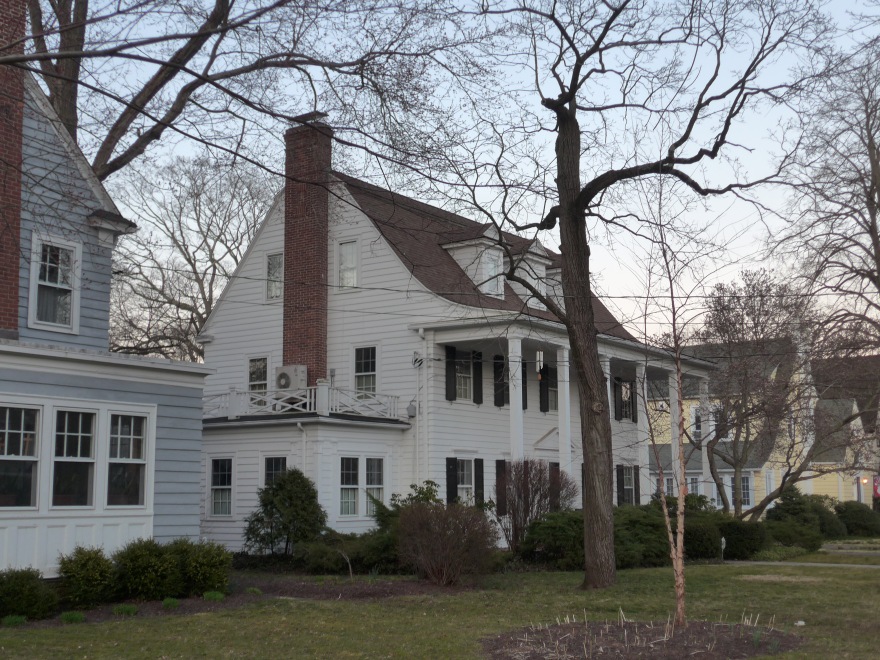
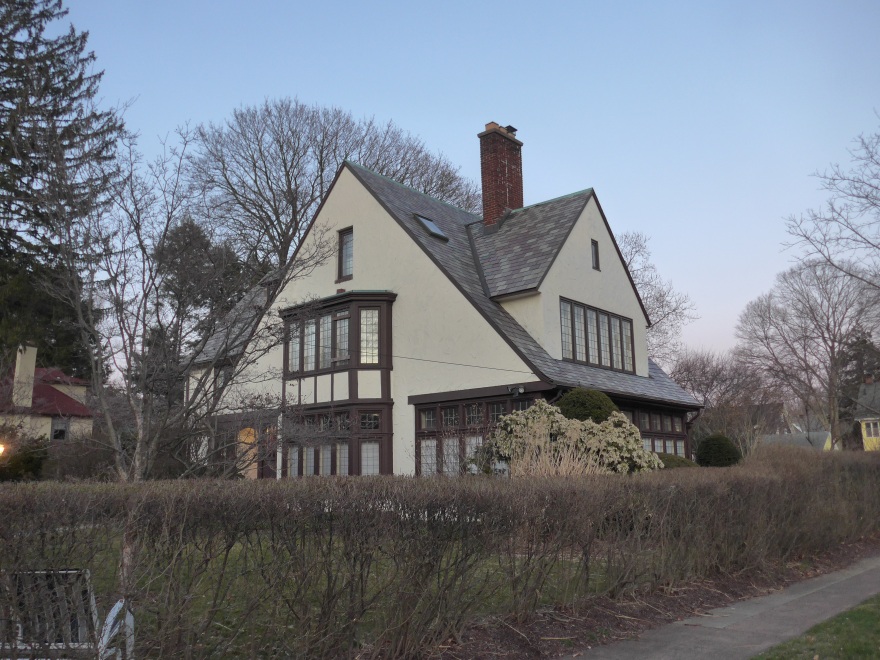
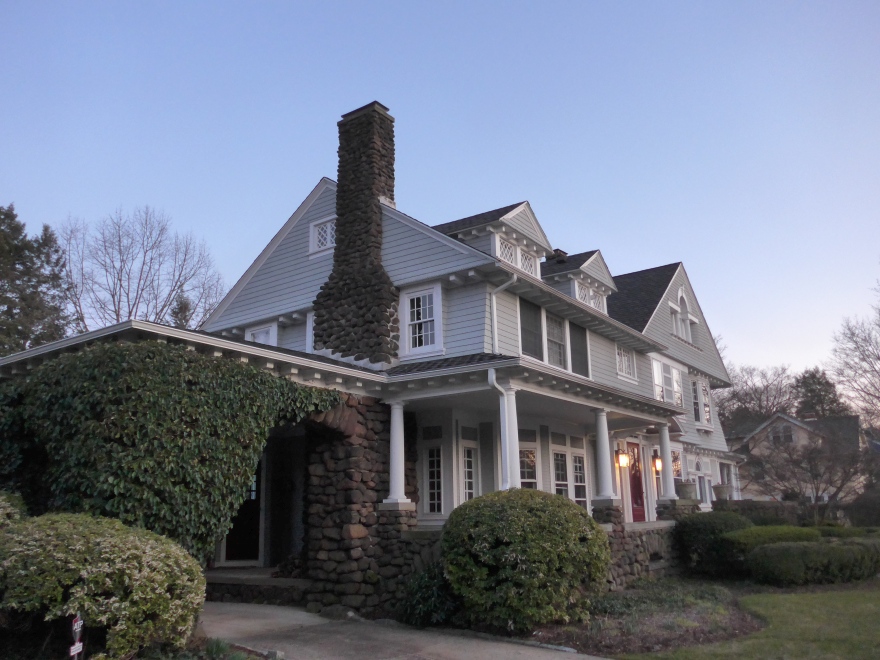
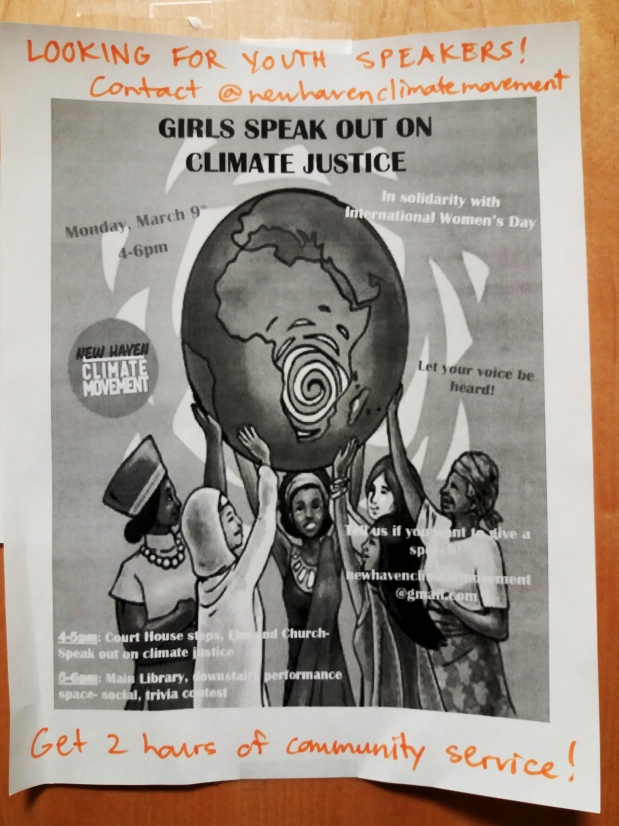
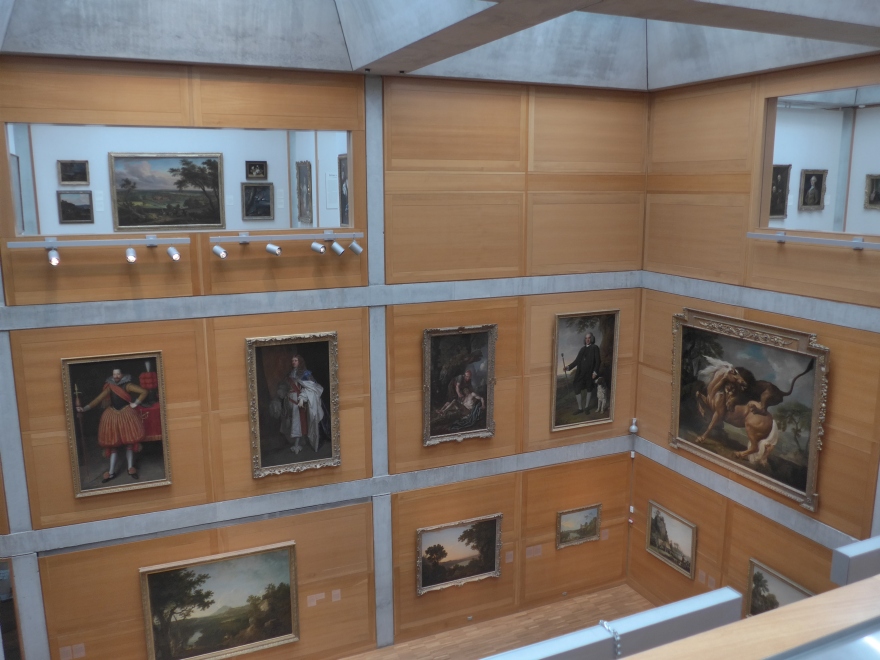
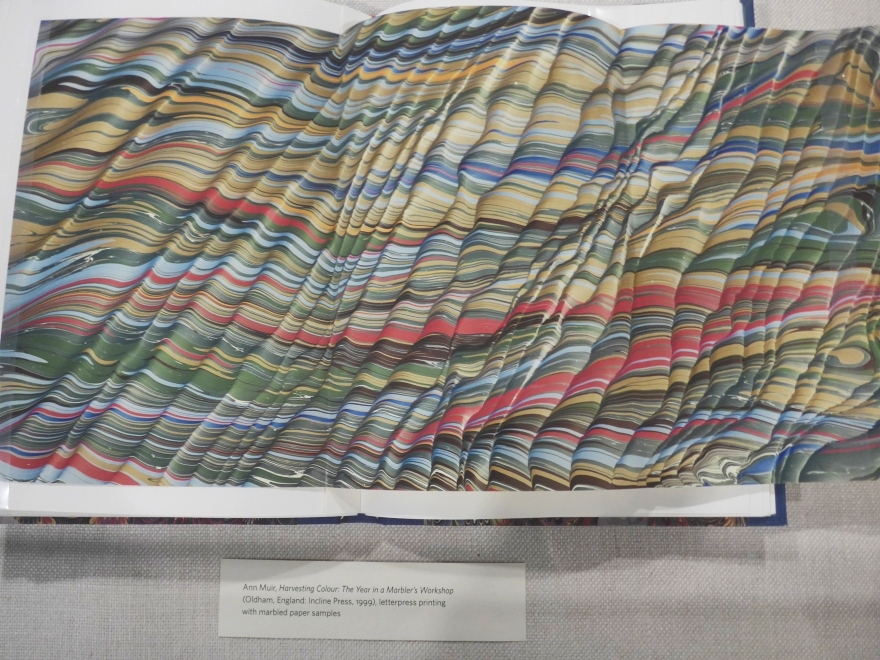
We were in New Haven and rural New England just before Covid hit. Everything was gorgeous. The food was great and there was lots of agrodiversity and local produce and small producers even in the smallest towns, things that you essentially can’t get, by the way, here in Berlin where I live. Hard as it may be to believe, they somehow have only barely started getting the memo on eating local. The pictures may look a little gloomy because this was “mud season”, the time in March after the beautiful snow has melted and before spring has started. The trees are bare, mud is everywhere, and many sights, shops and restaurants are closed or have reduced hours. They even advise tourists to avoid March but we had a wonderful time.
Pictures of the excellent Yiddish Book Center in Amherst are here.
New Haven
Whitlock’s Book Barn, my favorite book store in the world
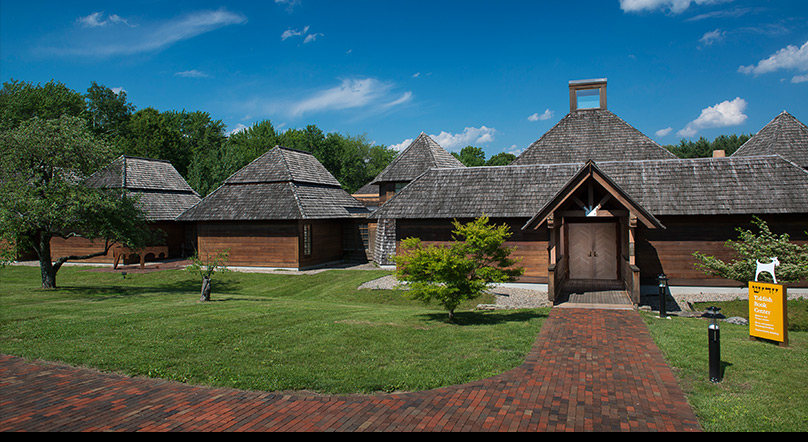
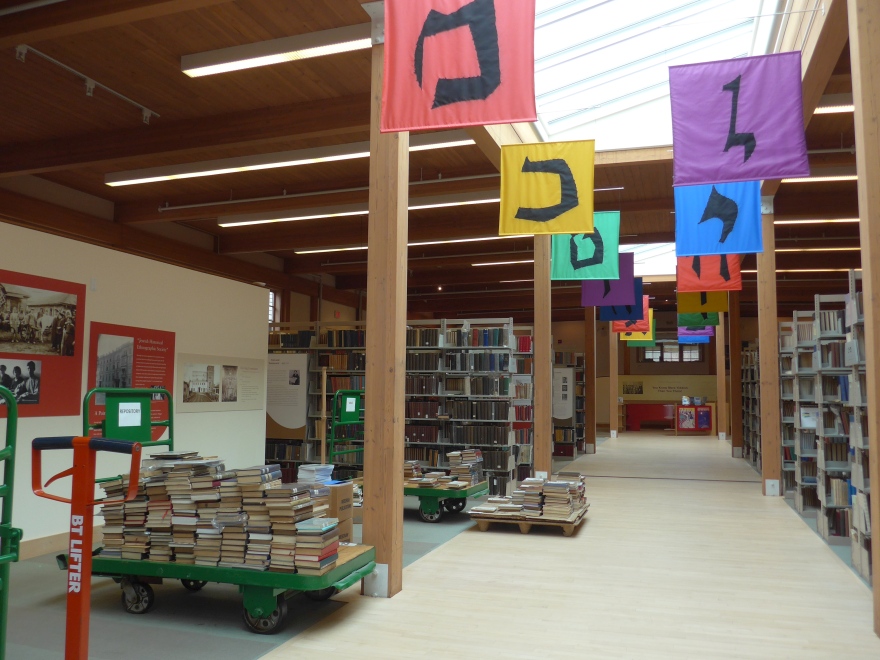
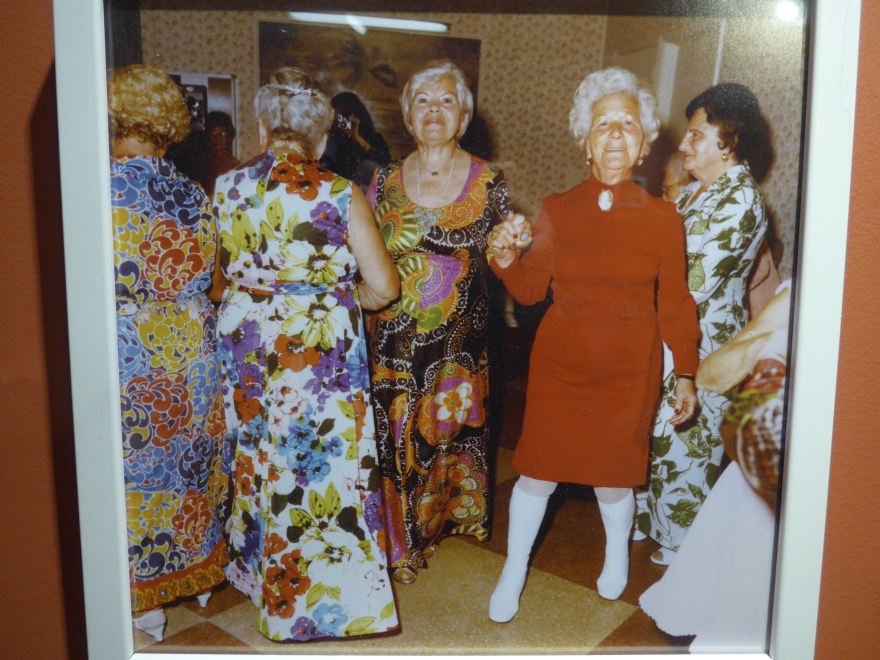
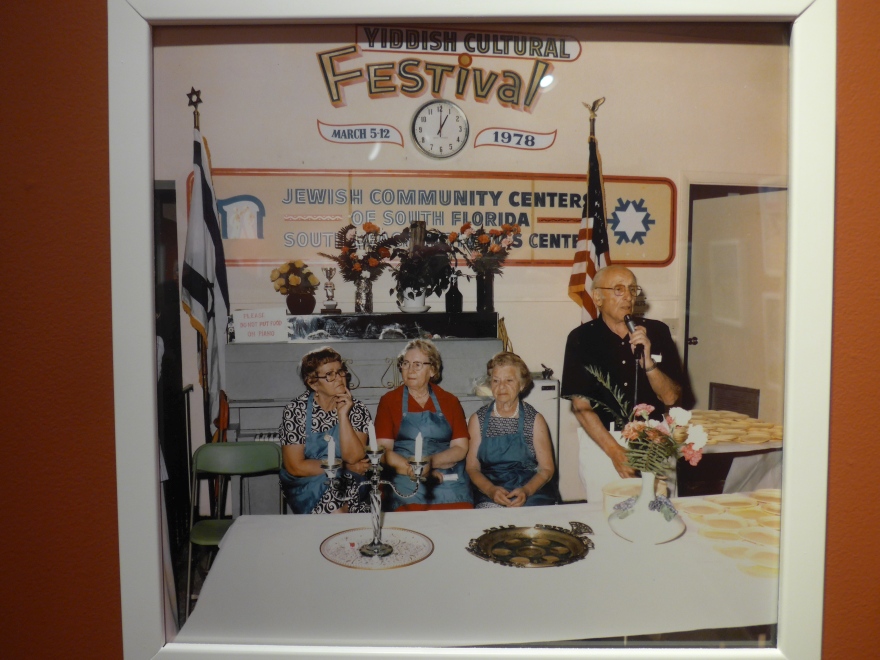
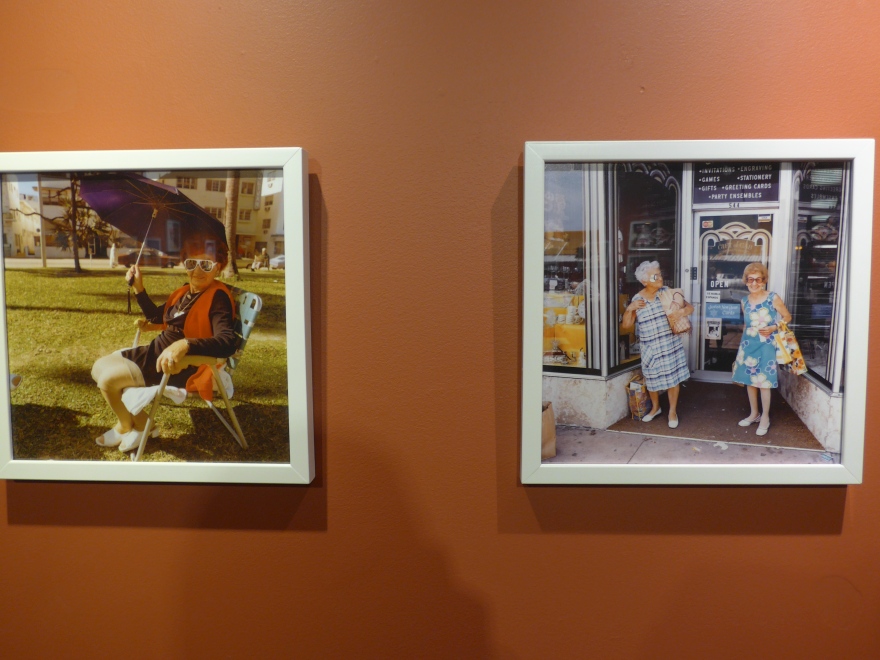
This is the Yiddish Book Center which lies four hours north of New York City in Amherst, Massachusetts, adjacent to Hampshire College. It’s really great and you should visit. It’s an archives, museum, and cultural center housed in a gorgeous new building recalling a rural eastern European village. A big draw for me was Shtetl in the Sun: South Beach, Miami 1977-1980, an exhibition of photographs of Jewish retirees.
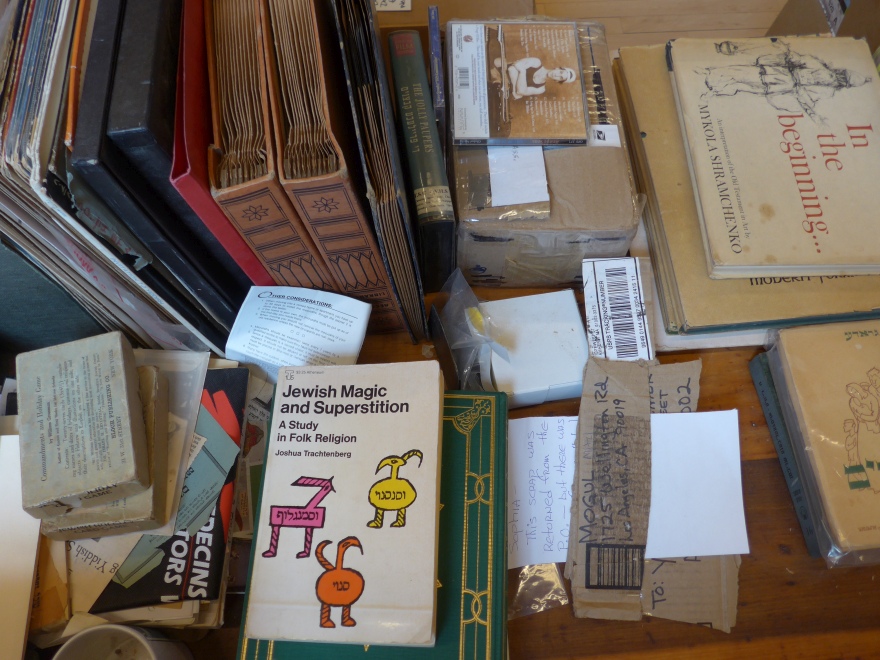
Some of the archiving is done right out in the open and you can walk right up to the desks!
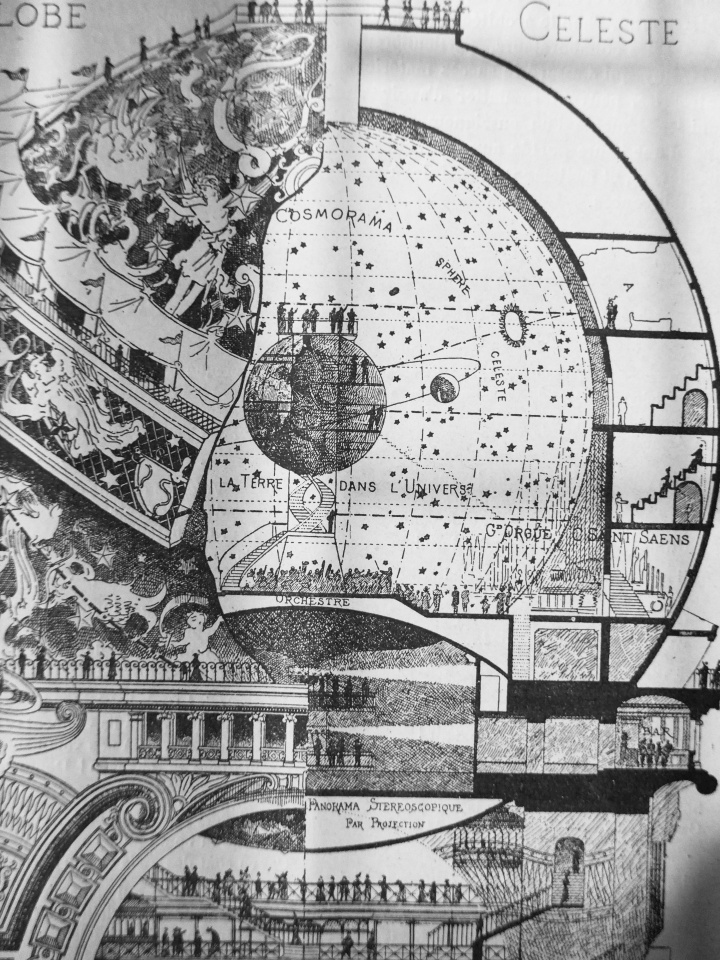
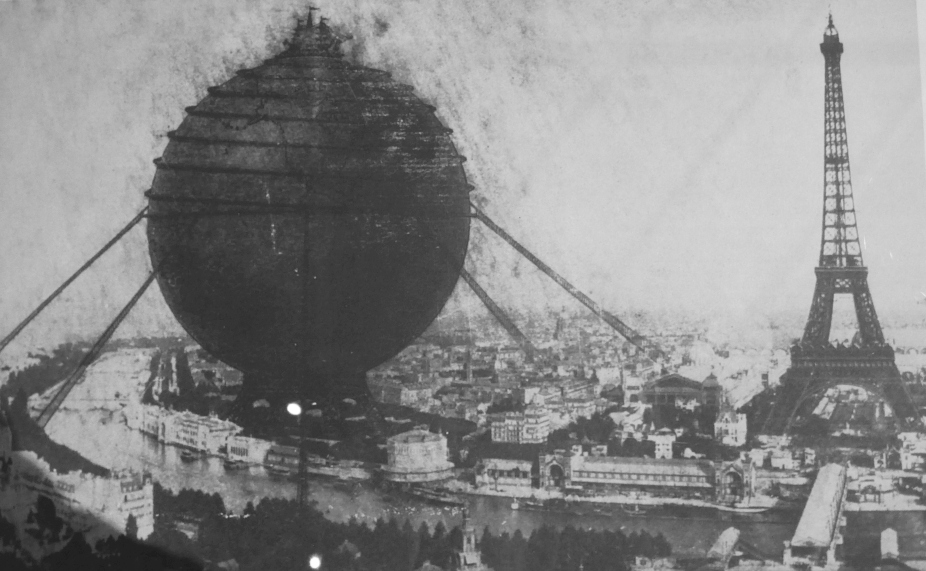
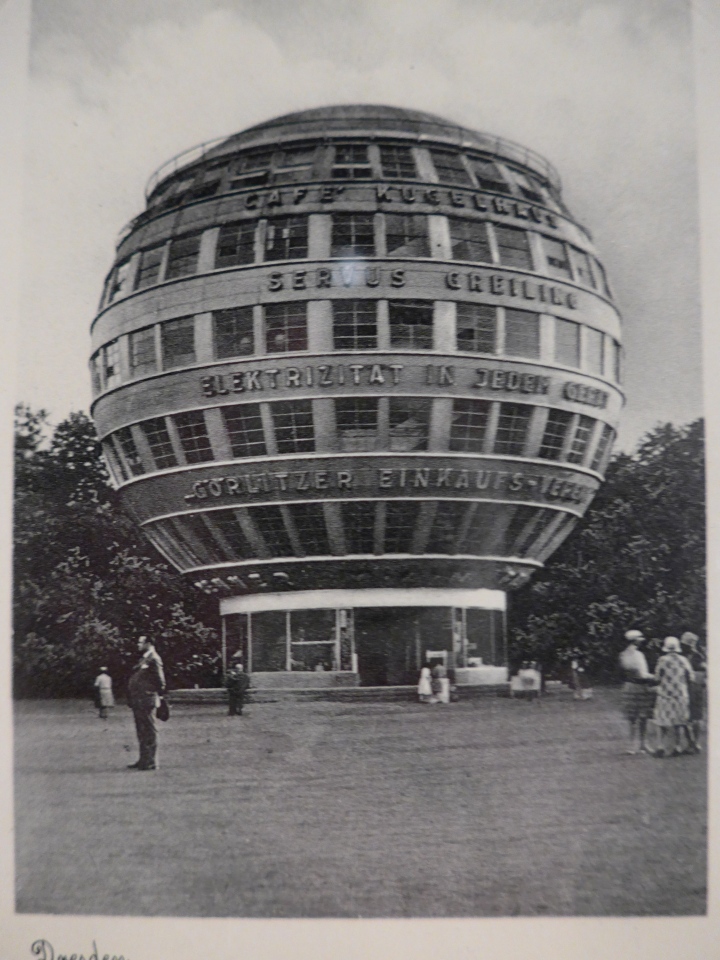
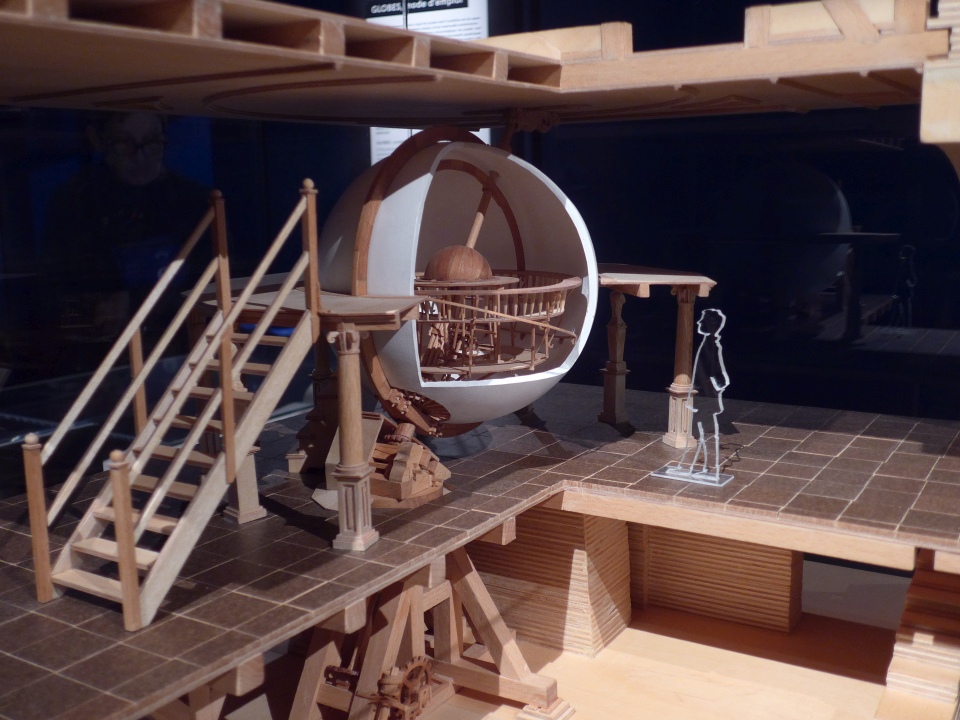
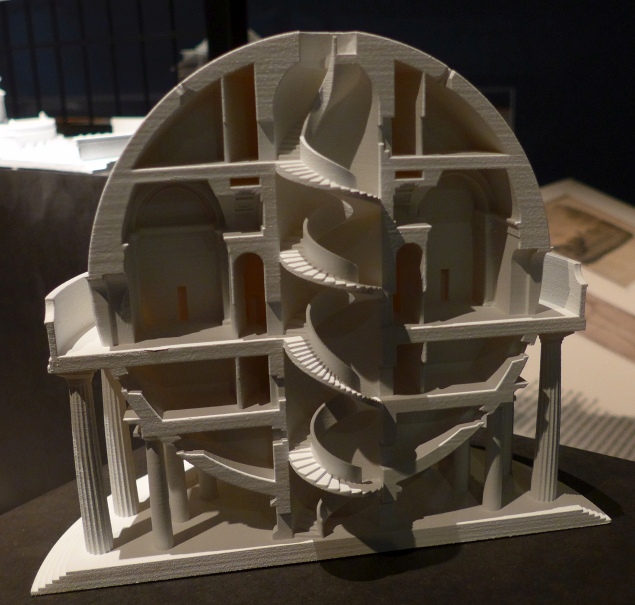
This was an exhibit on globe-shaped and globe-inspired buildings since 1700, some actually built and some just proposed, at a museum called Cité de l’Architecture (click to enlarge)
Pavilion at World’s Fair in Paris, 1900
This was built in Dresden in 1930 and destroyed in WWII